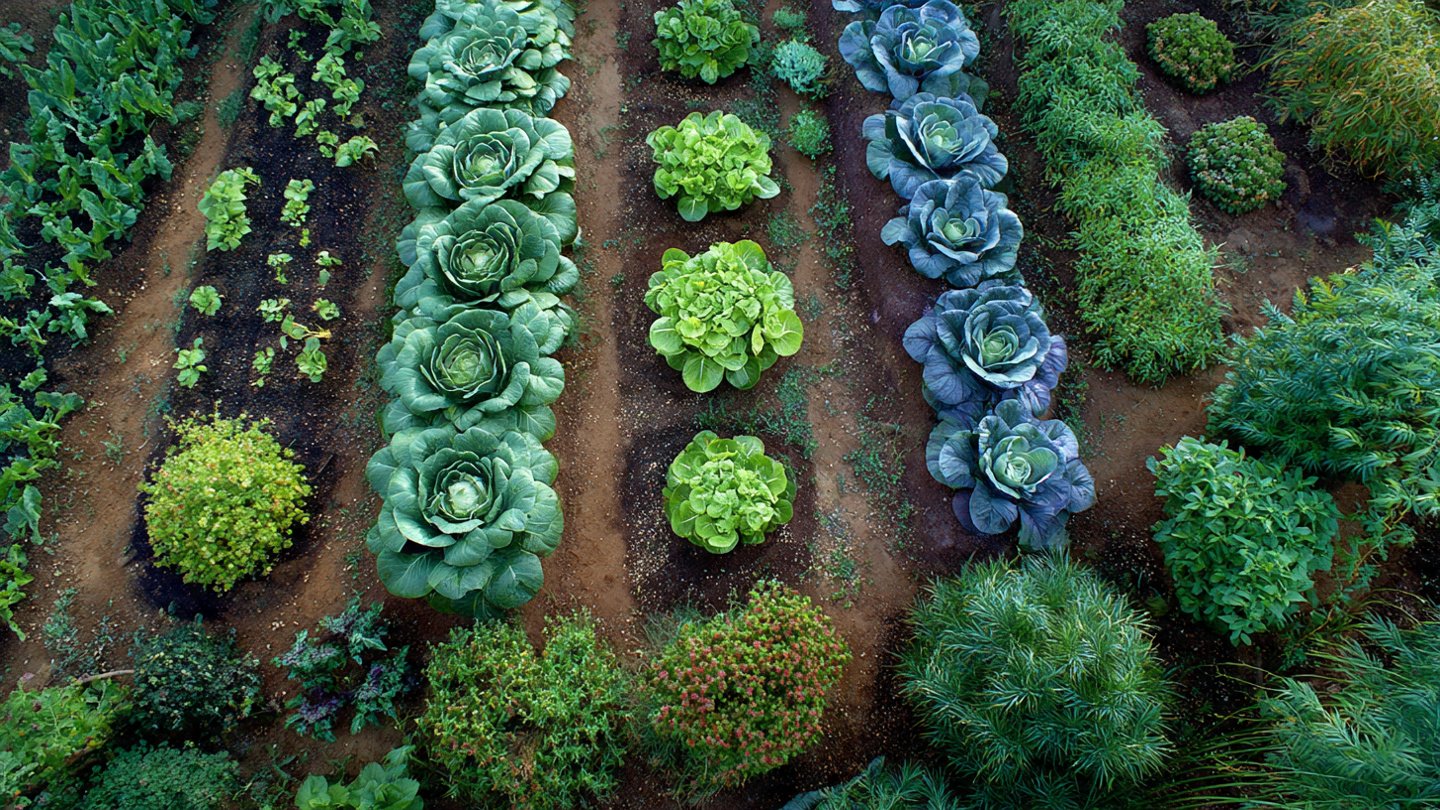
Crop rotation is one of the most effective practices for maintaining soil health and maximizing vegetable yield in a garden. This agricultural technique involves changing the types of crops grown in specific areas of the garden each year. But how can proper yearly crop rotation genuinely transform your vegetable garden? In this article, we will explore the advantages, methods, and underlying principles of crop rotation.
The Importance of Crop Rotation
With continuous planting of the same crops in the same soil, nutrient depletion, pest infestations, and weed problems can arise, leading to diminished quality and quantity in yield. Crop rotation can combat these issues in several key ways:
1. Soil Nutrient Management
Every type of vegetable has its nutrient requirements. For instance, heavy feeders like tomatoes and corn extract substantial amounts of nutrients from the soil, whereas legumes such as peas and beans fix nitrogen into the soil, enriching it. By alternating these types of crops, gardeners can prevent nutrient depletion and promote a balanced nutrient profile in the soil over time.
2. Pest and Disease Control
Many pests and diseases are crop-specific. When the same crops are planted year after year, pests such as aphids and diseases like blight can establish themselves permanently in the soil. By rotating crops, these pests and diseases have a harder time finding their preferred hosts, reducing their populations and minimizing the need for chemical treatments.

3. Improved Soil Structure
Different crops have varying root structures, which can improve soil aeration and structure. Deep-rooted plants can break up compacted soil, allowing for better water infiltration and drainage. Shallow-rooted plants can cover the soil surface, preventing erosion and promoting a healthy microbial ecosystem.
4. Increased Biodiversity
Crop rotation encourages a more biodiverse garden ecosystem. Different plants attract various beneficial insects and pollinators, which can improve pollination rates and reduce the occurrence of pest outbreaks. Enhancing biodiversity in the garden creates a more resilient environment capable of withstanding environmental stressors.
Implementing Crop Rotation in Your Garden
To reap the benefits of crop rotation, you’ll need to strategize your planting schedule. Here’s how to approach it.
1. Understand Your Garden Layout
First, familiarize yourself with the layout of your garden and the types of crops you want to grow. Divide your garden into sections or beds that you can rotate easily. Ideally, you should aim for at least three different planting groups based on their nutrient needs.
2. Plan Your Crop Groups

Group your vegetables into categories:
- Heavy Feeders: Tomatoes, corn, peppers, eggplants.
- Light Feeders: Carrots, onions, lettuce.
- Nitrogen Fixers: Beans, peas, clover.
By categorizing your plants this way, you can easily decide which crops to plant in each section of your garden each year.
3. Develop a Rotation Schedule
Create a rotation schedule that follows your planting groups. Each year, move the heavy feeders to the spot that the light feeders occupied the previous year, and so on. A simple three-year rotation plan might look like this:
- Year 1: Plant heavy feeders in section A, light feeders in B, and nitrogen fixers in C.
- Year 2: Move heavy feeders to B, light feeders to C, and nitrogen fixers to A.
- Year 3: Shift heavy feeders to C, light feeders to A, and nitrogen fixers to B.

4. Record and Evaluate
Keep a gardening journal to track your crops’ performance and make note of any pest issues or disease occurrences throughout the year. This will help you improve your rotation schedule over time, allowing you to adapt to your garden’s unique needs.
Common Mistakes to Avoid
While crop rotation offers many benefits, several pitfalls can hinder its effectiveness:
1. Ignoring Soil Fertility
Crop rotation alone will not compensate for poor soil fertility. Regularly amend your soil with organic matter, compost, and soil tests to determine nutrient deficiencies.
2. Failing to Rotate Companion Plants
If you practice companion planting, be mindful that moving certain plants can disrupt beneficial relationships. Research how companion plants interact with each other before rotating.

3. Over-Reliance on Rotation
Rotation should be part of an overall garden strategy that includes practices like cover cropping and mulching. Do not view rotation as a silver bullet for all gardening problems.
Conclusion
Properly implementing yearly crop rotation can be a transformative practice for your vegetable garden. It aids in maintaining soil fertility, controlling pests and diseases, improving soil structure, and enhancing biodiversity. By being proactive in planning and adjusting your crop rotations, you will not only improve your garden’s productivity but also contribute to a healthier and more sustainable gardening environment. In essence, crop rotation is a fundamental component of successful vegetable gardening that pays off in the long term.
FAQs
1. How often should I rotate my crops?
It is generally recommended to rotate your crops annually. Some gardeners use a three- or four-year rotation cycle to allow for even more extensive soil recovery and pest control.
2. Can I rotate crops in a small garden?
Yes! Even in small gardens, you can create designated sections for different plant groups. Consider using vertical gardening techniques or containers to maximize space.

3. What if I have multiple plants in the same family?
It’s best to avoid planting crops from the same plant family in consecutive years to prevent pest and disease buildup. Instead, look for diverse planting options that fit into different nutrient categories.
4. Are there specific tools I need for crop rotation?
While no specialized tools are necessary, maintaining a garden journal or using gardening apps can help track your crop rotations and plan future plantings effectively.
5. How does crop rotation affect organic gardening?
Crop rotation is especially important in organic gardening as it naturally reduces pest populations and disease issues, minimizing the need for synthetic chemicals and promoting soil health.