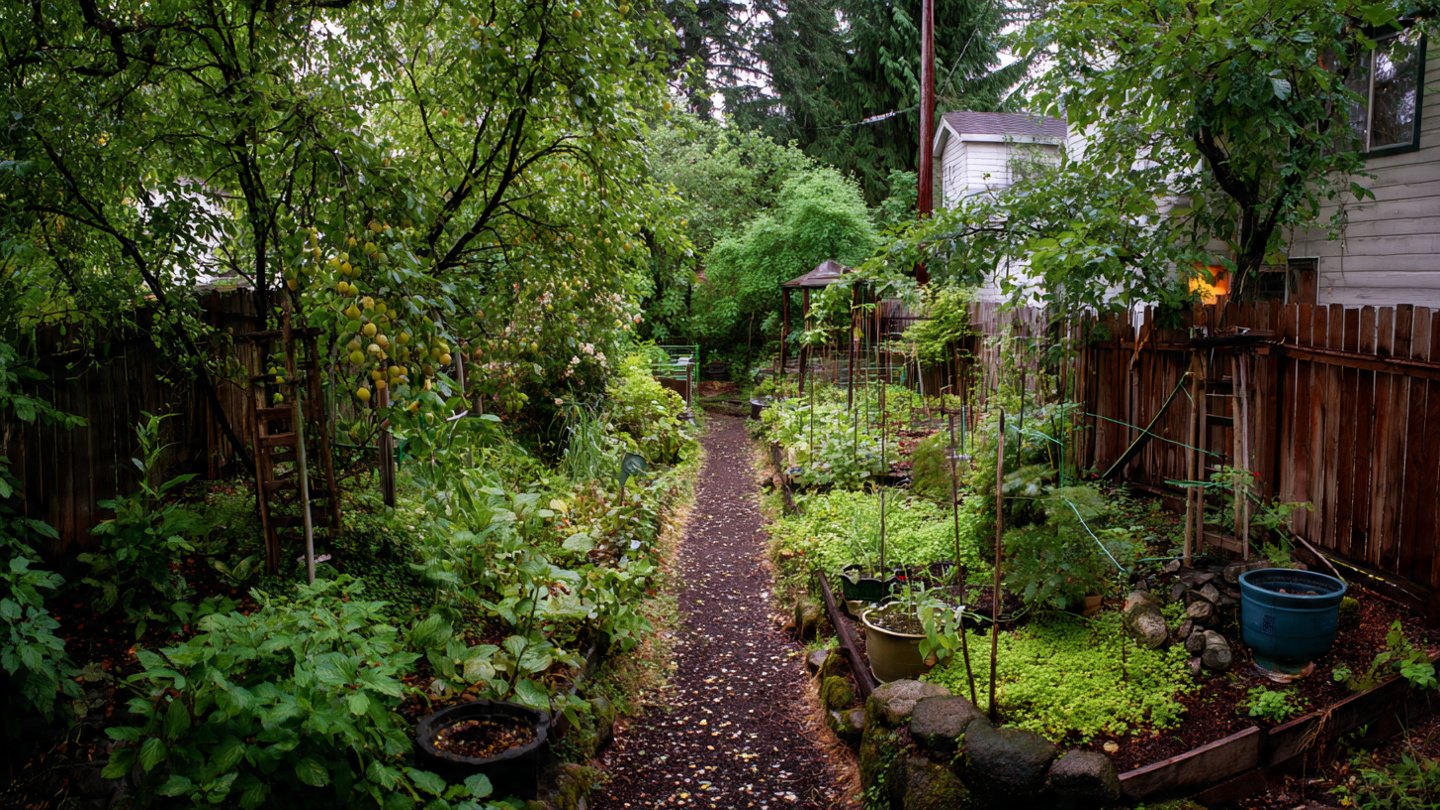
In recent years, there has been a significant shift in the way people approach gardening and land use in suburban areas. More homeowners are choosing to create food forests in their backyards, a trend that reflects deeper societal changes concerning sustainability, self-sufficiency, and a renewed connection to nature. This article explores the multifaceted reasons behind this movement, delves into the benefits, outlines the fundamental principles of food forestry, and reflects on its implications for both individuals and communities.
One of the primary motivations for planting food forests is the growing concern about food security. The COVID-19 pandemic exacerbated vulnerabilities in global supply chains and brought to light how reliant communities are on commercial agriculture. A food forest, which utilizes various layers of vegetation to create a self-sustaining ecosystem, can provide a reliable source of fruits, nuts, and vegetables. By cultivating a food forest, homeowners can reduce their dependence on grocery stores, particularly during uncertain times, thereby ensuring that they have nutritious food available right in their backyards.
Moreover, the rising awareness about the environmental impact of traditional agriculture has driven many individuals to consider alternatives. Industrial farming practices contribute significantly to deforestation, soil depletion, and water pollution. Food forests, in contrast, mimic natural ecosystems and encourage biodiversity. By planting diverse species of trees, shrubs, and herbs, homeowners can help combat soil erosion, improve local microclimates, and attract beneficial insects and wildlife. This regenerative approach to agriculture promotes a balanced ecosystem rather than depleting it, resonating with many environmentally-conscious individuals eager to make a positive impact.
Another compelling reason for choosing to plant food forests is the economic advantage it offers. The initial investment in time and resources may seem daunting; however, over time, a food forest can significantly cut grocery bills. Once established, fruit and nut trees can produce yields for years with minimal maintenance, and perennial plants require less effort than annual crops. This self-sufficiency not only saves money but also promotes resilience in the face of economic fluctuations, allowing families to better manage their grocery expenses.
Additionally, many people are drawn to food forests due to the satisfaction derived from growing their own food. In a world increasingly dominated by technology and fast-paced lifestyles, tending to a food forest provides a therapeutic escape. Gardening has long been associated with mental health benefits, such as reduced stress and anxiety levels. Cultivating a food forest engages individuals with nature, allowing them to experience the joy of harvesting their own produce. This hands-on relationship with food fosters gratitude and mindfulness about what one consumes, transforming the way meals are prepared and appreciated.
Education is another critical aspect of the food forest movement. Many suburban families view the creation of a food forest as an opportunity to teach their children about nutrition, ecology, and sustainable practices. By involving kids in the planting and harvesting process, parents instill valuable life skills and a greater appreciation for the origins of their food. This generational knowledge transfer fosters a sense of responsibility towards the environment and promotes a culture of sustainability that can extend beyond the family.
Community building also plays a significant role in the popularity of food forests. As more people recognize the benefits of planting food forests, grassroots movements and local organizations increasingly promote shared spaces for food production. These communal gardens allow neighbors to collaborate, share resources, and build relationships, creating a sense of belonging and solidarity that strengthens community ties. Such collective efforts can also lead to greater food accessibility, especially in urban areas where access to fresh produce may be limited.
Another factor propelling the food forest movement is the influence of social media. Platforms like Instagram and Pinterest are awash with images of lush gardens, bountiful harvests, and thriving ecosystems. These sites have created a visual conversation around gardening, making it appealing, trendy, and aspirational. People are inspired by these posts and eager to replicate the beauty and bounty showcased online. The sharing of tips, success stories, and challenges fosters a community of aspiring gardeners who support and encourage one another through various online forums.
As more people engage with the concept of food forests, local governments and organizations are responding positively. Educational workshops and community initiatives often aim to promote urban agriculture and sustainable practices. Many municipalities are adopting policies that support community gardens and food forests as part of broader urban food strategies. This institutional support can foster an environment where food forest projects thrive, transforming city landscapes into productive green spaces.
However, the food forest movement is not without challenges. Zoning laws, property restrictions, and varying HOA regulations can pose significant hurdles for individuals looking to establish their own food forests. Some neighborhoods may limit the types of plants homeowners can grow or impose restrictions on landscaping, making it difficult to create the diverse ecosystems that characterize food forests. Advocates of the movement continue to push for more flexible regulations that acknowledge the benefits of these projects, emphasizing their role in sustainability and community well-being.
Moreover, establishing a food forest requires careful planning and a commitment to long-term maintenance. Unlike traditional gardens, food forests take time to mature and may not yield immediate results. Patience is essential, as the ecosystem develops layered complexity over several seasons. Enthusiasts must be willing to invest time and energy into initial site preparation, selecting compatible species, and ongoing care, including pruning and pest management.
Despite these challenges, the rationale for planting food forests in suburban backyards is compelling. By intertwining sustainability, self-sufficiency, and community engagement, individuals can cultivate not only food but also a deeper relationship with the natural world. Gardening practices shift to focus on permaculture principles, which advocate for systems that work with nature rather than against it. This holistic approach fosters a lifestyle that emphasizes conservation, resilience, and mindfulness, leading to healthier individuals and communities.
Food forests also align well with the principles of climate activism. As awareness of climate change continues to grow, many people are searching for actionable steps they can take to combat its effects. Trees and perennial plants contribute to carbon sequestration, thereby helping to mitigate climate change. By choosing to plant food forests, individuals actively participate in the global effort to address environmental challenges, creating a tangible impact on their local ecosystems.
Furthermore, the interconnectedness fostered by food forests transcends the boundaries of individual backyards. These projects can contribute to urban heat mitigation, biodiversity preservation, and improved air quality. As more homeowners engage in this practice, the collective impact on local environments can be profound. Neighborhoods filled with flourishing food forests can create micro-climates and enhance habitats for various species, which ultimately benefits the broader ecological community.
In summary, the trend of planting food forests in suburban backyards is driven by a combination of practical, ecological, and emotional factors. The desire for food security, economic resilience, mental well-being, and community connections are pivotal in this movement. As individuals engage in sustainable practices and embrace the beauty of growing food, they contribute to a larger cultural shift toward environmental consciousness and stewardship. In an age where many seek meaningful connections to both nature and community, food forests stand as a powerful symbol of hope and regeneration that aligns with the values of a changing world.
In many ways, food forests are more than just a trend—they represent a return to a simpler, more fulfilling way of life. As the movement continues to grow, it holds the potential to reshape suburban landscapes into vibrant ecosystems that nurture not only the body but also the spirit, fostering resilience, sustainability, and community in the process.

