Introduction
Gardening is not just about growing beautiful flowers or tasty vegetables; it’s also about creating a balanced ecosystem that nurtures beneficial insects. Among the many flowering plants you can introduce into your garden, Alyssum stands out as a powerhouse for attracting beneficial insects. Not only is it aesthetically pleasing with its clusters of tiny white, yellow, or lavender flowers, but it also serves as a vital component in boosting biodiversity. This article delves into how planting Alyssum can enhance your garden’s ecosystem by attracting and sustaining beneficial insects.
The Importance of Beneficial Insects
Beneficial insects play a crucial role in the health of a garden. They help in controlling pest populations, pollinating plants, and aiding in the decomposition process. Key groups of beneficial insects include:
- Pollinators: Such as bees and butterflies, which help in the fertilization of plants.
- Predatory insects: Like ladybugs and lacewings, that prey on harmful pests.
- Parasitic insects: Such as parasitic wasps, which lay eggs in or on pests, effectively controlling their population.
- Decomposers: Certain beetles and other insects help in breaking down organic matter and returning nutrients to the soil.

Encouraging these beneficial insects can lead to a healthier garden ecosystem, reduced need for chemical pesticides, and improved plant health.
What is Alyssum?
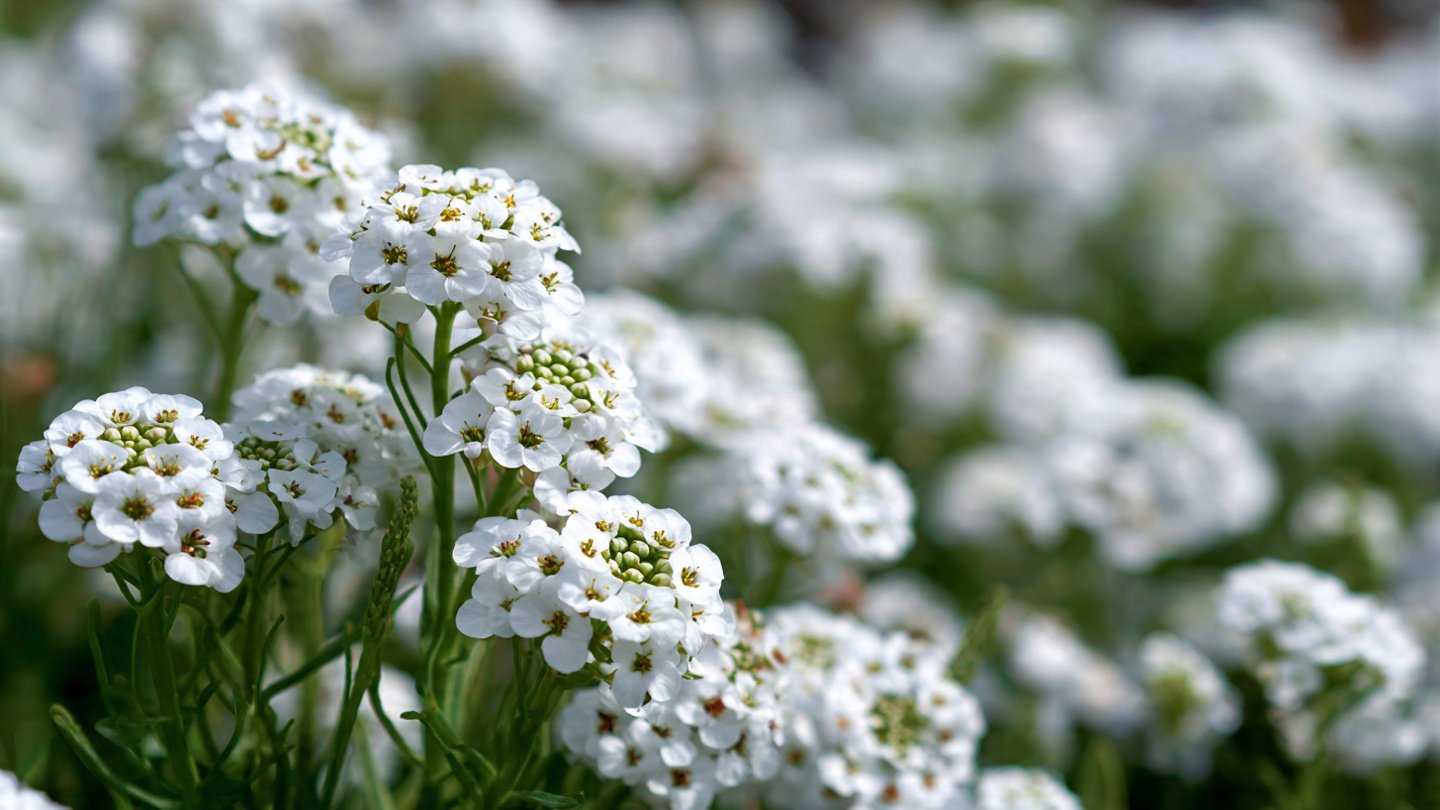
Alyssum, often classified under the genus Lobularia, is a hardy annual or perennial plant known for its small, fragrant flowers. Common varieties include Sweet Alyssum (Lobularia maritima), which is particularly renowned for its ability to attract beneficial insects. It thrives in full sun to partial shade and is adaptable to various soil types.
Characteristics of Alyssum
- Flowering Time: Alyssum flowers from spring to fall, providing a consistent food source for insects throughout the growing season.
- Fragrance: The sweet, honey-like scent of Alyssum flowers can lure in pollinators from a distance.
- Compact Growth: Its low-growing habit makes it an excellent ground cover that can fill in empty spaces in garden beds.
How Alyssum Attracts Beneficial Insects
1. Nectar and Pollen Source

Alyssum is rich in nectar and pollen, both of which are essential food sources for various beneficial insects. Pollinators like bees and butterflies are particularly attracted to the nectar, while its abundant pollen provides nutrition for insects that rely on it for their survival.
Pollinator Attraction
Research has shown that flowering plants, particularly those that bloom in clusters, are more attractive to pollinators. Alyssum’s small, tightly packed flowers make it easy for bees and other pollinators to access their nectar, ultimately encouraging them to visit your garden repeatedly.
2. Habitat for Beneficial Predators
Beyond attracting pollinators, Alyssum serves as a refuge for beneficial predatory insects. Ladybugs, lacewings, and predatory wasps often seek shelter in the foliage of dense flowering plants. By incorporating Alyssum into your garden, you provide these insects with a safe haven, encouraging them to stay and hunt harmful pests.
3. Diversity of Insect Populations
Planting Alyssum helps increase the diversity of insect populations in your garden. A diverse insect population creates a more resilient ecosystem, as it reduces the chances of pest outbreaks. When various beneficial insects coexist, they can better manage pest populations through their synergistic effects.
Best Practices for Planting Alyssum

1. Plant Location
Alyssum thrives in well-drained soil and does best in full sun, although it can tolerate partial shade. Choose a location in your garden that receives at least six hours of sunlight each day to maximize blooming.
2. Companion Planting
Alyssum is particularly effective when combined with other flowering plants that attract beneficial insects. Consider pairing Alyssum with marigolds, dill, or borage, which can further enhance your garden’s insect diversity.
3. Continuous Blooming
To ensure a steady supply of nectar and pollen throughout the growing season, consider planting different varieties of Alyssum with staggered blooming times. This practice promotes a continuous food source for beneficial insects.
4. Maintenance
Alyssum is relatively low-maintenance, requiring minimal watering once established. Regular deadheading can encourage more blooms and prolong the flowering season. Avoid using chemical pesticides, as they can harm beneficial insects and disrupt the delicate balance in your garden.

The Ripple Effect: Enhancing Your Garden’s Ecosystem
1. Reduced Pest Populations
By attracting beneficial insects, Alyssum helps in naturally controlling pests such as aphids, spider mites, and whiteflies. For example, ladybugs are known to consume large quantities of aphids, significantly reducing their numbers.
2. Improved Pollination
Alyssum significantly contributes to the overall pollination of your garden. Increased pollination leads to better fruit and vegetable yields, which is especially beneficial for home gardeners looking to maximize their harvest.
3. Soil Health
The presence of beneficial insects also aids in improving soil health. As decomposer insects break down organic matter, they contribute to nutrient cycling, enhancing soil fertility, and promoting healthier plant growth.
4. Enhanced Biodiversity
A garden that encourages various beneficial insects cultivates a thriving ecosystem. Increased biodiversity ensures natural pest control, better pollination, and overall garden resilience against environmental changes and pest invasions.

Case Studies and Examples
Many gardeners and agricultural experts have reported success with using Alyssum to enhance beneficial insect populations. For instance, researchers in organic farming practices have documented increased yield in vegetable crops when surrounded by Alyssum planted as a companion flower. Similarly, urban gardeners have found that their gardens become more lively and productive when they incorporate Alyssum, providing habitats for pollinators and pest predators alike.
Conclusion
Planting Alyssum offers more than just aesthetic benefits; it cultivates a rich environment teeming with beneficial insects that contribute to the health and vitality of your garden. By providing essential nectar and pollen sources, creating habitats for predators, and increasing biodiversity, Alyssum serves as a cornerstone in fostering a balanced ecosystem. Whether you’re an experienced gardener or a novice, integrating Alyssum into your garden design can lead to significant improvements in plant health, pest management, and overall garden productivity. Embrace the power of Alyssum and watch your garden thrive with the hum of beneficial insects buzzing around.