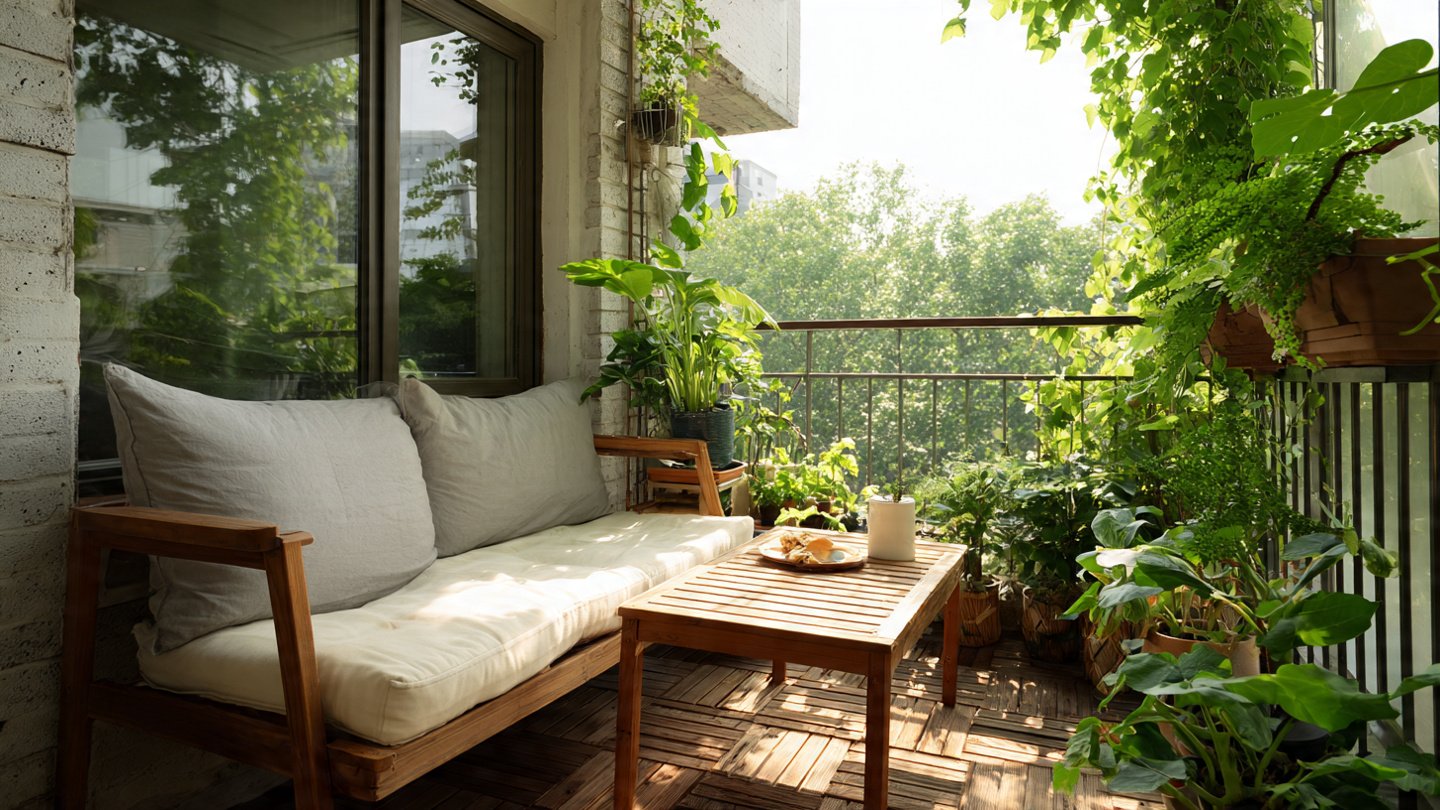
Creating a natural look in your balcony garden can transform an ordinary outdoor space into a serene retreat that feels harmonized with nature. This article explores key strategies for achieving that lush, organic aesthetic, emphasizing plant selection, design elements, and maintenance tips.
Understanding the Concept of Natural Gardening
At the core of natural gardening lies the idea of creating a space that feels effortless and relaxed, as though it emerged organically. This concept contrasts sharply with rigid, manicured gardens that may seem overly contrived. A natural look often features asymmetry, a mix of heights and textures, and a blend of colors that mimic the diversity found in nature.
Why Aim for a Natural Look?
-
Aesthetic Appeal: Natural gardens provide a calming visual experience, making your outdoor space more inviting.
-
Biodiversity: Creating a natural look can attract a variety of wildlife, such as birds and butterflies, adding life to your garden.
-
Sustainability: By selecting native plants and minimizing artificial inputs like fertilizers and pesticides, you foster an environmentally friendly garden.
-
Personal Satisfaction: Working with plants that flourish outdoors allows for a more hands-off approach, which can be less stressful and more rewarding over time.
1. Plant Selection
Choose the Right Plants
The first step in achieving a natural look is selecting appropriate plants. Opt for a mix of native and non-invasive species that are suited to your climate and local ecosystem.
Native Plants

- Resilience: Native plants are adapted to local conditions, making them easier to care for and more resilient.
- Ecosystem Support: They provide food and habitat for native wildlife, enhancing biodiversity.
Edibles
Incorporating edible plants not only adds an interesting layer of texture and color but also makes your garden functional. Herbs like basil, thyme, and mint can grow well in containers, contributing to both beauty and practicality.
Mix Heights and Textures
In a natural garden, layers add depth. Use plants of varying heights to establish visual interest.
- Tall Plants: Consider ornamental grasses or flowering perennials that can serve as a backdrop.
- Medium Plants: Plants like lavender and agastache can fill in the middle layer.
- Ground Covers: Use trailing plants like creeping thyme or sedum to fill spaces and soften the edges of pots.
Emphasize Seasonal Varieties
Incorporating plants with different blooming times will ensure that your balcony garden looks lush year-round. For instance, combine spring-blooming bulbs with summer-flowering annuals and fall foliage plants.
2. Soil and Container Choices
Quality Soil
Using quality potting mix is crucial. A well-balanced mix will encourage healthy root systems, enhancing the growth of your plants.
- Organic Materials: Look for mixes containing compost, peat, or coconut coir. These materials maintain moisture and provide essential nutrients.

Choose Natural Pots
The choice of containers can significantly impact the overall aesthetic. Natural materials such as terracotta, wooden planters, or even stone can give your balcony a more organic feel compared to plastic.
- Color and Texture: Neutral colors blend well with plants, while textured surfaces can add interest.
3. Design Elements
Create Defined Spaces
Creating distinct areas can make your balcony feel more like a sanctuary. Here are some ideas:
- Seating Areas: Position a small bistro table or a couple of chairs among the greenery for a cozy nook.
- Workspaces: If you enjoy potting or gardening, consider a small table for these activities.
Pathways and Borders
Using stones, mulch, or gravel can create informal pathways that guide visitors through your garden and define various sections.
Incorporate Natural Features
Including natural elements to your balcony can enhance the organic feel. Options include:
- Wooden Trellises: These can support climbing plants like peas or flowering vines and provide vertical interest.
- Water Features: A small water fountain can attract birds and introduce soothing sounds, enhancing the tranquil atmosphere.

4. Balancing Asymmetry
Embrace Imperfection
Strive for an asymmetrical look in plant placement. Group plants in clusters rather than evenly spaced rows to create a more natural layout.
Layering Plants
Layer your plants in a way that mimics nature. Taller plants can go at the back or center, with shorter plants cascading over the edges.
5. Natural Mulching
Benefits of Mulch
Using organic mulch effectively suppresses weeds while also retaining soil moisture and enhancing the overall aesthetic of your garden.
- Material Options: Consider wood chips, bark, or straw, as they will break down over time and improve soil health.
6. Wildlife Considerations
Attracting Pollinators
Adding plants that attract butterflies, bees, and other pollinators enhances the vibrancy of your balcony garden. Examples include:
- Lavender: It attracts bees and is also drought-resistant.
- Coneflower: Known for bringing butterflies to your garden.

Bird Feeders and Houses
Incorporating bird feeders or houses can also enhance the natural atmosphere and provide enjoyment as you observe local wildlife.
7. Maintenance Tips for Longevity
Water Wisely
Consistent yet mindful watering helps keep plants healthy. Opt for drip irrigation systems or self-watering pots to maintain moisture without over-saturation.
Pruning and Trimming
Regularly prune your plants to remove dead or diseased foliage and to keep your garden looking fresh. This not only maintains health but also encourages denser growth.
Seasonal Clean-Up
At the end of each growing season, spend some time cleaning up debris. This not only promotes plant health but also prepares your garden for the next season’s growth.
8. Utilizing Vertical Space
Vertical Gardens
If your balcony is limited in space, consider vertical gardening solutions. Install wall planters or use hanging pots to maximize greenery without taking up too much floor space.
Plant Walls
Creating a living wall of plants can add an eye-catching element to your balcony and gives a natural touch even in smaller areas.
9. Seasonal Plant Rotation

Keeping It Fresh
Changing your plants seasonally helps maintain visual interest and allows you to experiment with new varieties. Consider rotating annuals or perennials to accommodate the changing seasons.
Seasonal Decor
Incorporate seasonal decor to enhance the natural look. Simple elements like natural stones, driftwood, or seasonal ornaments can add character.
10. Final Touches
Lighting
Soft, natural lighting can enhance the mood of your balcony garden. Consider solar-powered string lights or lanterns that can create a warm atmosphere in the evening.
Textiles
Choose outdoor cushions, rugs, and blankets in nature-inspired colors and textures. Natural materials such as cotton or jute can complement the organic feel of your space.
Conclusion
Achieving a natural look in your balcony garden is a rewarding endeavor that invites a piece of the outdoors into your life. By carefully selecting plants, using appropriate materials, and embracing a less rigid design, you can create a serene oasis that provides comfort and beauty. Consider the tips outlined here as you embark on your journey toward a vibrant, natural balcony garden. With patience and care, your balcony can transform into a lush retreat that nurtures both mind and spirit. Enjoy the beauty of nature right from your home!