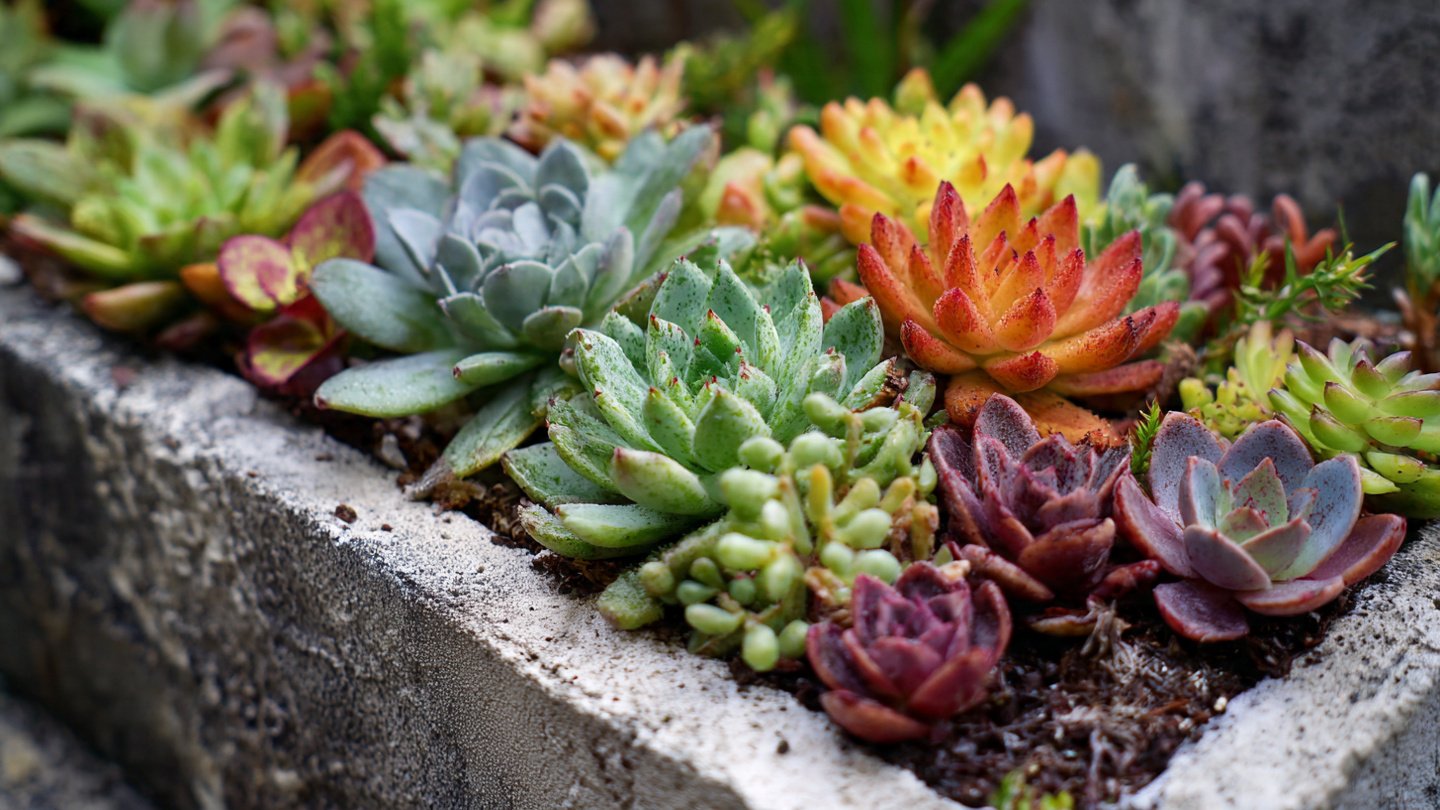
Succulents have surged in popularity among urban gardeners, especially for balcony spaces where light and aesthetics come together beautifully. Their unique appearance and low-maintenance care make them ideal for busy individuals. However, the secret to keeping these resilient plants thriving lies not just in choosing the right species but also in utilizing the right soil—a gritty soil blend, to be specific. This article delves into the reasons why gritty soil is essential for cultivating flourishing balcony succulents.
Understanding Succulents
Before we explore why gritty soil is vital, let’s clarify what succulents are. Succulents are plants that store water in their leaves, stems, or roots, allowing them to thrive in arid environments. They come in various shapes, sizes, and colors, from the ubiquitous Echeveria to the strikingly unique Lithops. They are often chosen for urban balconies because they can tolerate occasional neglect in watering, yet they still demand the right conditions to flourish.
The Importance of Soil Composition
To understand the need for gritty soil, we must first appreciate the role soil plays in plant health. Soil composition directly affects drainage, nutrient availability, and root health, which are crucial for the overall wellbeing of succulents.
Drainage

Succulents are prone to root rot, a condition that arises when their roots remain in waterlogged soil. Gritty soil facilitates excellent drainage, allowing excess water to flow freely away from the roots. A typical succulent soil mix contains components like coarse sand, perlite, and pumice, which create air pockets. These air pockets are critical for root respiration and also help maintain the balance between moisture retention and drainage.
Aeration
The roots of succulents require oxygen, which is often lacking in compacted soils. A gritty mix enhances aeration, ensuring that roots can absorb essential nutrients and moisture without the risk of suffocation. In compact or dense soils, roots may struggle to access nutrients, leading to stunted growth or even plant death.
Nutrient Availability
While succulents do not require as many nutrients as other plants, a gritty soil blend allows for better nutrient uptake when needed. The mineral components of gritty soil not only provide minimal nutrients but also aid in the overall structure, which helps in retaining moisture during dry spells while ensuring that the roots benefit from the nutrients available.
Key Components of Gritty Soil
To create the perfect gritty soil for your balcony succulents, consider the following components:

Coarse Sand
Coarse sand is a fundamental ingredient in gritty soil mixes. It provides excellent drainage and promotes air circulation around the roots. Make sure to avoid fine sand, which can compact easily and lead to poor drainage.
Perlite
Perlite is a volcanic glass that is heated until it expands into lightweight, white balls. It is excellent for enhancing aeration in the soil and ensuring that water passes through quickly. Perlite also helps retain some moisture without becoming waterlogged, making it an essential component of a gritty mix.
Pumice
Pumice, a natural volcanic rock, adds weight to the soil and provides structural integrity. Like perlite, pumice enhances drainage and aeration but also retains some moisture. It is particularly beneficial in hotter climates where succulents might need a little more moisture retention.

Gravel or Small Stones
Adding a layer of gravel or small stones to the soil mix can further enhance drainage. This layer will also provide a decorative touch, making your balcony succulent garden visually appealing.
Organic Matter (Optional)
While not necessary, adding a small amount of organic matter, like compost or worm castings, can provide some nutrients without overwhelming the plant with richness. Too much organic matter can lead to excess moisture retention, which is detrimental to succulents.
Climate Considerations
The climate in which you live plays a significant role in the type of soil you should use. In humid climates, adding more gritty components is essential to prevent root rot due to excessive moisture. Conversely, in drier conditions, a slightly heavier mix with more organic material may be beneficial to retain some moisture during particularly arid periods.
Seasonal Changes

Balcony succulents require different care depending on the season. During hot summer months, make sure to have a gritty soil mix that allows for fast drainage while retaining some moisture. In winter, if watering is less frequent due to lower evaporation rates, ensure that your soil is still able to drain effectively to prevent root rot.
Choosing the Right Planters
The type of planter you use can also impact soil performance. Clay pots are ideal for succulents as they are porous and allow moisture to escape while also offering some degree of insulation from extreme temperatures. Make sure your pots have drainage holes to prevent excess moisture buildup at the bottom.
Tips for Maintaining Your Balcony Succulents
-
Watering Guidelines: Water your succulents thoroughly but infrequently. Allow the soil to dry out fully between watering sessions.
-
Placement: Ensure your balcony succulents are placed in a spot that receives adequate sunlight, usually 6-8 hours a day. Too much shade can hinder their growth.

-
Fertilizing: If you choose to add organic matter, do so sparingly. During the growing season (spring and summer), a diluted succulent fertilizer can be applied monthly.
-
Pest Control: Keep an eye out for common pests like mealybugs and aphids. If you notice any, treat your plants promptly with insecticidal soap or neem oil.
-
Repotting: Consider repotting your succulents every 1-2 years to refresh the soil and provide room for growth. Healthy roots are essential for thriving plants.
Conclusion
Creating an ideal environment for balcony succulents largely depends on the soil you use. Gritty soil not only ensures proper drainage and aeration but also fosters a healthy environment for root growth and nutrient absorption. By understanding the unique needs of succulents and employing a high-quality gritty mix, you can cultivate a thriving balcony oasis. Whether you’re an experienced gardener or a newcomer to the world of succulents, appreciating and implementing the importance of gritty soil will set you on the path to success. Enjoy the vibrant colors and unique shapes of your balcony succulents as they grow and thrive in their ideal environment.