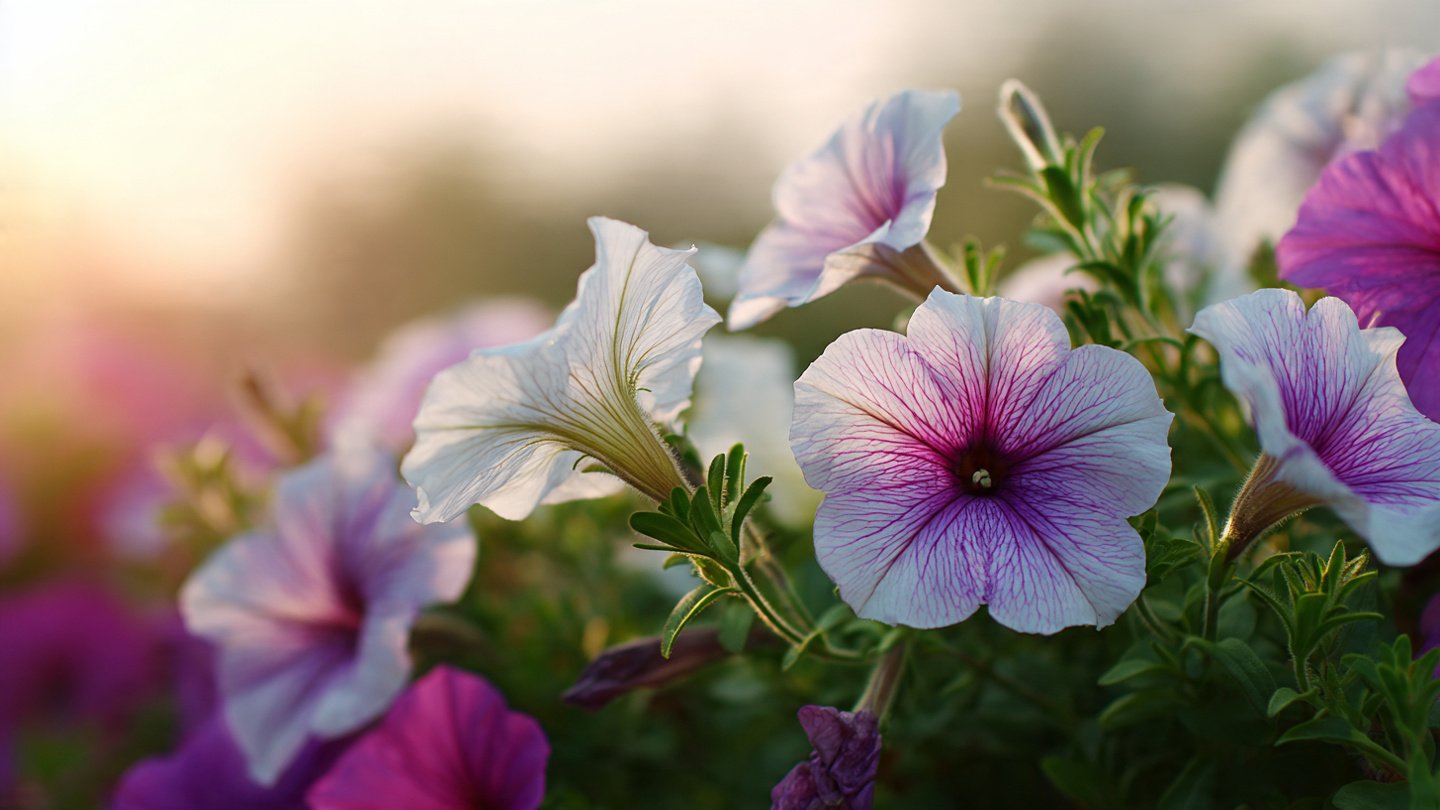
Petunias are one of the most beloved flowers among gardeners, celebrated for their vibrant colors and resilient nature. However, a common issue faced by both novice and experienced gardeners alike is the phenomenon known as ‘leggy’ petunias. These plants become tall and spindly, often resulting in a less than attractive appearance. This article explores the reasons behind leggy petunias and provides natural methods to prevent this issue, ensuring your petunias thrive beautifully in your garden.
Understanding the Problem of Leggy Petunias
Before diving into prevention strategies, it’s essential to understand what causes petunias to become leggy. A leggy petunia typically presents itself with long stems, sparse leaves, and an overall unbalanced look. While it might still bloom, it’s not the lush, fullflowering petunia most gardeners desire. The primary reasons for leggy growth include:
- Insufficient Sunlight: Petunias are sun-loving plants. They require at least 6-8 hours of direct sunlight each day to thrive.
- Over-fertilization: Using too much fertilizer, particularly nitrogen, can promote lush leaf growth at the expense of flowers.
- Inadequate Pruning: Failure to pinch back petunia plants can lead to elongated growth.
- Watering Issues: Too much or too little water can stress the plant, contributing to leggy growth.
Natural Prevention Methods for Leggy Petunias

Fortunately, there are several natural strategies to keep your petunias looking healthy and compact. Implementing these methods can help you avoid the common leggy appearance and encourage bushier growth.
1. Providing Adequate Sunlight
Your first line of defense against leggy petunias is to ensure they receive sufficient sunlight. The ideal location would be a spot in your garden that receives full sun. Observe the placement of your plants and make adjustments as needed.
2. Light Pruning and Pinching
Regularly pinching back the tips of your petunia plants encourages them to branch out. This practice promotes bushy growth and leads to more flowers. Start this process early in the growing season, and continue until the plants reach your desired height.
3. Balanced Fertilization
While fertilizers can be beneficial, it’s crucial to use them wisely. Opt for a balanced fertilizer with equal proportions of nitrogen, phosphorus, and potassium. Additionally, consider organic options like compost or well-balanced potting soil, which can boost soil nutrients without the risk of over-fertilizing.
4. Water Management

Understanding your petunia’s watering needs is vital. Petunias prefer well-drained soil, so it’s essential to water them adequately without causing waterlogging. Allow the top layer of soil to dry out before watering again, promoting healthy root growth.
5. Appropriate Spacing
When planting petunias, ensure they are spaced adequately. Overcrowding can lead to competition for light, resulting in leggy plants. A general rule of thumb is to space petunias about 12-18 inches apart to ensure they have room to grow and access sunlight.
Common Mistakes to Avoid
As you implement these natural methods, it’s essential to be mindful of common mistakes that can hinder your efforts in preventing leggy growth.
- Ignoring Plant Needs: Monitor your plants’ needs regularly. Different seasons may require adjustments in care.
- Using High-Nitrogen Fertilizers: Avoid fertilizers that are too high in nitrogen, as this can encourage excessive foliage at the expense of blooms.
- Neglecting Pest Control: Pests can stress plants, causing them to grow leggy. Address any pest issues immediately.

Caring for Petunias in Different Conditions
Your petunia care may vary depending on your local climate and soil conditions. Here are tips for petunia care in various environments:
In Hot Climates
For those living in warmer areas, consider providing some afternoon shade. This helps prevent heat stress and maintains foliage integrity.
In Cooler Climates
In cooler regions, ensure that your petunias can avoid frost exposure. Consider using frost blankets or moving potted plants indoors during chilly nights.
Container Considerations
When planting petunias in containers, ensure you have an appropriate size. Containers that are too small can hinder root growth, leading to leggy plants.

Conclusion
Preventing leggy petunias naturally involves a combination of the right environmental conditions, proper pruning, balanced fertilization, and careful watering. By following these strategies, your petunias can become healthy, lush, and vibrant, adding immense beauty to your garden. Remember, consistent care and observation are key elements in maintaining their well-being and preventing leggy growth. An attentive gardener is a successful gardener!
FAQs
1. How often should I prune my petunias?
You should pinch back your petunias every few weeks during the growing season to encourage bushier growth.
2. Can leggy petunias recover?
While leggy petunias can be trimmed back to promote new growth, prevention is much easier than recovery. Post prune, ensure proper sunlight and care to encourage healthy regrowth.
3. What type of fertilizer is best for petunias?
A balanced fertilizer with equal ratios of nitrogen, phosphorus, and potassium is ideal. Organic options like compost can also provide excellent nutrients without the risk of over-fertilization.

4. How can I tell if my petunias are getting enough sunlight?
If your petunias appear weak, spindly, and have fewer flowers, they may need more sunlight. They should ideally receive at least 6-8 hours of direct sunlight daily.
5. Is it better to water petunias from the top or bottom?
Watering from the bottom can be beneficial, as it encourages roots to grow deeper. However, ensure the soil remains consistently moist without being waterlogged.