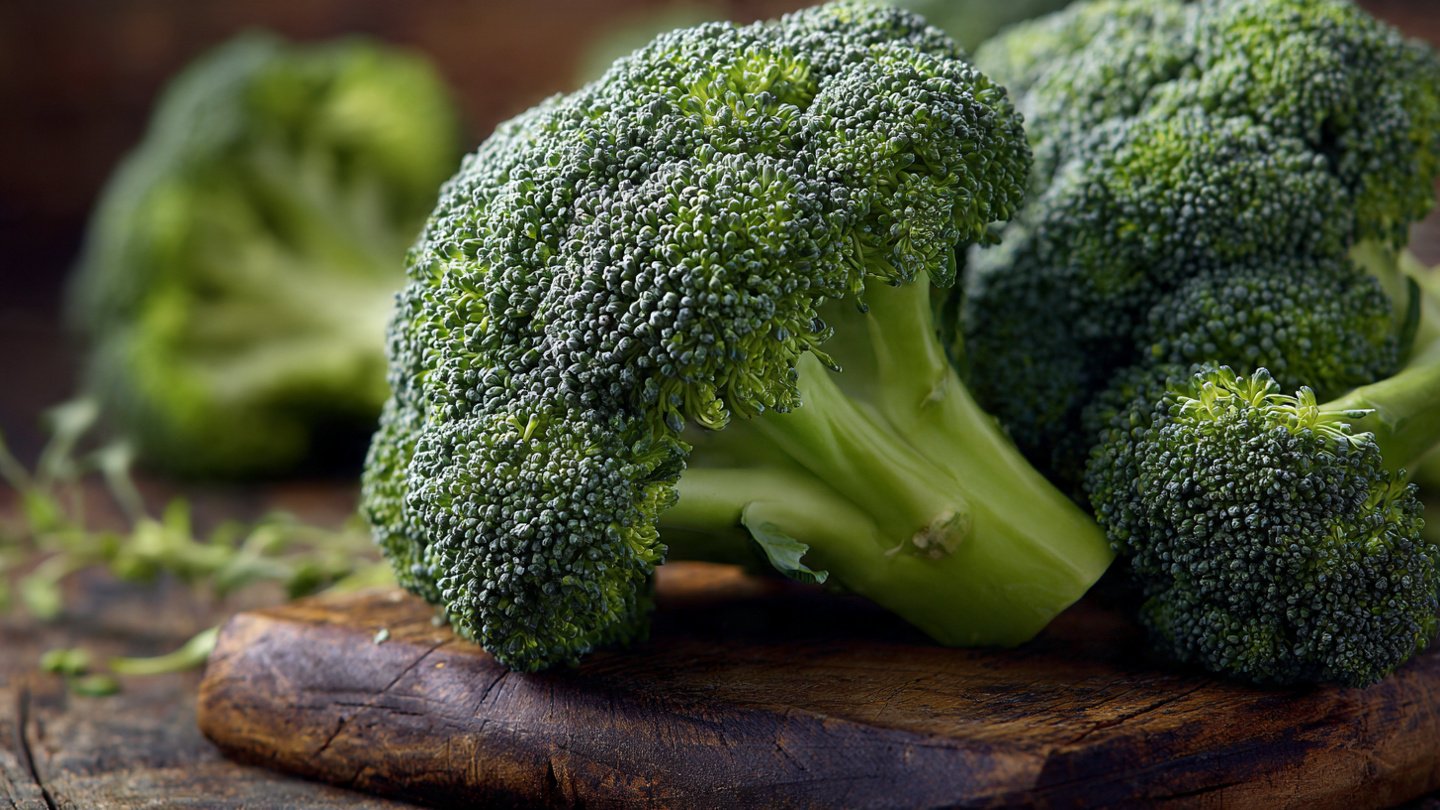
Broccoli, a green vegetable belonging to the cruciferous family, has gained popularity not just for its flavor, but also for its numerous health benefits. Packed with essential nutrients, it can play a crucial role in a balanced diet. However, with the modern emphasis on organic foods and sustainable living, the practice of growing your own vegetables has become increasingly appealing. Here’s why you should consider growing your own broccoli for a healthier dinner.
The Nutritional Benefits of Broccoli
Before delving into the reasons to grow your own broccoli, let’s take a closer look at why broccoli should be a staple in your diet:
- Rich in Vitamins and Minerals: Broccoli is high in vitamins C, K, and A, as well as folate and fiber. These nutrients are essential for immune function and bone health.
- Rich in Antioxidants: Compounds like sulforaphane help fight oxidative stress and inflammation.
- Supports Digestive Health: The high fiber content promotes regular bowel movements and gut health.
Clearly, adding broccoli to your plates can boost nutritional value without much hassle. So, why not take it a step further by growing your own?
Reasons to Grow Your Own Broccoli
1. Freshness and Flavor

One of the most significant advantages of growing your broccoli is the unbeatable freshness. The taste of freshly harvested broccoli is far superior to that of pre-packaged varieties found in grocery stores. By growing your own, you can pick the broccoli at the peak of its ripeness, ensuring that the flavors are at their best.
2. Control Over Growing Conditions
When you grow your own broccoli, you have complete control over how it’s cultivated. You can choose whether to use organic methods, ensuring that your food is free from harmful pesticides and chemicals. This is particularly important for health-conscious individuals and families looking to lead a more natural lifestyle.
3. Cost Efficiency
Buying organic produce can be quite expensive, especially when it comes to highly nutritious vegetables like broccoli. Growing your own can save you money in the long run. The initial investment in seeds or starter plants and soil can be offset by the continuous supply of fresh broccoli throughout the growing season.
4. Environmental Impact
Home gardening contributes positively to the environment. It reduces the carbon footprint associated with transporting vegetables from farms to stores. Moreover, by cultivating your own produce, you can contribute to a more sustainable food system.
5. Educational Experience
Growing your own broccoli can be an excellent educational opportunity for families. Kids are often more willing to eat vegetables they have grown themselves. Engaging children in the gardening process teaches them about the food source of their meals, the importance of sustainable practices, and the value of patience and nurturing.

How to Grow Broccoli
Now that you understand the benefits of growing your own broccoli, let’s explore how you can get started.
Step 1: Choose the Right Variety
Broccoli comes in several varieties. Some common types include:
- Calabrese: Known for its large heads and is commonly found in supermarkets.
- Sprouting Broccoli: Produces small side shoots instead of one large head.
- Purple Sprouting: A unique variety that has beautiful purple heads.
Step 2: Prepare Your Garden Bed
Broccoli thrives in well-draining, nutrient-rich soil. You may want to enrich your garden bed with compost or organic fertilizer. Ensure the area gets at least 6-8 hours of sunlight a day.
Step 3: Planting
Broccoli can be directly seeded outdoors or started indoors and transplanted later. If you’re directly seeding, plant them about 1/2 inch deep and spaced 18-24 inches apart. The ideal time for planting is either in spring or fall, depending on your local climate.
Step 4: Watering and Maintenance
Regular watering is essential, especially during dry spells. Keep the soil consistently moist but not waterlogged. Weeding around your broccoli can also significantly improve growth by reducing competition for nutrients.
Step 5: Harvesting
Broccoli is usually ready to harvest when the buds are tight and the heads are firm. Cut the stalk with a sharp knife, taking care to leave a few leaves for further production.
Incorporating Broccoli into Your Meals
Once you’ve harvested your fresh broccoli, it’s time to enjoy the fruits of your labor! Here are some healthy cooking methods:
- Sautéing: Quick and easy, just toss broccoli florets in a pan with olive oil and your favorite seasonings.
- Steaming: Retains most of the nutrients while making the broccoli tender.
- Roasting: Enhances the flavor and can add a nice crunch.
Broccoli pairs well with a variety of dishes including stir-fries, salads, and pasta. The possibilities are endless!
Conclusion
Growing your own broccoli is not only a rewarding endeavor but also a step towards healthier eating. With its myriad of health benefits, the ability to control how it’s grown, and the satisfaction of consuming something you cultivated, there truly isn’t a good reason not to give it a try. So why not roll up your sleeves, dig into the soil, and reap the benefits of your own homegrown broccoli?
FAQs
1. How long does it take to grow broccoli?
Broccoli typically takes about 70-100 days from planting to harvest, depending on the variety.
2. Can broccoli be grown in containers?
Yes, broccoli can be grown in containers, making it a good option for those with limited space.
3. What pests should I be aware of when growing broccoli?
Common pests include aphids, cabbage worms, and flea beetles. Organic pest control methods can be effective.
4. How do I know when my broccoli is ready to harvest?
Harvest when the buds are still tight and firm. If they begin to flower, it’s an indicator that you’ve waited too long.
5. Is broccoli a cold-weather crop?
Yes, broccoli prefers cooler temperatures and can be planted in early spring or late summer for a fall harvest.