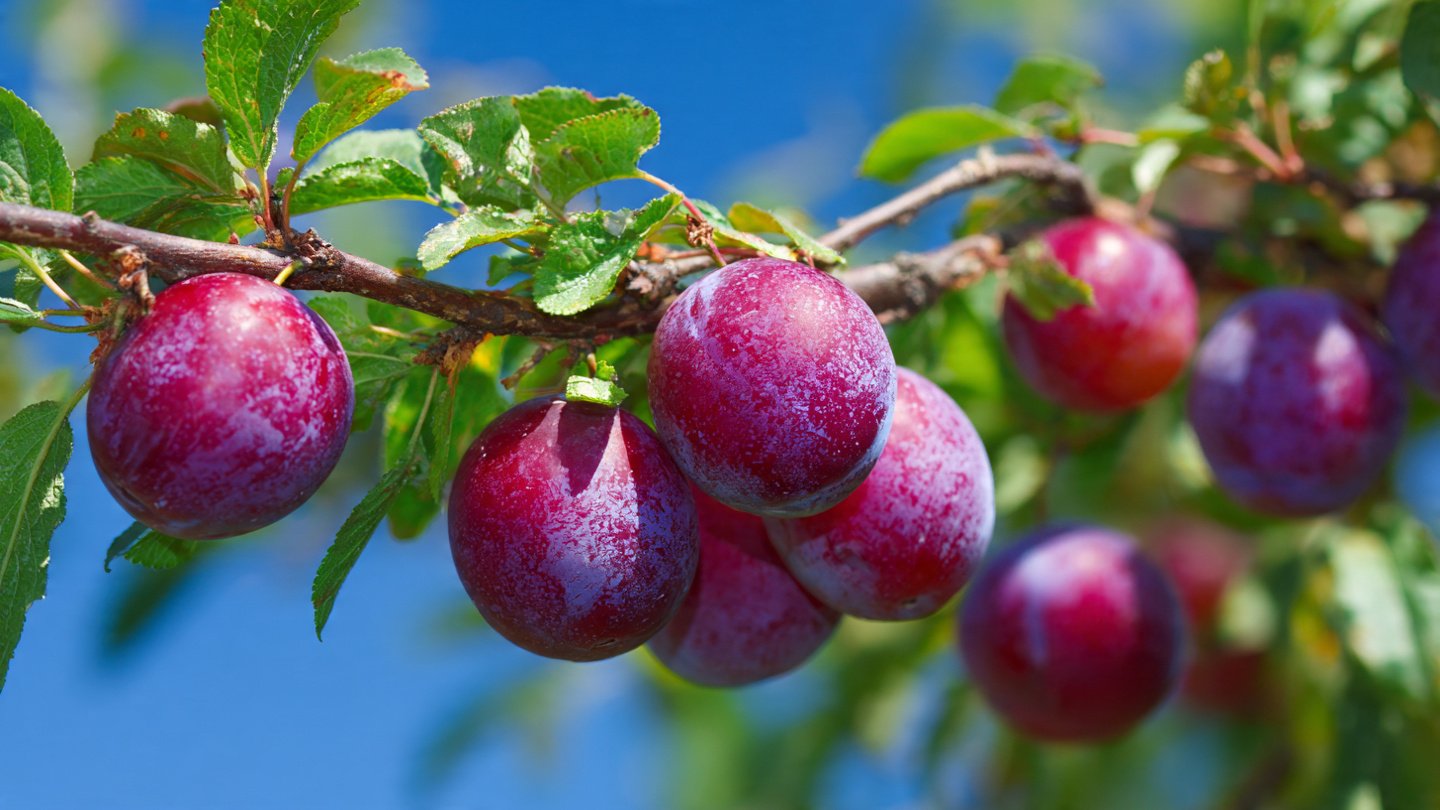
Pruning fruit trees is an essential part of maintaining their health and productivity. Many gardeners are often confused about the best time to prune their trees, and while winter is traditionally seen as an ideal period, summer pruning offers unique advantages. This article explores why summer is considered an optimal time to prune fruit trees and details the methods that yield the best results.
The Benefits of Summer Pruning
Summer pruning involves the careful removal of specific branches and foliage from trees during the growing season. This practice comes with several benefits that can enhance the overall health and productivity of fruit trees.
1. Improved Air Circulation and Sunlight Exposure
During the heat of summer, trees can become dense with leaves, which limits air circulation within their canopy. Pruning in the summer helps to thin out excess foliage, allowing air to circulate more freely. This circulation minimizes the risk of fungal diseases that thrive in damp, shadowy environments. Additionally, improved light exposure enhances fruit development, leading to tastier, more abundant harvests.

2. Enhanced Growth Control
Summer pruning acts as a natural growth control mechanism. When certain branches are trimmed back, the tree redirects its energy towards producing fruit rather than excessive vegetative growth. This process is particularly vital for trees that have overgrown. By selectively pruning, gardeners can manage tree size and shape effectively, leading to more productive trees with a manageable structure.
3. Pest and Disease Management
Pests and diseases can wreak havoc on fruit trees if left unchecked. Summer pruning can significantly reduce the risk of infestations by removing any problematic branches. By regularly assessing the tree for signs of pests and disease during the growing season, gardeners can act quickly to prevent larger issues. This proactive approach is essential for maintaining healthy fruit trees.
4. Training Young Trees
For young fruit trees, pruning in summer can help shape their structure as they develop. This formative pruning allows you to establish a strong branching framework that will support fruit loads in the future. Training young trees in their early years can result in healthier, more productive adult trees.

Best Methods for Summer Pruning
Once you have decided to prune your fruit trees in the summer, understanding the best methods is crucial for achieving optimal results. Here are some of the most effective techniques for summer pruning.
1. The Heading Cut
A heading cut is one of the most common pruning techniques used during the summer. This method involves cutting the branch tip back to a bud. This technique encourages bushier growth and can help manage tree height. Gardeners should aim to make clean cuts to prevent injury to the tree and promote rapid healing.
2. Thinning Cuts
Thinning cuts involve removing entire branches from their point of origin. This allows for better light penetration and air circulation within the tree’s canopy. Thinning cuts can help manage the density of the foliage without compromising the tree’s overall shape. This method is ideal for addressing overcrowded branches and promoting more even fruit production.

3. Removing Suckers
Suckers are the fast-growing shoots that emerge from the base of the tree or along its main branches. These suckers can divert energy away from the main tree, leading to weaker fruit production. Regularly identifying and removing suckers during the summer ensures that the tree focuses its resources on fruit development.
4. Pruning for Specific Varieties
Different fruit trees have unique needs and growth patterns. For example, apple trees may benefit from summer pruning to control height and promote fruiting, while peach trees may require selective pruning to enhance fruit size. Understanding the specific requirements of each tree variety you maintain is essential for effective summer pruning.
Conclusion
Summer pruning is a valuable practice for maintaining the health and productivity of fruit trees. By allowing better air circulation, controlling growth, managing pests, and shaping young trees, summer pruning enhances fruit quality and yield. Employing techniques like heading and thinning cuts and staying vigilant about suckers will ensure that your trees thrive. As with any gardening practice, understanding the unique requirements of your fruit trees will lead to the best results. Therefore, make summer pruning a vital part of your fruit tree maintenance routine, and enjoy the fruits of your labor.

FAQs
1. Can I prune my fruit trees in late summer or early fall?
While it’s possible to prune in late summer or early fall, it’s generally recommended to complete most pruning before the end of summer. Late-season pruning can trigger new growth that won’t have time to harden off before winter, making the tree vulnerable to cold temperatures.
2. What tools do I need for summer pruning?
A sharp pair of hand pruners, loppers, and possibly a pruning saw are essential tools for summer pruning. Ensure all tools are clean and sharp to make clean cuts, which reduces the risk of disease.
3. How much of the tree can I prune at once?
It’s crucial to avoid over-pruning. A general rule of thumb is to remove no more than 25% of the tree’s foliage during a single pruning session. This ensures that the tree has enough leaf area to continue photosynthesis.

4. What time of day is best for pruning?
Pruning in the late afternoon or early evening is often best, as this allows for the cuts to begin healing overnight when temperatures are cooler. Avoid pruning during the peak heat of midday to lessen stress on the tree.
5. Should I seal pruning cuts?
In general, sealing cuts is not necessary and can sometimes do more harm than good. Trees naturally form a callus over cuts, so it’s best to leave them exposed to air to facilitate natural healing.