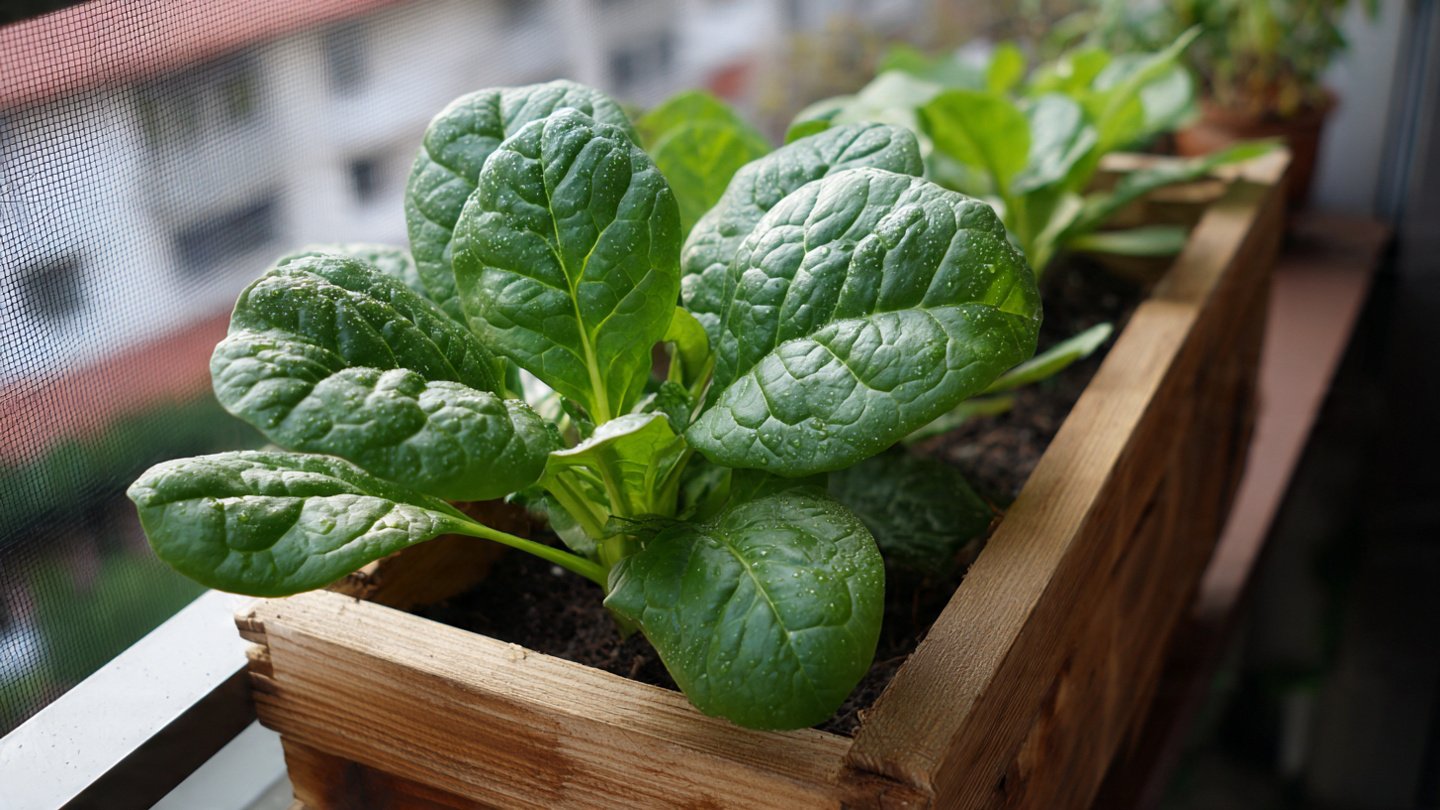
Growing fresh spinach can be a rewarding experience, especially for those with limited outdoor space. Whether you live in a bustling city or a quiet suburb, a small balcony offers the perfect opportunity to cultivate your own greens. Spinach is not only nutritious and versatile but also relatively easy to grow with the right techniques. Here, we’ll delve into the secrets that can help you successfully grow fresh spinach in a small balcony box.
Understanding Spinach
Spinach (Spinacia oleracea) is a leafy green vegetable packed with vitamins A, C, K, and several B vitamins, as well as iron, calcium, and magnesium. It thrives in cooler weather, making it an excellent choice for spring and fall planting. Fast-growing and adaptable, spinach can be harvested multiple times if you choose a cut-and-come-again method.
Choosing the Right Container
Size Matters
For growing spinach, choose a container that is at least 6-12 inches deep and 12-18 inches wide. This depth allows the roots to establish themselves adequately. You can opt for traditional plant pots, rectangular window boxes, or even hanging baskets, depending on your available space.
Drainage is Key
Make sure your container has proper drainage holes. Spinach roots don’t like soggy conditions; standing water can lead to root rot. If your container doesn’t have drainage holes, consider using a smaller pot inside the larger one or add drainage material at the bottom.
Lightweight Container Options

If you’re concerned about the weight of your balcony garden, consider lightweight materials like plastic or fiberglass. These options can carry a good amount of soil without adding too much weight, making them balcony-friendly.
Selecting the Right Soil
Soil Composition
Use high-quality potting mix that is lightweight and well-draining. A mix containing organic matter, such as compost, peat moss, or coconut coir, will provide essential nutrients to your spinach plants.
pH Level
Spinach prefers a slightly alkaline to neutral pH, ideally around 6.5 to 7.5. You can purchase a soil testing kit to check your pH level, and amend your soil accordingly. Adding lime can raise the pH, while sulfur can help lower it.
Fertilization
Consider mixing slow-release, organic fertilizer into your potting mix before planting. This will provide a steady supply of nutrients for your spinach as it grows. Additionally, you can feed your plants with a balanced liquid fertilizer once every few weeks.
Planting Techniques
Seeds or Seedlings

Decide whether you want to start from seeds or purchase young seedlings from a nursery. Seeds are more economical, while seedlings give you a head start. If starting from seeds, sow them about half an inch deep and 2 inches apart to allow enough space for growth.
Timing Your Planting
Spinach prefers cooler temperatures and can grow in both spring and fall. You can sow seeds directly in the soil or start indoors and transplant them outside later. In most areas, it’s suitable to plant spinach as soon as the soil can be worked in the spring. If you’re in a warmer climate, consider a fall planting to avoid the summer heat.
Succession Planting
To enjoy a continuous harvest, practice succession planting. Sow seeds every 2-3 weeks during the growing season. This method ensures you always have fresh spinach available and prevents overcrowding.
Providing Adequate Light
Sunlight Requirements
Spinach thrives in full sun, ideally receiving 6-8 hours of direct sunlight daily. However, it can also tolerate partial shade, especially in warmer climates where the afternoon sun can be intense.
Orienting Your Container
Position your balcony box to maximize sun exposure. If your balcony is shaded, consider utilizing reflective surfaces or light-colored materials nearby to enhance light levels.

Watering Wisely
Consistency is Crucial
Spinach roots require consistent moisture to thrive. Ensure the soil is even moist – not waterlogged or dry. Water the plants thoroughly whenever the top inch of soil feels dry.
Time of Day
Watering early in the morning or late in the afternoon can minimize evaporation and leaf scorch. Avoid watering in the afternoon when the sun’s intensity is highest.
Mulching Benefits
Applying mulch in your container can help retain moisture, regulate soil temperature, and discourage weed growth. Organic materials like straw or grass clippings are excellent choices.
Managing Temperature
Ideal Conditions
Spinach grows best in temperatures between 50°F (10°C) and 70°F (21°C). In warmer climates, be mindful of fluctuating temperatures, as excessive heat can cause spinach to bolt (go to seed) prematurely.

Shade and Cooling Techniques
Using shade cloth during particularly hot days or placing your container in a shaded area can help prevent bolting. Additionally, watering frequently on hot days can help cool down the soil.
Pest and Disease Control
Common Pests
Though generally hardy, spinach can attract pests such as aphids, leaf miners, and whiteflies. Regularly inspect your plants, and if you notice any signs of infestation, consider using insecticidal soap or neem oil to manage them.
Preventing Diseases
Fungal diseases like downy mildew or powdery mildew can affect spinach. Ensure good air circulation around your plants and avoid overhead watering to minimize the risk. Proper spacing between plants allows for better airflow.
Harvesting Techniques
Timing Your Harvest
Spinach can be harvested as soon as the leaves are large enough to eat, typically 4-6 weeks after planting. You can pick the outer leaves first, allowing the center to continue to produce.

Cut-and-Come-Again Method
Using a pair of scissors, cut the leaves about an inch above the base of the plant. This method encourages regrowth, enabling you to harvest multiple times throughout the season.
Storage Tips
Freshly harvested spinach can be stored in the refrigerator for up to a week. To maintain freshness, place it in a perforated plastic bag, and avoid washing until ready to use, as moisture can promote spoilage.
Conclusion
Growing fresh spinach on a small balcony box is not only feasible but also highly rewarding. By understanding the needs of spinaches—such as proper container selection, optimal soil, adequate sunlight, consistent watering, and proactive pest management—you can enjoy a bountiful harvest right from your own home. With persistence and care, you’ll end up with vibrant, nutritious spinach that can elevate your meals. So roll up your sleeves, grab your gardening tools, and relish the joys of balcony gardening!