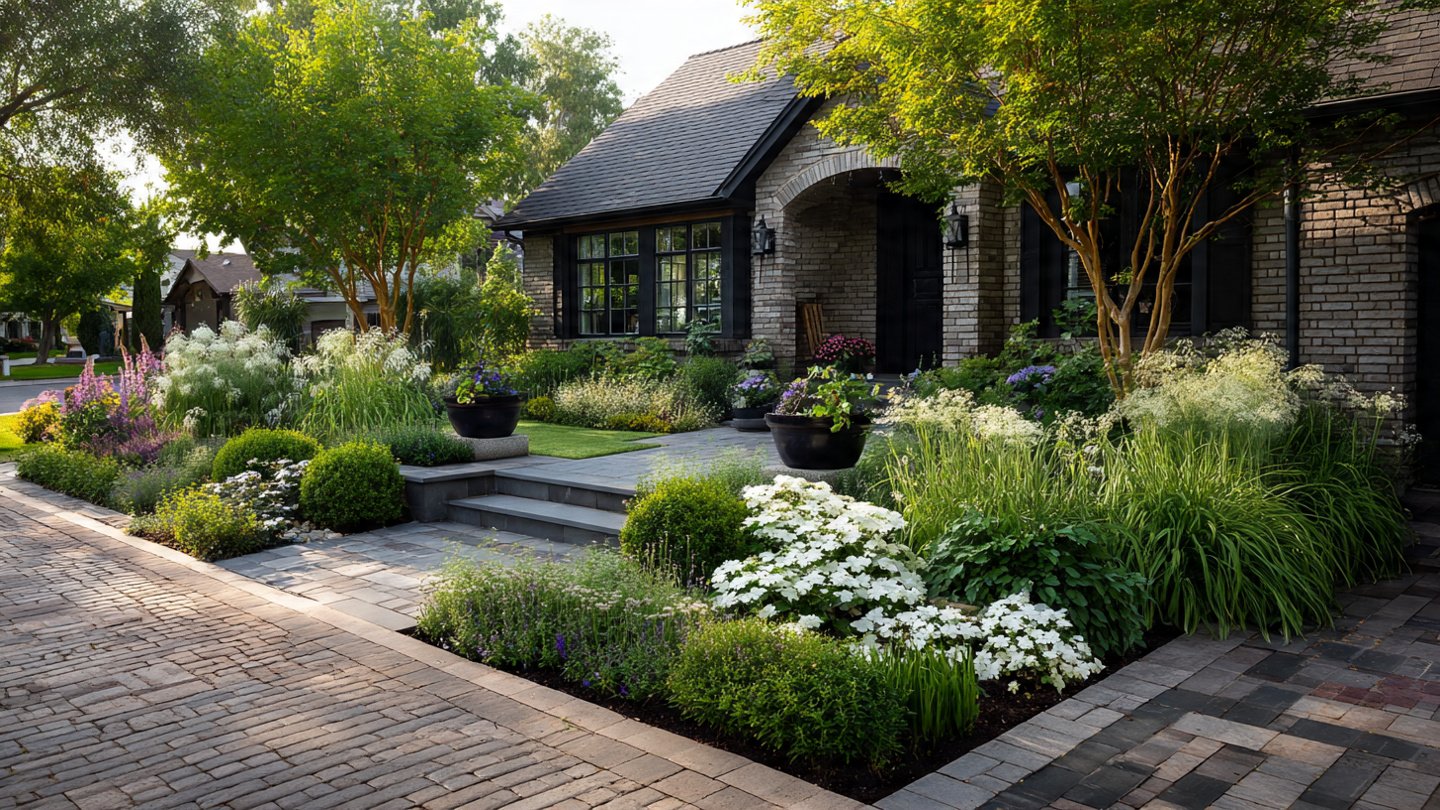
Creating a stunning landscape that exudes sophistication while minimizing upkeep is a rewarding endeavor. A high-end look doesn’t necessarily mean high maintenance. By integrating design principles, selecting the right plants, and employing smart techniques, you can achieve a beautiful landscape that doesn’t consume your weekends. Below, we outline steps to guide you through achieving an elegant, low-maintenance landscape.
Understanding the Basics of Low Maintenance Landscaping
The key to a low-maintenance landscape is in its design. It’s crucial to focus on creating a clean and organized aesthetic that uses natural features and smart planning. Here are some foundational principles:
- Simplicity: Aim for a minimalist design that reduces clutter and emphasizes open spaces.
- Functionality: Consider how you will use the outdoor space. Features should align with your lifestyle.
- Integration: Blend hardscape elements (like patios and walkways) with planting beds to create harmony.
Selecting the Right Plants
The plant selection plays a critical role in creating a low-maintenance yet visually appealing landscape. Consider the following tips:
Choose Native Plants
Native plants are well-adapted to the local climate and soil conditions, requiring less water, fertilizer, and maintenance. They also support local wildlife. Examples include:

- Black-eyed Susan
- Echinacea (Coneflower)
- Calamint
Opt for Perennials
Perennials return each year, reducing the need for replanting. Focus on resilient varieties that thrive in your region.
Incorporate Drought-Resistant Plants
Plants such as succulents or ornamental grasses can tolerate dry conditions and often require minimal care.
Group Plants Strategically
Cluster plants with similar water and light needs together. This not only enhances visual interest but also simplifies watering routines.
Incorporating Hardscaping Elements
Hardscaping involves using non-plant elements to create structure in a landscape. This strategy can significantly reduce maintenance needs while enhancing aesthetics.

Use Patios and Pathways
Utilizing materials like stone, concrete, or pavers helps to create defined spaces that require little upkeep. Choose colors and textures that complement your home for a cohesive look.
Install Retaining Walls
Retaining walls can prevent erosion and define garden spaces beautifully. They can also serve as seating areas or plant beds.
Provide Focal Points
Incorporating features like fountains or sculptures can elevate the landscape design and attract attention away from maintenance aspects.
Creating Efficient Irrigation Systems
A well-planned irrigation system can vastly reduce water use and maintenance. Consider these options:
Drip Irrigation
This system delivers water directly to the plant roots, minimizing evaporation and ensuring efficient use of water.
Rainwater Harvesting

Collecting rainwater for irrigation can reduce water costs and promote sustainability.
Utilizing Mulch
Mulching is a powerful technique that can suppress weeds, retain moisture, and enhance the visual appeal of your landscape.
Choose the Right Mulch
Consider organic mulches like wood chips or bark, which break down over time, adding nutrients to the soil.
Apply a Thick Layer
A depth of 2–3 inches can effectively suppress weeds and regulate soil temperature.
Maintaining Your Landscape Wisely
Even low-maintenance landscapes require care. Here are some strategies to make upkeep easier:
Set a Schedule
Create a maintenance schedule that includes tasks like pruning, fertilizing, and seasonal cleaning. Consistency is key.

Invest in Quality Tools
High-quality gardening tools can make the work simpler and quicker. A few essential hand tools can suffice for most maintenance tasks.
Hire Professionals for Heavy Work
If you have large trees or complex projects, hiring a landscaping professional can save time and ensure quality results.
Conclusion
Achieving a low-maintenance landscape that looks high-end is entirely possible with thoughtful planning and execution. Focus on selecting the right plants, incorporating hardscaping elements, and implementing efficient maintenance practices to create an elegant outdoor space that reflects your style without overwhelming your schedule. A carefully designed landscape can offer joy and beauty throughout the seasons while requiring minimal upkeep.
FAQs
What are the best low-maintenance plants for sunny areas?
Consider plants like lavender, sedum, and ornamental grasses, which thrive in sunny locations with minimal care.

How can I reduce weeds in my landscape?
Utilizing mulch, choosing the right plants, and installing landscape fabric can help prevent weed growth effectively.
Is it possible to maintain a garden without irrigation?
Yes, using drought-resistant plants and mulching can minimize the need for irrigation while still keeping your garden healthy.
How much should I invest in hardscaping?
Investment in hardscaping can vary widely; consider your budget, but remember that quality materials and professional installation can pay off in longevity and reduced maintenance.