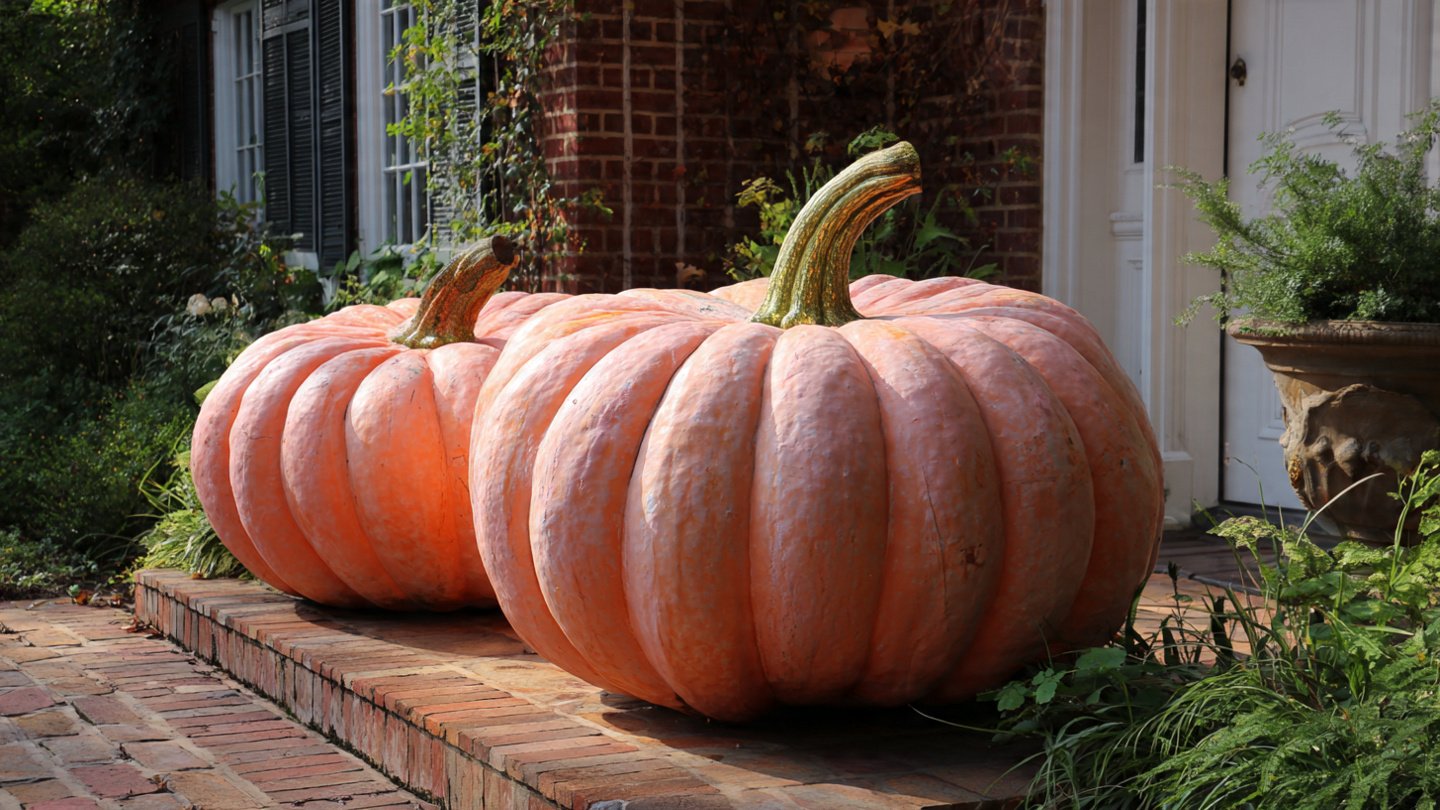
Growing massive pumpkins can be a rewarding and thrilling experience, especially as Halloween approaches. Every year, pumpkin enthusiasts aim to cultivate gigantic specimens to showcase at fairs or to use as impressive decorations for Halloween. But what are the secrets behind growing these colossal fruits? This article delves into effective strategies and tips for cultivating massive pumpkins.
1. Choosing the Right Seeds
The first step in your journey to growing gigantic pumpkins is choosing the right seeds. Not all pumpkin varieties grow large. Here are some of the best options:
- Atlantic Giant: This is the most popular variety among giant pumpkin growers. It has the potential to exceed 1,000 pounds.
- Big Max: Ideal for beginners, this variety can reach 100-300 pounds with the right care.
- Prizewinner: Another heavy-hitter, known for its impressive size and seasonal stability.
When purchasing seeds, look for reputable suppliers who specialize in giant pumpkin varieties.
2. Preparing the Soil

Soil quality is crucial for growing massive pumpkins. Here’s how to optimize your soil:
- Location: Choose a sunny spot with at least 6-8 hours of direct sunlight.
- Soil Type: Pumpkins thrive in loamy, well-drained soil rich in organic matter. A pH level between 6.0 and 6.8 is optimal.
- Soil Testing: Conduct a soil test to check nutrient levels and amend as needed with compost or organic fertilizers.
- Tilling: Till the soil to a depth of at least 12 inches to improve aeration and drainage.
3. Proper Planting Techniques
Once your soil is prepared, it’s time to plant the seeds. Follow these steps for best results:
- Spacing: Plant seeds at least 5-6 feet apart to provide ample room for growth.
- Sowing Depth: Plant seeds 1-2 inches deep.
- Watering: Water the seeds thoroughly after planting, but avoid overwatering. Consistent moisture is key, but soggy soil can cause root rot.

4. Nurturing the Plants
Proper care after planting is essential for growing massive pumpkins. Here are some care tips:
- Fertilization: Use a balanced fertilizer high in potassium and phosphorus to encourage fruit development. Consider using organic solutions for a sustainable approach.
- Watering: Pumpkins require about 1 inch of water per week. Drip irrigation systems can be a good investment to maintain consistent moisture levels without over-saturating the soil.
- Pest Control: Watch for pests like aphids and squash bugs. Insecticidal soap or organic treatments can help keep them at bay.
- Weed Management: Weeds compete for nutrients and water. Regularly remove weeds and consider using mulch to suppress their growth.
5. Supporting the Fruit
Once your pumpkin starts to grow, it’s essential to provide support to prevent damage:
- Check the Fruit: As the pumpkin grows, regularly monitor its size.
- Use a Platform: Placing a piece of plywood or straw under the pumpkin can prevent it from rotting from the bottom.
- Support with Slings: For extra-large specimens, consider using slings made from fabric or old towels to support the weight as it grows.

6. Timing Your Harvest
Timing is critical for harvesting your pumpkins. Most pumpkins are ready for harvest in September or October. Consider the following:
- Color Change: Your pumpkin should have a deep, vibrant color.
- Stem Condition: The stem should be hardened and brown to indicate it has matured.
- Sound Test: Tap the pumpkin, and if it sounds hollow, it’s typically ready for harvest.
7. Preparing for Halloween
Once harvested, storing and displaying your pumpkin is the final step. Here are some recommendations:

- Storage: Keep your pumpkin in a cool, dry place to extend its shelf life.
- Carving: When it comes to Halloween, showcase your creativity by carving the pumpkin. Use sharp tools and be cautious while working.
Conclusion
Growing massive pumpkins for Halloween can be an enjoyable and fulfilling experience. By selecting the right seeds, preparing the soil, nurturing the plants, and carefully managing the growing process, you can reap the rewards of your hard work. Remember that patience and care are key—there are no shortcuts in nature. Engage with local pumpkin-growing communities to share tips, techniques, and experience. Happy pumpkin growing!
FAQs
1. How long does it take for pumpkins to grow?
Pumpkins generally take about 90 to 120 days from seed to harvest, depending on the variety.
2. Can I grow pumpkins in containers?

Yes, but for massive varieties, it’s recommended to use large containers that can hold enough soil and moisture. Standard pots are typically too small.
3. What is the best fertilizer for pumpkins?
A fertilizer high in nitrogen and potassium, with a balanced mix for nutrients, is ideal. Organic compost can also be beneficial.
4. How do I prevent pests from damaging my pumpkins?
Implementing integrated pest management techniques, such as attracting beneficial insects, using row covers, and organic pesticides, can help protect your pumpkins.