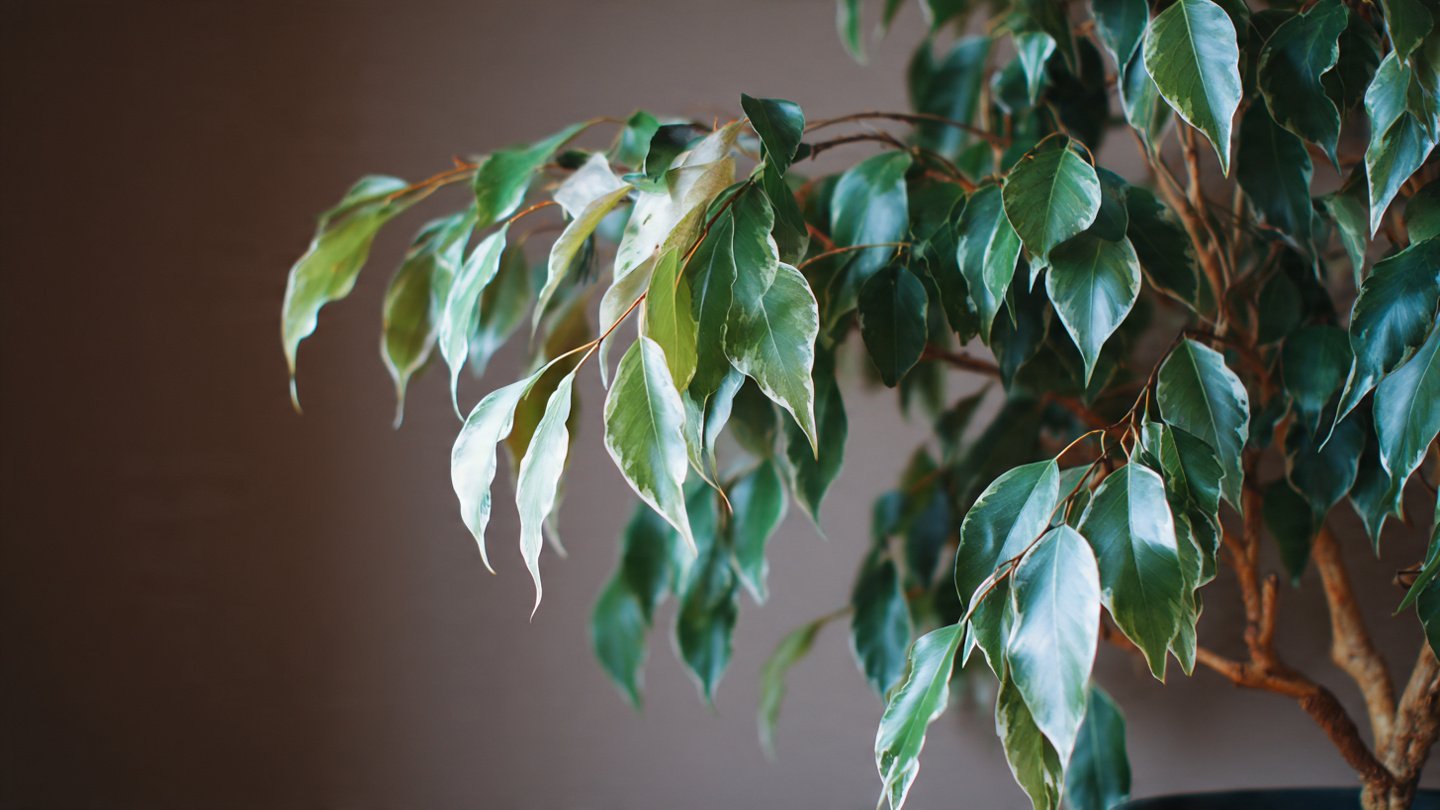
The Ficus Benjamina, commonly known as the weeping fig, is a popular indoor plant valued for its lush green foliage and elegant appearance. However, one common issue that many enthusiasts face is the shedding of leaves. This can be alarming for plant owners, as it often signals distress. Understanding the causes of leaf drop is crucial to providing proper care and ensuring your Ficus thrives. In this article, we’ll explore the potential reasons behind leaf shedding in Ficus Benjamina and what you can do about it.
Understanding Leaf Shedding in Ficus Benjamina
Leaf shedding is a natural process for many plants, including Ficus Benjamina. However, when it happens excessively, it can be a sign of underlying issues. Here are some common reasons your Ficus might drop its leaves:
1. Environmental Stress
Environmental conditions play a significant role in the overall health of your Ficus. Factors that can cause stress include:
- Temperature Fluctuations: Ficus plants prefer a stable environment. Sudden changes in temperature, such as drafts or heat sources, can lead to leaf drop.
- Humidity Levels: Low humidity can dry out the leaves, causing them to fall off. Ficus Benjamina thrives in higher humidity levels.
- Light Conditions: Insufficient or excessive light can also stress the plant. While Ficus prefers bright, indirect light, direct sunlight can scorch its leaves.
2. Overwatering or Underwatering
Watering is a critical aspect of plant care, and both overwatering and underwatering can lead to leaf drop. Here’s how each affects your Ficus:

- Overwatering: This can lead to root rot, a condition that affects the plant’s ability to absorb nutrients and water, resulting in leaf drop.
- Underwatering: Conversely, if the soil becomes too dry, the plant will struggle to retain moisture and nutrients, causing leaves to fall off.
3. Nutrient Deficiency
If your Ficus isn’t getting the essential nutrients it needs, it may start to shed its leaves. Common deficiencies include:
- Nitrogen: Essential for leaf growth; a deficiency can result in yellowing leaves and leaf drop.
- Iron: An iron deficiency can lead to chlorosis (yellowing of leaf tissue), affecting the overall health of the plant.
4. Pests and Diseases
Various pests and diseases can wreak havoc on your Ficus Benjamina, causing it to lose leaves. Common culprits include:
- Spider Mites: These tiny pests can cause significant damage by sucking sap from the leaves, leading to yellowing and eventual drop.
- Scale Insects: These insects can also affect leaf health; their presence can result in leaf drop as well.
- Fungal Diseases: Fungi can cause root rot and other issues that prevent proper water absorption, leading to leaf drop.
5. Repotting Stress
Ficus Benjamina doesn’t take well to sudden changes in its environment, including being repotted. If you’ve recently changed the pot or the soil, the plant may go into shock, leading to leaf drop. It’s essential to give it time to adjust to the new environment.
How to Address Leaf Shedding in Ficus Benjamina
Now that we’ve explored the potential causes of leaf drop, here are some tips on how to address the issue and help your Ficus thrive:

1. Monitor Environmental Conditions
Ensure your Ficus is in a stable environment, away from drafts and extreme temperatures. Consider using a humidity tray or a humidifier if your home is particularly dry.
2. Adjust Watering Routine
Check your watering habits. Ensure you’re watering the plant adequately, allowing the top inch of soil to dry out between waterings. Always ensure proper drainage to prevent root rot.
3. Fertilize Appropriately
Use a balanced, water-soluble fertilizer to provide essential nutrients. Following the package instructions, fertilize during the growing season (spring and summer) to boost your plant’s health.
4. Inspect for Pests
Regularly check the undersides of leaves and the stems for pests. If you find any, treat your Ficus with insecticidal soap or neem oil to eliminate them.

5. Give it Time
If you’ve recently repotted your Ficus Benjamina, give it some time to adjust. Ensure it’s in a suitable potting mix and provide optimal conditions to help it recover.
Conclusion
Leaf shedding in Ficus Benjamina can be concerning, but understanding the underlying causes is the key to addressing the issue. Whether it’s due to environmental stress, watering practices, nutrient deficiencies, pests, or repotting stress, there are measures you can take to help your plant regain its health. Regularly monitor your plant’s conditions and be proactive in its care to enjoy the lush greenery that this beautiful plant offers.
FAQs
1. How often should I water my Ficus Benjamina?
Water your Ficus when the top inch of soil feels dry. Typically, this is about every 1-2 weeks, but it may vary based on your environment.
2. What type of light does my Ficus Benjamina need?
Your Ficus prefers bright, indirect sunlight. Avoid direct sunlight, which can scorch the leaves.

3. How can I increase humidity for my Ficus?
You can increase humidity by misting the leaves, using a pebble tray with water, or placing a humidifier nearby.
4. Can I save my Ficus if it’s been overwatered?
If you catch it early, you can save an overwatered Ficus by allowing the soil to dry out and ensuring it has good drainage.
5. Is leaf shedding always a bad sign?
Not always. Some leaf drop is natural, especially if it’s an older leaf. However, excessive shedding usually indicates an issue that needs addressing.