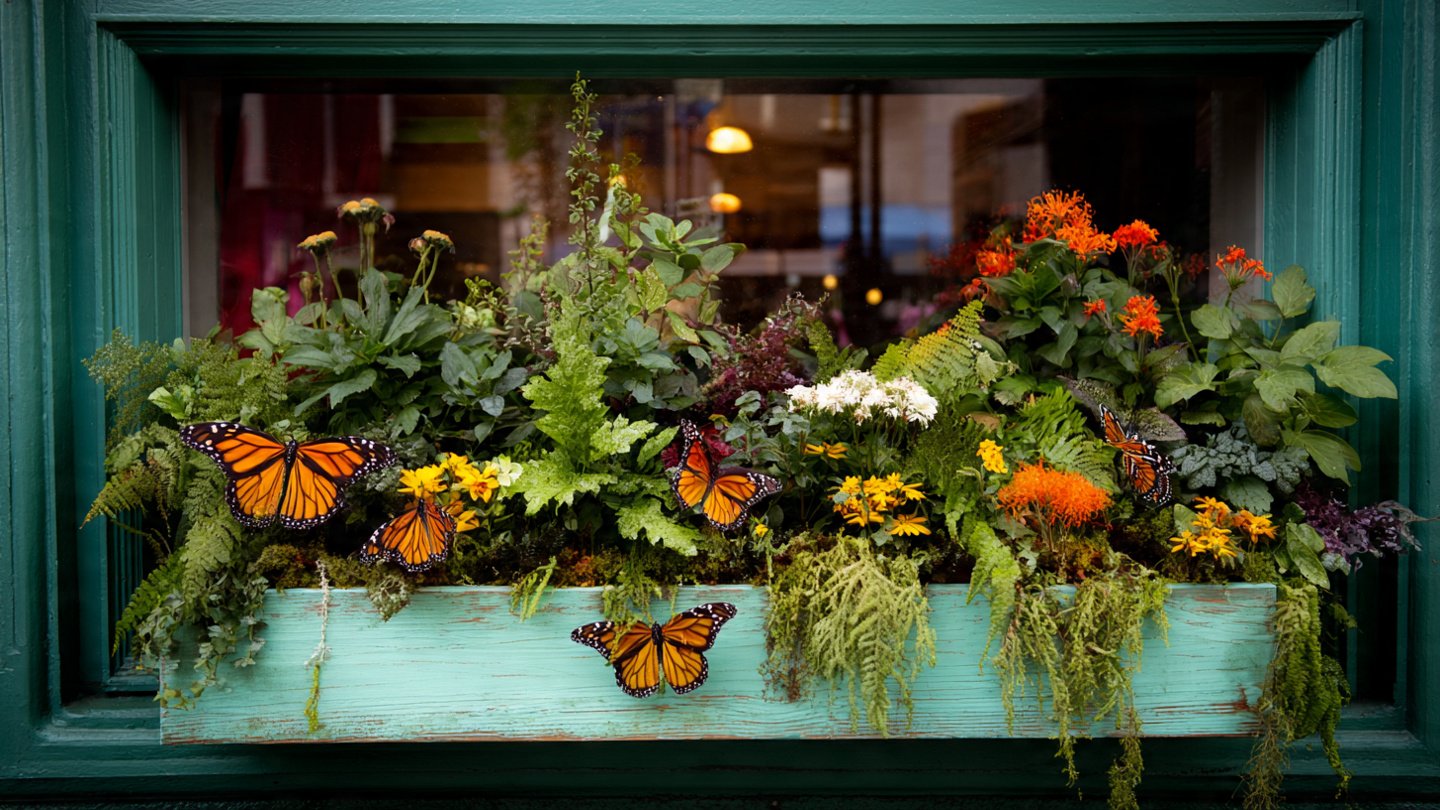
Creating a butterfly sanctuary in your window box not only promotes biodiversity but also adds beauty to your living space. Butterflies are essential pollinators that contribute significantly to the ecosystem. By designing a butterfly-friendly window box, you can play a part in their conservation while enjoying the colorful spectacle they bring. Here’s a comprehensive guide on how to achieve this transformation.
1. Understanding Butterfly Needs
Before you start planting, it’s important to understand the needs of butterflies. There are two main aspects to consider:
- Nectar Sources: Butterflies feed on nectar from flowering plants. Choose plants that produce vibrant flowers in various colors.
- Host Plants: These plants are where butterflies lay their eggs and where caterpillars feed. Each butterfly species has specific host plants.
2. Choosing the Right Plants
Plant selection is crucial for creating a butterfly sanctuary. Here are some categories of plants to include:
Nectar Plants

Nectar plants attract adult butterflies. Consider the following options:
- Milkweed: Essential for monarch butterflies.
- Echinacea (Coneflower): A favorite of many butterfly species.
- Buddleia (Butterfly Bush): Known for attracting a wide variety of butterflies.
- Lavender: Not only aromatic but also appealing to butterflies.
Host Plants
Understanding which host plants to use will depend on the butterfly species native to your area. Some common host plants include:
- Pussy Willow: Favored by tiger swallowtails.
- Fennel: Attracts black swallowtails.
- Parsley: Another host for black swallowtails and a great addition to your culinary herbs.

3. Designing Your Window Box
Now that you have chosen your plants, it’s time to design your window box. Here are some design tips:
- Layering: Place taller plants at the back and shorter ones in front to ensure all plants receive adequate sunlight.
- Color Variety: Choose a mix of colors to attract different butterfly species. Bright colors like yellow, orange, and purple tend to attract more butterflies.
- Seasonal Blooms: Include plants that bloom in different seasons to maintain a food source for butterflies throughout the year.
4. Providing Essential Care
To maintain a thriving butterfly sanctuary, consider the following care tips:
- Watering: Keep the soil consistently moist. A drip irrigation system can work wonders for window boxes.
- Fertilizing: Use organic fertilizers to nourish your plants without harming butterflies.
- Pest Management: Avoid chemical pesticides; use natural pest control methods instead to protect butterflies and other beneficial insects.

5. Creating a Safe Environment
To further enhance your butterfly sanctuary, consider incorporating these features.
- Sunlight: Place your window box in a location that receives at least 6 hours of direct sunlight each day, as butterflies thrive in warm environments.
- Wind Protection: Use sheer curtains or strategic placement of other plants to provide shelter from strong winds.
- Water Sources: Incorporate small bowls of water or shallow dishes with stones for butterflies to land on while drinking.
6. Educating Others
Share your journey of creating a butterfly sanctuary with friends and family. This not only raises awareness about the importance of butterflies but could inspire others to transform their spaces as well.
- Social Media: Post about your butterfly sanctuary on social media to encourage others to contribute to butterfly conservation.
- Garden Clubs: Join or create a community group focused on pollinator gardens and share tips and resources.

Conclusion
Transforming your window box into a butterfly sanctuary is a rewarding endeavor that benefits both the environment and your personal space. By selecting the right plants, providing care and attention, and creating a welcoming habitat, you can attract these beautiful creatures and contribute to their survival. Every small action counts in the fight for biodiversity, and your window box can become a small yet impactful part of the solution.
FAQs
1. How long does it take to attract butterflies to my window box?
Butterflies may start visiting your window box as soon as flowers begin to bloom. However, it can take several weeks or even months for your garden to become a well-established safe haven for them.
2. Do I need to use organic methods for planting and care?
While it’s not a requirement, using organic methods is recommended. Chemical pesticides can harm butterflies, limiting the effectiveness of your sanctuary effort.
3. What if I don’t have much sunlight in my area?

While most butterflies prefer full sun, some plants do well in partial shade. Research shade-tolerant plants that provide nectar and host plants for local butterfly species.
4. Can I grow butterfly-attracting plants in pots if I don’t have a window box?
Absolutely! Any container can be used to create a butterfly-friendly habitat. Just ensure that containers have adequate drainage and sunlight.
5. Will all butterflies visit my garden?
Not all butterfly species will visit every garden. Focus on plants native to your area to attract the local butterfly population effectively.