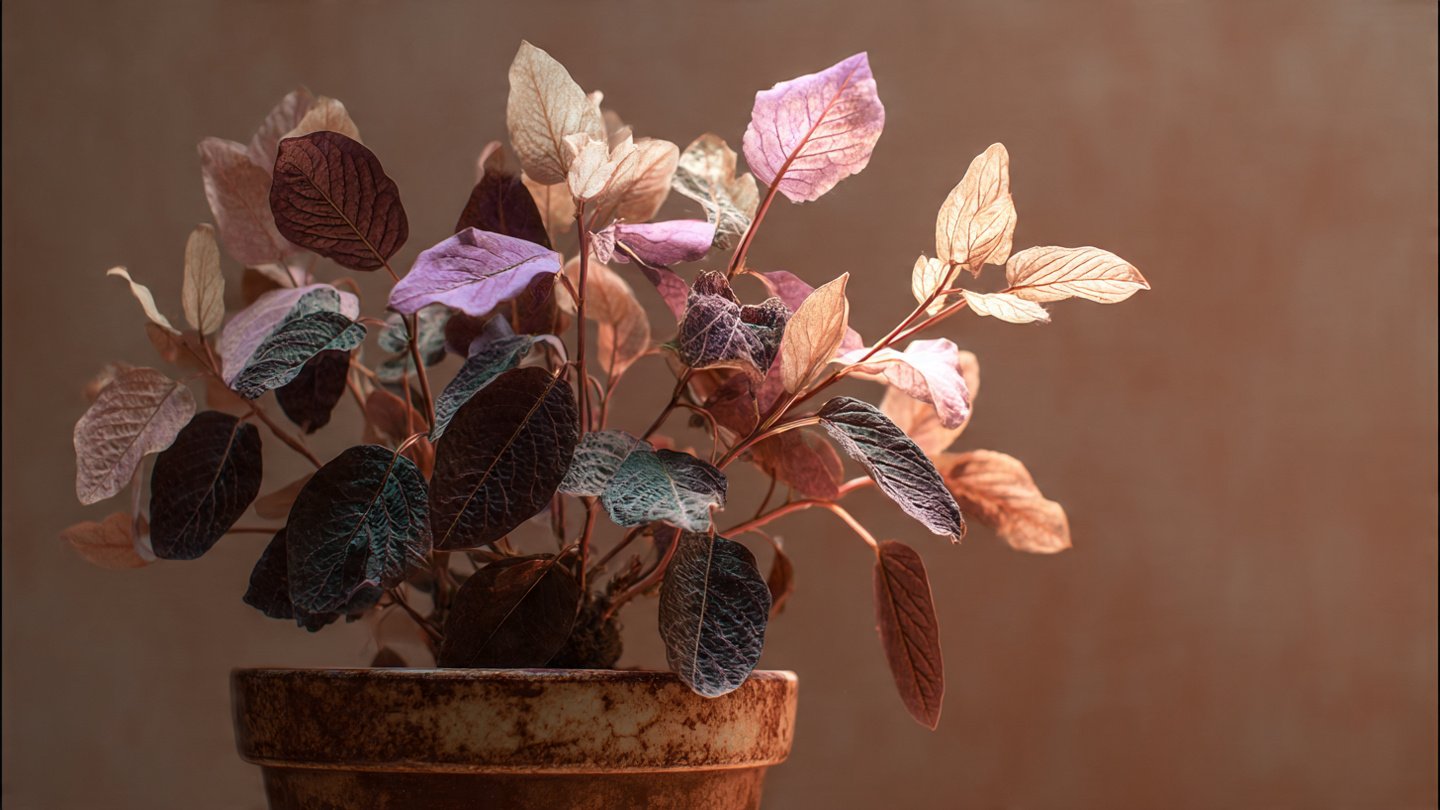
Maintaining the beauty of your potted plants can sometimes feel like a daunting task, especially when dust begins to accumulate on their leaves. Not only is a dusty plant unsightly, but it can also hinder its growth by blocking sunlight and reducing photosynthesis. Keeping your potted flower leaves dust free doesn’t have to be complicated. With a few simple tricks, you can ensure your plants remain vibrant and healthy. Below, we’ll explore effective methods to keep your potted flowers pristine.
1. Regular Dusting
The simplest solution is to regularly dust the leaves of your potted plants. Use a microfiber cloth or a soft brush to gently remove dust. Microfiber cloths are particularly effective because they can trap dust rather than just moving it around.
- Frequency: Aim to dust your plants at least once a week.
- Technique: Gently wipe the leaves, starting at the base and moving to the tip to prevent damaging fragile leaves.
2. Showering Your Plants
A more thorough method for cleaning leaves is to give your plants a shower. This method is particularly effective for larger plants with big leaves.
- How-To: Place your plant in a bathtub or shower, and use lukewarm water to rinse off the leaves.
- Frequency: Depending on your home environment, this can be done every 2-4 weeks.

3. Using Natural Solutions
Natural cleaning solutions can provide an extra boost to your plant care routine. Consider mixing a gentle solution of water with a few drops of dish soap or lemon juice.
- Dish Soap Solution: Mix a teaspoon of liquid dish soap in a quart of water. Use a cloth to wipe the leaves with this solution, then rinse with clean water.
- Lemon Juice Solution: Mix equal parts lemon juice and water, apply to the leaves, and wipe clean for a natural shine.
4. Use Leaf Shine Products
If you’re looking for a quick fix, consider purchasing a commercial leaf shine product. These products are designed to provide a glossy finish to leaves and can help repel dust.
- Application: Follow the manufacturer’s instructions, usually applying with a soft cloth.
- Caution: Use these products sparingly, as they can clog pores on the leaves if over-applied.
5. Appropriate Plant Placement
Where you place your potted plants can significantly impact how much dust they collect. Consider the following tips:

- Avoid Dusty Areas: Keep plants away from vents, open windows, or areas with heavy foot traffic that can stir up dust.
- Opt for Shady Spots: If possible, choose spots that provide filtered sunlight to prevent excessive dust accumulation.
6. Enhance Indoor Air Quality
Improving the overall air quality in your home can reduce dust buildup on plants. Here are some tips to consider:
- Regular Cleaning: Dust your home regularly to minimize the amount of dust that can settle on your plants.
- Air Purifiers: Consider using air purifiers that can help filter out dust particles.
7. Humidity Control
Maintaining appropriate humidity levels can help keep dust from settling on your plants. Consider these strategies:
- Humidifiers: During dry seasons, using a humidifier can help maintain moisture in the air.
- Grouping Plants: Placing plants close together can create a micro-humid environment, helping to keep dust at bay.

8. Regular Fertilization and Soil Care
Healthy plants are less prone to dust accumulation. Proper feeding and soil maintenance can promote robust growth, reducing the chance of dust buildup.
- Fertilize Monthly: Use a balanced fertilizer during the growing season for optimal growth.
- Repotting: Consider repotting your plants every 1-2 years to refresh the soil and promote healthy growth.
9. Monitor Pest Activity
Pests can create a sticky residue on leaves, attracting dust. Keeping an eye on your plants for any signs of pests will help keep your leaves clean.
- Inspect Regularly: Check the undersides of leaves and stems for any signs of pests.
- Treat Early: Use insecticidal soap or neem oil to treat any infestations quickly.
10. Educate Yourself About Your Plants
Different plants have different needs. Some might require more care than others to keep their leaves dust-free. Researching specific care needs can help maintain plant health.

- Understand Leaf Type: Glossy leaves may need different care than matte leaves.
- Specific Requirements: Some plants may prefer more humidity or sunlight, which can impact dust accumulation.
Conclusion
Keeping your potted flower leaves dust-free is essential for maintaining their health and beauty. By incorporating regular dusting, suitable cleaning solutions, and paying attention to your plants’ environmental needs, you can create an optimal condition for thriving foliage. Remember, a little effort can go a long way in ensuring your potted plants remain vibrant and lively.
FAQs
1. How often should I dust my potted flower leaves?
It’s recommended to dust your potted flower leaves at least once a week to prevent excessive buildup.
2. Can I use regular cloths to clean my plants?
While you can use regular cloths, microfiber cloths are preferred as they trap dust more effectively and are less likely to scratch the leaves.
3. Are commercial leaf shine products safe for all plants?
While many are, it’s essential to read the label and ensure it’s suitable for your specific plants, as some can cause leaf damage if misapplied.

4. Is spraying water on leaves enough to keep them clean?
While misting can help, it’s not a complete solution. Combining misting with regular cleaning methods is more effective for dust removal.
5. What should I do if my plant leaves attract pests?
Monitor your plants closely and treat any pest issues promptly with insecticidal soap or neem oil to prevent further damage.