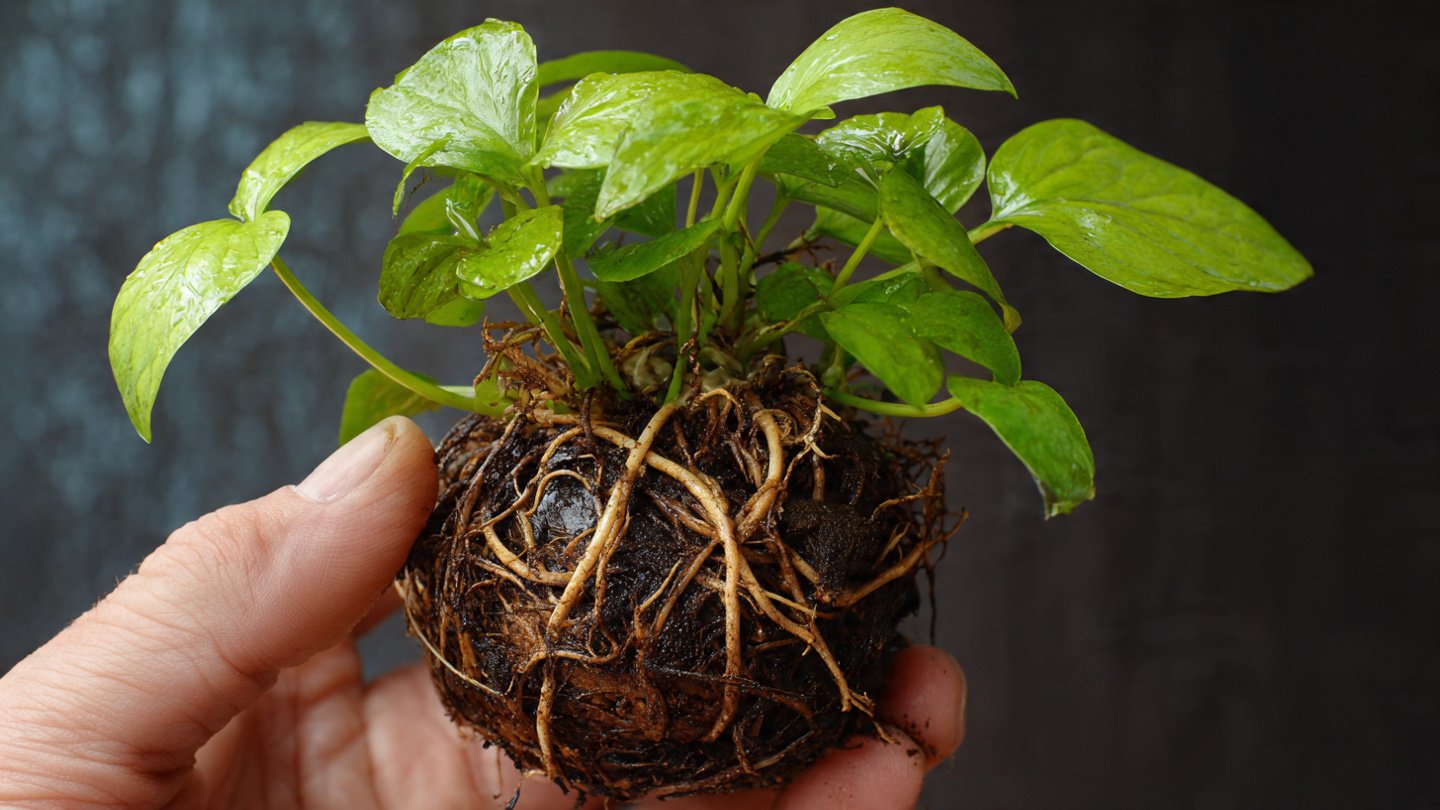
The world of gardening has undergone a significant transformation in recent years, with more individuals leaning towards organic methods of propagation and cultivation. An essential aspect of gardening, particularly when it comes to propagating plants, is the ability to encourage roots to grow successfully. While synthetic rooting agents have been widely used, the growing trend towards sustainability and organic farming practices has sparked interest in natural rooting stimulants that can be easily developed at home. This article explores how you can grow your own natural rooting stimulant and the benefits it can bring to your gardening practices.
Understanding Rooting Stimulants
Rooting stimulants are substances that promote the development of plant roots. They encourage the growth of new roots from cuttings or seedlings, enhancing the likelihood of successful propagation. These stimulants can either be synthetic or natural. Synthetic options often contain synthetic auxins that speed up the rooting process, but they can sometimes lead to undesirable side effects and environmental concerns.
Natural rooting stimulants, on the other hand, offer a more organic alternative, leveraging the power of nature to enhance root growth. Many gardeners are discovering that they can make effective rooting hormones using common kitchen scraps or garden leftovers, which can be a sustainable and cost-effective approach to gardening.
Benefits of Natural Rooting Stimulants
Using natural rooting stimulants offers several advantages:
- Safety: Natural rooting stimulants are generally non-toxic and safe for both your plants and the environment.
- Cost-Effective: Many ingredients can be sourced from what you already have at home or in the garden.
- Ease of Use: Creating natural rooting hormones is often straightforward and requires minimal effort.
- Improved Plant Health: Natural alternatives can promote overall plant vitality and establish a healthy root system.

Common Natural Rooting Stimulants You Can Grow
There are several natural ingredients that can serve as rooting stimulants. Here are a few popular options that you can easily grow or find at home:
1. Willows
Willow trees are one of the most well-known sources of natural rooting hormones. The bark and twigs contain a natural auxin called indolebutyric acid (IBA), which encourages root development.
To create a willow rooting hormone, you can:
- Collect branches from a willow tree.
- Soak the cuttings in water for 24 hours.
- Use the water to soak your plant cuttings before planting.
2. Honey
Honey contains natural antibacterial and antifungal properties, making it an excellent rooting agent. While not a hormone, its sticky properties can help maintain moisture around your cuttings and promote root growth.

To use honey as a rooting stimulant:
- Dissolve two tablespoons of honey in a cup of warm water.
- Use this solution to soak your cuttings before planting.
3. Cinnamon
Cinnamon is another natural option that has antifungal properties and has been shown to help with root development. It also can help prevent diseases from affecting your cuttings.
To use cinnamon:
- Mix cinnamon powder with water to create a thick paste.
- Dip the ends of your cuttings into the paste before planting.
4. Aloe Vera

Aloe Vera is rich in vitamins, enzymes, and amino acids, all of which help promote healthy root development. Its gel-like substance can be directly applied to cuttings.
To use Aloe Vera:
- Slice open an Aloe Vera leaf and extract the gel.
- Dip the cuttings into the gel before planting.
5. Green Tea
Green tea is not only a healthy beverage but also a fantastic rooting stimulant. It contains potassium, which plays a vital role in root development.
To use green tea:
- Brew a cup of green tea and let it cool.
- Soak your cuttings in the tea before planting.

How to Use Natural Rooting Stimulants Effectively
Using natural rooting stimulants effectively can significantly enhance your propagation success. Here are some tips:
- Ensure Healthy Cuttings: Start with healthy, disease-free cuttings.
- Proper Preparation: Remove any excess leaves or branches to encourage the focus on root growth.
- Moisture Control: Keep the cuttings moist but avoid overwatering, as this can lead to rot.
- Patience: Rooting can take time; be patient and provide proper care during the process.
Conclusion
Growing your own natural rooting stimulant at home is not only feasible but also beneficial for your gardening practice. By using readily available natural ingredients such as willow, honey, cinnamon, Aloe Vera, and green tea, you can encourage healthy root development and promote overall plant health. As the trend toward sustainable gardening continues to grow, more gardeners are embracing these organic methods, which are not only environmentally friendly but also cost-effective. Start experimenting with these natural methods, and watch your plants thrive in healthier, more sustainable ways.
FAQs
1. Can I use store-bought rooting hormones instead of natural ones?
Yes, store-bought rooting hormones contain synthetic auxins, which can effectively promote root growth. However, using natural methods can be safer and more environmentally friendly.

2. How long does it take for cuttings to root using natural stimulants?
Rooting time can vary depending on the plant species and conditions, but it typically takes anywhere from a few weeks to a couple of months for roots to develop.
3. Are natural rooting stimulants effective for all plant types?
Most plants respond well to natural rooting stimulants, but results may vary. It is advisable to research the specific needs of the plants you are propagating.
4. How often should I apply natural rooting stimulants?
You typically only need to use the rooting stimulant once when preparing your cuttings. After planting, ensure that the environment is conducive to root growth.
5. Can I grow my own rooting stimulant plants indoors?
Yes, many of the plants mentioned, like Aloe Vera and even some willows, can be grown indoors as long as they receive sufficient light and care.