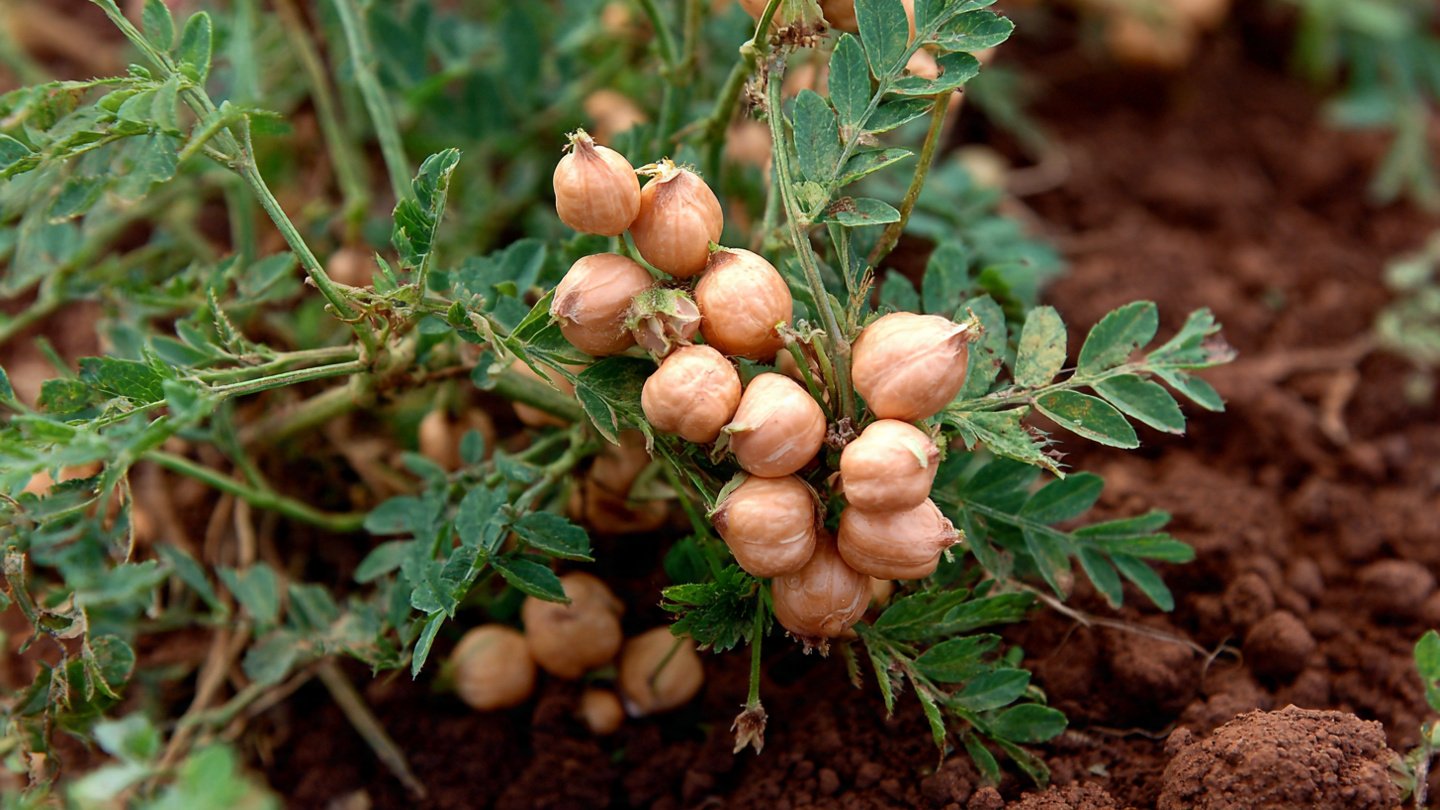
Growing your own chickpeas in a small plot can be both rewarding and beneficial for various reasons. Chickpeas are versatile legumes that not only enrich our diets but also offer economic and environmental advantages. If you’re considering a small gardening project or just want to enhance your self-sufficiency, here are compelling reasons to grow chickpeas.
1. Nutritional Benefits
Chickpeas are a great source of protein, fiber, vitamins, and minerals. Here are some nutritional highlights:
- Rich in protein: Chickpeas are an excellent plant-based protein source, crucial for vegetarians and vegans.
- High in fiber: They aid in digestion and help maintain a healthy gut.
- Packed with vitamins: Chickpeas provide essential vitamins like B-vitamins, vitamin K, and folate.
- Mineral content: They are rich in iron, magnesium, phosphorus, and zinc, supporting overall health.
By growing your own chickpeas, you can enjoy fresh, organic legumes right from your garden, ensuring you receive maximum nutrients without any preservatives or chemicals.
2. Cost-Effectiveness

Buying organic chickpeas at the store can add up quickly. By growing your own, you save on grocery bills and reduce packaging waste. A small plot can yield a significant amount, and once established, chickpeas require minimal input. Over time, the cost of seeds and minimal maintenance becomes negligible, leading to considerable savings.
3. Sustainable Gardening Practice
Growing chickpeas contributes to sustainable agriculture in several ways:
- Soil Fertility: Chickpeas are nitrogen-fixing plants. They improve soil quality by converting atmospheric nitrogen into a form usable by plants, enhancing soil fertility for future crops.
- Water Efficiency: Chickpeas are drought-tolerant and require significantly less water than many other crops, making them an environmentally-friendly choice.
- Pest Resistance: They can help deter pests, reducing the need for chemical pesticides in the garden.
By choosing to grow chickpeas, you participate in environmentally responsible practices that promote biodiversity and sustainability in your local ecosystem.
4. Culinary Versatility
Chickpeas are known for their culinary versatility. From traditional dishes like hummus and falafel to innovative recipes such as salads, soups, and stews, the possibilities are endless. Once harvested, you can choose to:

- Use them fresh in salads and dishes.
- Dry them for storage and later cooking.
- Use them in flour form for baking and thickening sauces.
Having fresh chickpeas at your disposal allows you to experiment in the kitchen and incorporate healthier options into your meals.
5. Educational Opportunities
Starting a small plot of chickpeas offers valuable learning experiences, especially for families with children. Gardening teaches essential life skills such as:
- Responsibility: Taking care of plants requires daily attention and care.
- Patience: Watching plants grow and understanding the growing cycle can cultivate patience.
- Science: Children can learn about plant biology, ecosystems, and nutrition in a hands-on way.
By engaging in gardening, you foster a sense of community and connection to the food you consume.

6. Space Efficiency
Chickpeas can thrive in limited space, making them an ideal choice for small gardens, community plots, or even container gardening. With their ability to climb, you can maximize vertical gardening spaces while still reaping a generous harvest. Here’s why they work well in tight spaces:
- Vertical growth: Utilizing trellises allows you to save ground space.
- Short growing season: Chickpeas typically grow within three to four months, making them suitable for quick turnovers in small plots.
7. Community Engagement
Growing chickpeas can also foster community engagement. You can:
- Share your harvest with neighbors, thereby creating a sense of community.
- Organize gardening clubs or workshops to educate others on healthy eating and sustainable practices.
Engagement in communal gardening can be both fulfilling and a great way to meet like-minded individuals.

Conclusion
In conclusion, growing your own chickpeas in a small plot can significantly benefit your health, your wallet, and the environment. Their nutritional value, cost-effectiveness, and sustainability align perfectly with many individuals’ goals in today’s world. The culinary versatility and educational opportunities they offer, along with the ability to engage with your community, make chickpeas an excellent crop choice for gardening enthusiasts and beginners alike. Start your chickpea-growing journey today, and enjoy the many rewards of cultivating this fantastic legume!
FAQs
1. How much space do I need to grow chickpeas?
You can grow chickpeas in as little as a few square feet. They thrive in well-draining soil and require minimal space, making them suitable for small gardens or containers.
2. When is the best time to plant chickpeas?
Chickpeas are typically planted in early spring after the last frost. They prefer cooler temperatures and thrive best when the temperature ranges from 60-75°F (15-24°C).
3. How do I care for my chickpeas once planted?
Water them regularly, ensuring the soil remains moist but not waterlogged. Chickpeas generally require little maintenance aside from monitoring for pests.

4. Can I grow chickpeas in containers?
Yes, chickpeas can be grown in containers as long as they have enough space for root development and proper drainage. Choose a pot that is at least 12 inches deep.
5. How do I harvest chickpeas?
Chickpeas are typically ready for harvest when the pods have turned yellow and dry. Gently pull up the plants, and remove the chickpeas from the pods by hand or using a small tool.