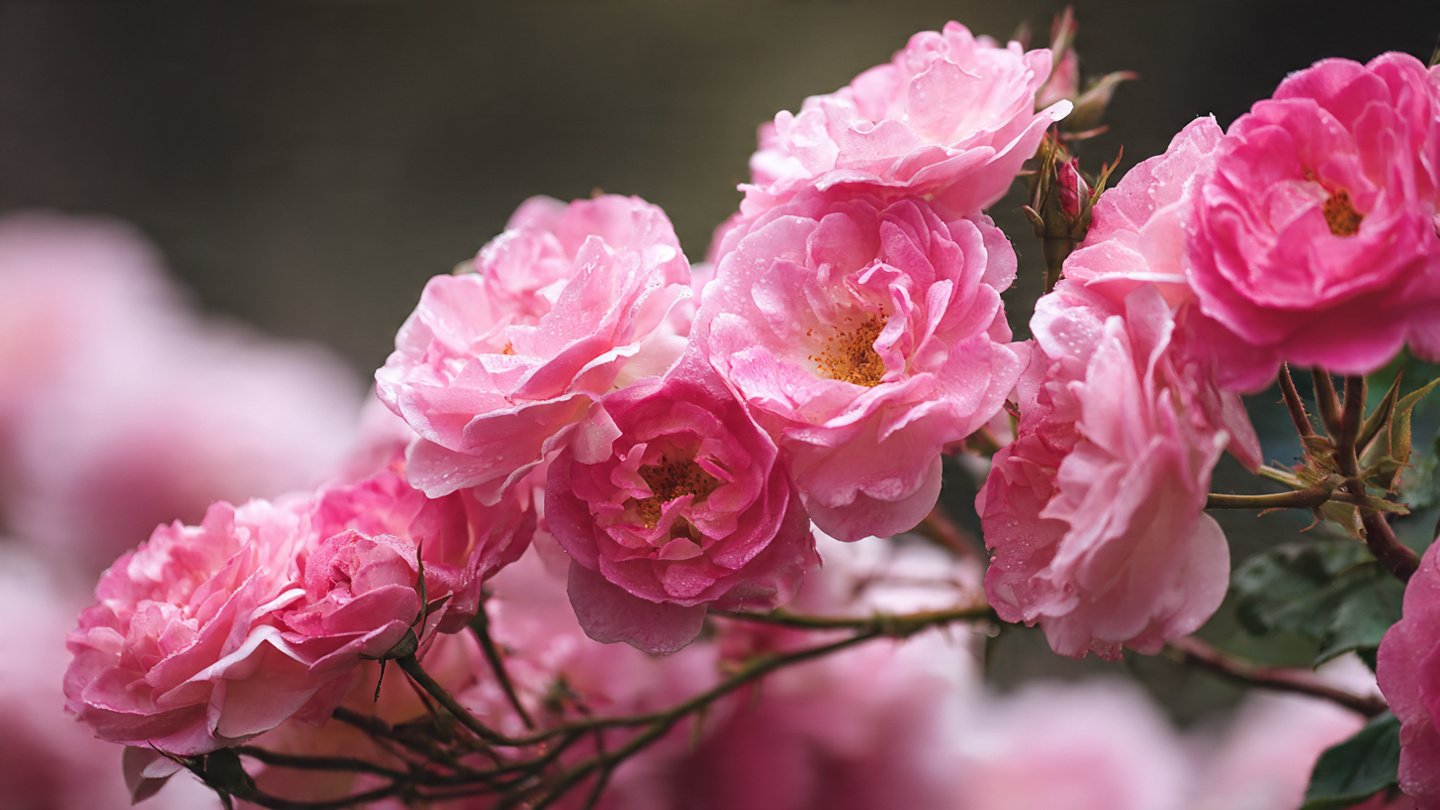
Roses, often considered the epitome of beauty in the floral world, require regular care to maintain their breathtaking blooms. One of the most essential practices in rose cultivation is pruning. While it may seem counterintuitive to cut back a plant to promote growth, understanding the dynamics of how pruning works reveals why it significantly enhances the flowering potential of your rose bushes. This article will delve into the benefits of pruning, optimal techniques, and the timing needed to ensure your roses reward you with stunning displays.
The Science Behind Pruning
Pruning involves selectively removing certain parts of the plant, such as stems, branches, or leaves. The primary goal is to improve the plant’s growth and flowering potential. Here’s how that unfolds:
1. Encourages New Growth
When you prune a rose bush, you stimulate new growth. Cutting back old or dead wood encourages the plant to channel its energy into producing new stems and shoots. These new growths are typically healthier and more robust, leading to a better flowering experience.
2. Enhances Air Circulation
Overgrown rose bushes can become crowded, hindering airflow between branches and leaves. Poor air circulation can lead to a host of problems, including fungal diseases and pest infestations. Pruning opens up the center of the bush, allowing air to flow freely and sunlight to reach all parts of the plant. This access helps prevent diseases and encourages the overall health of the bush, leading to more vibrant blooms.
3. Controls Size and Shape

Pruning also allows you to control the size and shape of your rose bushes. By selectively cutting back branches, you can maintain a shape that works within your garden design. A well-structured plant is not only more aesthetically pleasing but also more efficient in energy distribution, which positively impacts its blooming.
4. Removes Weak and Damaged Wood
Throughout the growing season, various environmental factors can cause branches to weaken or become damaged. By regularly pruning away these undesirable sections, you allow the plant to devote its resources to healthier areas. Additionally, removing sick or dead wood prevents the spread of disease, ensuring your blooms are healthy and vibrant.
5. Promotes Flower Production
Roses bloom most prolifically when they are pruned correctly. Pruning encourages lateral budding, which leads to more flowers. By cutting back the stems, you can influence the growth of new shoots that will ultimately produce blooms. Additionally, the removal of spent flowers, or deadheading, prompts the plant to allocate more energy towards creating new flowers rather than sustaining the old ones.
When to Prune Roses
Timing is crucial when it comes to pruning roses. The best time to prune depends on the specific type of rose and the climate in which it is grown. Here are some general guidelines:
1. Early Spring Pruning
For most rose varieties, the best time to prune is in early spring, just as the buds begin to swell but before they bloom. This timing ensures that you cut away winter-damaged wood while allowing the plant the full growing season to recover and energize.

2. Avoid Late Summer Pruning
Avoid pruning late in the summer, as it can stimulate new growth that won’t have enough time to harden off before the onset of colder temperatures. This can make the plant susceptible to winter damage.
3. Deadheading During the Blooming Season
Throughout the blooming season, regularly deadhead spent flowers. This practice encourages the plant to focus energy on producing new blooms, enhancing the overall flowering cycle.
Pruning Techniques
Now that we understand the importance of pruning and the right timing, let’s explore the actual techniques for cutting back your roses.
1. Selecting the Right Tools
Before embarking on pruning, it’s essential to have the proper tools. Invest in a good pair of hand pruners, loppers for thicker stems, and possibly a pruning saw for larger branches. Ensuring your tools are clean and sharp will make a significant difference in the neatness and health of the cuts you make.

2. Identifying What to Cut
When pruning, your focus should be on:
-
Removing Dead, Damaged, or Diseased Wood: Look for branches that are browning, withered, or affected by disease. Remove them down to healthy tissue.
-
Cutting Back Old Growth: This includes older, woody stems that aren’t producing new growth. Cutting these back encourages the plant to produce newer stems that are more vigorous.
-
Trimming for Shape: Maintain a good shape by removing crossing branches that could rub against each other, as well as branches growing inward that can block sunlight and airflow.
3. Making the Cuts
When you make cuts, follow these guidelines:

-
Angle Your Cuts: Make cuts at a 45-degree angle, about 1/4 inch above a bud that faces outward from the center of the plant. This angle helps prevent water from resting on the cut surface.
-
Don’t Overdo It: Aim to remove about one-third of the plant’s height. This conservative approach allows the plant to respond well without experiencing shock.
After Pruning Care
After you have pruned your roses, their care cycle transitions but remains important for blooming success:
1. Fertilization
Immediately after pruning, apply a balanced fertilizer tailored for roses to stimulate growth. This will provide the essential nutrients needed for robust new growth and blooms.
2. Watering
Ensure that your roses receive adequate water, especially after heavy pruning. Regular watering during the growing season will hydrate the plant and promote healthy blooming.

3. Mulching
Applying a layer of mulch helps retain moisture, regulate soil temperature, and suppress weeds. Organic mulch, like shredded bark or wood chips, can also improve soil quality over time.
The Emotional Benefits of Beautiful Blooms
Pruning not only leads to more stunning roses, but there are emotional and psychological benefits as well. Gardening, particularly working with roses, has been shown to reduce stress levels and promote mental well-being. The act of nurturing and watching your plants flourish can be incredibly rewarding. Plus, the aesthetic joy of seeing abundant blooms can brighten any space, lift spirits, and enhance your outdoor experience.
Conclusion
Pruning is undoubtedly a vital practice for any rose enthusiast looking to achieve stunning blooms. Understanding the science behind pruning, incorporating effective techniques, and timing your efforts appropriately will lead to healthier plants, more abundant flowers, and a greater enjoyment of your gardening efforts. With regular care and attention, your roses can become the crown jewels of your landscape, captivating everyone who lays eyes on them. So grab those pruners, and embark on the rewarding journey of rose care—your blooms will thank you!