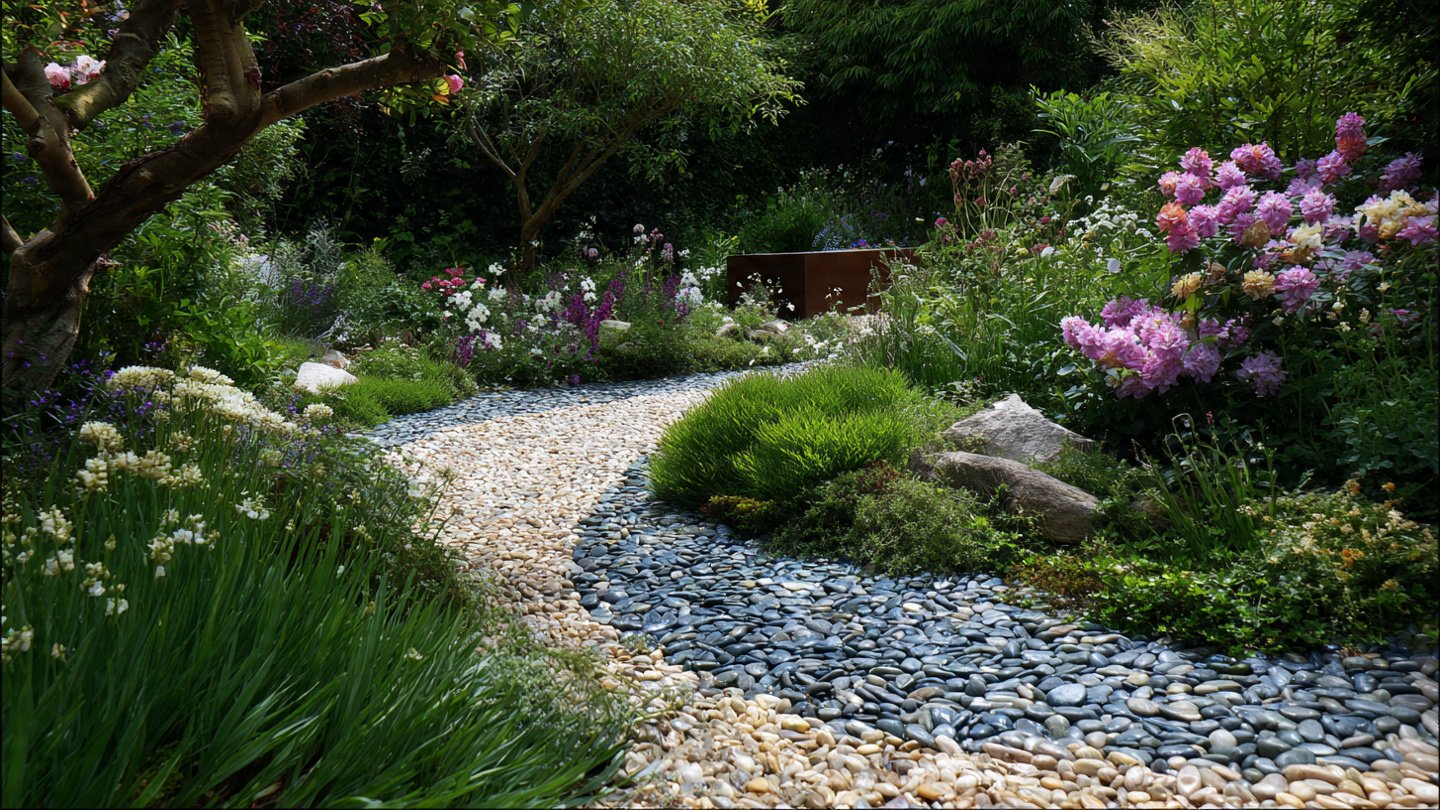
When it comes to gardening, many enthusiasts continuously seek methods to enhance plant growth and overall garden health. One such method that is gaining traction is the use of pebbles as a top layer in garden beds. Not only do pebbles add aesthetic value, but they also serve numerous practical functions. One of the most significant advantages of using pebbles is their ability to retain heat, creating a more favorable microclimate for garden plants. In this article, we will delve into the various reasons why a layer of pebbles can help your garden flourish.
Understanding Heat Retention
What is Heat Retention?
Heat retention refers to the ability of a material to absorb heat during the day and release it gradually during the night. In gardening, this concept is crucial as temperature fluctuations can affect the growth and health of plants. Depending on the region, nighttime temperatures can drop significantly, causing stress to plants that are not adapted to colder conditions.
How Pebbles Retain Heat
Pebbles, being dense materials, have a high thermal mass. This means they can absorb heat during the day when sunlight is abundant. As the sun sets and temperatures drop, the pebbles release stored heat slowly, creating a warmer microenvironment around the plants. This can be particularly useful in cooler climates where nighttime temperatures can be detrimental to plant health.
The Benefits of Heat Retention

1. Extended Growing Season
One of the most notable benefits of using pebbles in your garden is the extended growing season. The heat retained in the pebbles keeps the soil warmer at night, which can lead to earlier plant growth in the spring and prolonged growth in the fall. This is particularly beneficial for heat-loving plants such as tomatoes, peppers, and eggplants, which thrive in warm soil conditions.
2. Improved Soil Health
Pebbles can also aid in improving soil health. By promoting a more stable temperature in the soil, pebbles encourage the beneficial microbial activity that is vital for nutrient breakdown. Warmer soil temperatures can enhance the decomposition process, enabling nutrients to be more readily available to plants.
3. Weed Suppression
A layer of pebbles can also act as a barrier to weeds. The pebbles block sunlight from reaching the soil, inhibiting weed seed germination. This allows your desirable plants to flourish without competition for nutrients and water, providing them with a better chance to thrive.
4. Moisture Regulation
While pebbles don’t directly store moisture like some organic mulches, they do play a role in regulating soil moisture levels. The layer of pebbles helps reduce evaporation, preserving soil moisture. This can be particularly important during hot, dry spells, allowing plants to access consistent water levels.

5. Aesthetic Appeal
Beyond the functional benefits, pebbles enhance the visual appeal of a garden. They add texture and color, providing a beautiful contrast to the greenery of plants. Because pebbles come in various sizes and colors, they can be used creatively to design a garden that reflects your personal style.
Application Techniques for Using Pebbles in Your Garden
Choosing the Right Pebbles
When selecting pebbles, it’s essential to choose the right size and type. Small to medium-sized pebbles (between 1/4 inch to 1 inch) work best as they create a solid layer while still allowing for drainage. Opt for light-colored pebbles if you want to maximize heat absorption, as darker colors absorb more heat.
Layering Technique
For optimal results, consider the following layering technique:
-
Prepare Your Soil: Start with well-aerated and nutrient-rich soil. You may want to mix in compost or organic matter to enhance soil health.
-
Install a Barrier: If desired, lay down a landscaping fabric to suppress weed growth before applying pebbles.
-
Apply the Pebbles: Spread a layer of pebbles about 2 to 3 inches thick over the soil. Ensure an even distribution to maximize heat retention and prevent water pooling.
-
Monitor and Maintain: Periodically check under your pebble layer to ensure that moisture levels are adequate and that your plants are thriving. You can also refresh the pebble layer as needed.
Considerations Before Applying Pebbles
Drainage
While pebbles help with moisture regulation, it’s vital to ensure your garden has proper drainage. If water tends to pool in certain areas, consider adjusting the landscape or incorporating drainage solutions before applying pebbles.
Soil Type
The benefits of heat retention and overall performance can vary based on soil type. Sandy soils, for instance, drain water quickly and may benefit more from heat retention than clay soils, which retain moisture better but can become compacted.
Plant Choices
Selecting the right plants for pebble-mulched gardens is crucial. Plants that thrive in warmer conditions, such as succulents, Mediterranean herbs, and vegetable varieties that favor heat, will benefit most from this technique.
Case Studies: Gardens Thriving with Pebbles
Mediterranean Gardens
Mediterranean gardens, characterized by drought-resistant plants, often employ pebbles as a top layer. The use of pebbles not only complements the native flora but also helps maintain the warm, dry conditions that these plants thrive in. Areas such as California’s coast have successfully implemented this technique to cultivate flourishing gardens.

Xeriscaping
In arid regions, xeriscaping—landscaping that reduces or eliminates the need for irrigation—utilizes pebbles extensively. By placing pebbles around drought-tolerant plants, gardeners create a stable microclimate that reduces water loss while providing the necessary warmth for plant growth.
Conclusion
Incorporating a layer of pebbles in your garden not only enhances its aesthetic appeal but also contributes significantly to creating a favorable environment for plant growth. By retaining heat, regulating moisture, and suppressing weeds, pebbles provide an array of benefits that can lead to a thriving garden.
As gardening trends continue to evolve, methods like these emphasize the importance of optimizing microclimates for better yield and health. Before adapting your garden techniques, consider your climate, soil type, and plant choice, ensuring that the use of pebbles aligns with your overall gardening goals. By doing so, you can enjoy a vibrant and thriving garden that flourishes beyond the ordinary.