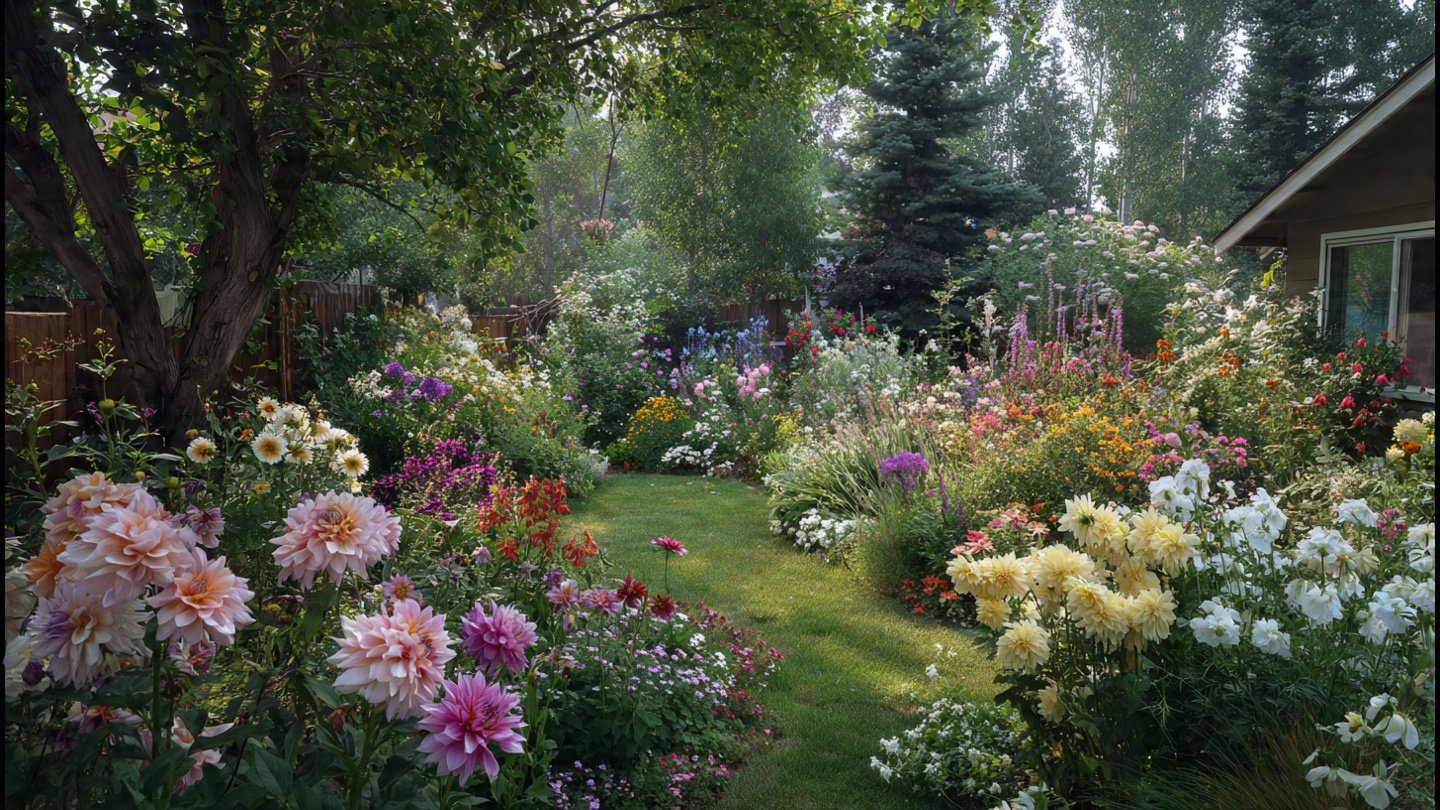
For many gardening enthusiasts, the dream is to create a stunning backyard filled with vibrant flowers without the headache of constant upkeep. Low maintenance gardening allows you to enjoy the beauty of flowers without the stress of high commitment. Knowing which flowers to plant can make a significant difference in your gardening experience.
Benefits of Low Maintenance Flowers
Opting for low maintenance flowers can provide several advantages:
- Time-saving: Spend less time on weeding, watering, and deadheading.
- Cost-effective: Reduce the need for fertilizers, pesticides, and other gardening supplies.
- Eco-friendly: Many low maintenance flowers are drought-resistant and require minimal resources.
- Attractive: They can offer vibrant colors and patterns, enhancing the beauty of your space.

Top Low Maintenance Flowers
1. Coneflower (Echinacea)
Coneflowers are hardy perennials that thrive in a variety of conditions. They are drought-tolerant and attract pollinators like bees and butterflies. With their large, daisy-like blooms, they come in various colors, including pink, purple, and white.
2. Black-eyed Susan (Rudbeckia)
This perennial flower is known for its vibrant yellow petals and dark brown centers. Black-eyed Susans grow well in full sun and can tolerate poor soil conditions. They bloom throughout the summer and into the fall, adding lasting color to your garden.
3. Daylily (Hemerocallis)
Daylilies are tough flowers that can grow in almost any soil type. They have a wide variety of colors and shapes. Once established, they require little maintenance, making them perfect for a low-maintenance garden. Each bloom lasts only a day, but the plant produces plenty of flowers throughout the season.
4. Sedum

Also known as stonecrop, sedum is a succulent that thrives in sunny, dry areas. Its fleshy leaves store water, making it drought-resistant. Sedum plants produce clusters of small star-shaped flowers, attracting bees and butterflies.
5. Lavender (Lavandula)
Lavender not only provides beauty but also a delightful fragrance. It thrives in well-drained soil and full sunlight, making it easy to maintain. Moreover, lavender is drought-resistant and attracts numerous pollinators, enhancing your backyard’s ecosystem.
6. Yarrow (Achillea millefolium)
Yarrow is another hardy perennial that can tolerate poor soil conditions. It produces flat clusters of tiny flowers in various colors, including white, yellow, and pink. Yarrow is drought-tolerant and can be used to make a natural insect repellent tea.
7. Russian Sage (Perovskia atriplicifolia)
This semi-woody perennial is known for its silver-gray leaves and tall spikes of lavender-blue flowers. Russian Sage is drought-tolerant and thrives in full sun, making it an excellent choice for a low maintenance garden.

8. Zinnia
Zinnias are annual flowers that are incredibly easy to grow. They bloom in vibrant colors like red, orange, pink, and yellow, attracting butterflies. Zinnias thrive in full sunlight and can handle heat well, making them ideal for summer gardens.
Planting Tips for a Low Maintenance Garden
To ensure your low maintenance flowers thrive, consider the following tips:
- Choose the Right Location: Select a spot that receives the appropriate amount of sunlight each flower requires.
- Soil Preparation: While these flowers can tolerate poor soil, well-prepared soil will help them flourish. Add organic matter if necessary.
- Mulching: A layer of mulch can help retain moisture, suppress weeds, and improve soil quality.
- Watering: Established plants often require little to no extra watering. However, young plants will need regular watering until they establish roots.
- Fertilization: Most low maintenance flowers do not require heavy fertilization. A light application of compost in the spring is usually sufficient.

Conclusion
Creating a low maintenance garden is an achievable goal, especially when you choose the right flowers. By selecting hardy perennials and vibrant annuals that require minimal care, you can enjoy the vibrant beauty of flowers without dedicating endless hours to maintenance. From coneflowers to zinnias, the options are abundant, allowing you to create a thriving garden space that brings joy without the hassle. Remember, preparation and proper planting can go a long way in ensuring the longevity and health of your garden.
FAQs
1. What are the most low maintenance flowers?
Some popular low maintenance flowers include Coneflowers, Black-eyed Susans, Daylilies, Sedum, and Lavender. These varieties require minimal care and thrive in various conditions.
2. How often should I water low maintenance flowers?
Most low maintenance flowers are drought-resistant and require little watering once established. Young plants will need regular watering until they develop deep roots.

3. Can I use low maintenance flowers in shaded areas?
While many low maintenance flowers prefer full sun, some varieties, like certain types of ferns or hostas, can thrive in shaded areas. Always check the light requirements of specific plants.
4. Do low maintenance flowers attract pollinators?
Yes, many low maintenance flowers, such as Lavender and Coneflowers, attract pollinators like bees and butterflies, benefiting the overall ecosystem.
5. How do I prepare the soil for low maintenance flowers?
To prepare the soil, ensure it drains well and is rich in organic matter. You can improve the quality by adding compost or well-rotted manure before planting.