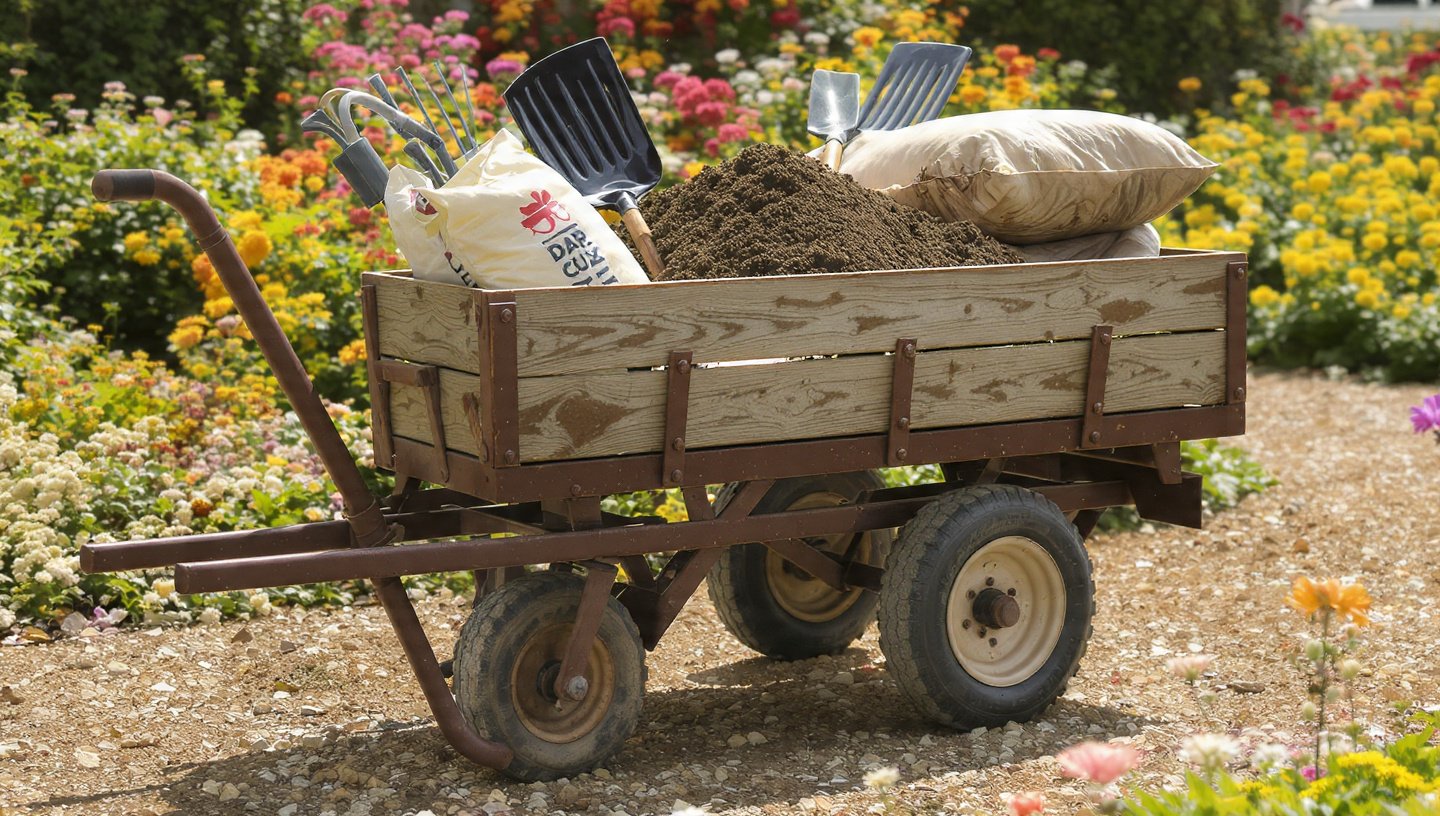
In the world of gardening and landscaping, the ability to transport heavy loads easily is essential. Whether you are hauling soil, plants, mulch, or tools, a garden cart can significantly enhance efficiency. The question that arises is: is a garden cart the secret to effortlessly transporting heavy loads? In this article, we will explore this topic in detail, examining the various benefits, features, and types of garden carts, as well as practical tips for their effective use.
The Advantages of Using a Garden Cart
Garden carts are designed with the user in mind, making them a valuable tool for both amateur and professional gardeners. Here are some significant advantages:
- Easy Transportation: Garden carts are built to carry heavy loads. They often feature large wheels and a sturdy frame that allows users to transport materials over various terrains without straining their backs.
- Versatility: These carts can be used for a variety of purposes, from moving plants to transporting gardening tools or even as a utility cart for outdoor events.
- Time Efficient: A garden cart can save time. Instead of making multiple trips, you can carry more in one go, facilitating a more streamlined work process.
- Durability: Most garden carts are made from high-quality materials designed to withstand outdoor conditions, ensuring they last for years.
- Ergonomic Design: Many models come with features designed to reduce physical strain, such as adjustable handles and lightweight designs.

Types of Garden Carts
Choosing the right garden cart is crucial for effectively transporting heavy loads. Here are some common types:
1. Wheeled Garden Carts
Wheeled garden carts typically feature two or four wheels and are designed for ease of movement. They are perfect for transporting bulk materials across lawns or gardens. The larger the wheels, the better they handle uneven terrains.
2. Foldable Garden Carts
These carts can be easily folded for storage, making them ideal for those with limited space. They are usually lightweight but can still carry significant weight, making them a practical choice for home gardeners.
3. Dump Carts

Dump carts feature a tilting mechanism that allows users to unload their cargo easily. This design is particularly beneficial when transporting heavy soil or mulch, as it minimizes the effort required to dispose of the contents.
4. Garden Trolleys
These are smaller versions of garden carts, often used for carrying lightweight items like pots or small tools. While they can’t carry as much weight as larger carts, they are ideal for quick tasks within small areas.
Key Features to Look For
When choosing a garden cart, consider the following features to ensure it meets your needs:
- Weight Capacity: Determine how much weight you need to transport regularly and choose a cart that can handle that load comfortably.
- Wheel Size: Larger wheels perform better on uneven ground, so opt for bigger wheels if you plan on using your cart across diverse terrains.
- Material: Look for carts made from durable materials such as steel or high-quality plastic. Ensure that the cart can withstand outdoor conditions without rusting or decaying.
- Handle Design: An adjustable handle can offer ergonomic benefits, reducing strain on your back and arms during prolonged use.
- Ease of Storage: If you have limited space, consider foldable options that can be easily stored when not in use.

Tips for Using Your Garden Cart Effectively
To maximize the benefits of your garden cart, follow these practical tips:
- Load Strategically: Distribute weight evenly across the cart to ensure it remains stable while being transported. Heavier items should be placed low and towards the center.
- Use on Level Ground: Whenever possible, keep the cart on flat terrain. If you must use it on uneven ground, take your time to prevent tipping.
- Regular Maintenance: Keep your garden cart in good condition by inspecting it regularly. Check for rust, damage, or wear and tear, and perform necessary repairs to extend its life.
- Utilize Cover: If your cart is exposed to the elements, consider using a cover to protect it from rain or direct sunlight, which can cause materials to deteriorate.

Conclusion
In conclusion, a garden cart can indeed be the secret to effortlessly transporting heavy loads. Its various designs, built-in features, and ease of use make it an indispensable tool for any gardener or landscaper. By selecting the right type of cart for your needs and utilizing it effectively, you can save time, reduce physical strain, and enhance your overall gardening experience. Invest in a quality garden cart today, and experience the transformative effects it can have on your gardening tasks.
FAQs
1. What is the average weight capacity of a garden cart?
Most garden carts can carry between 300 to 1,200 pounds, depending on their design and materials. Always check the manufacturer’s specifications for accurate weight limits.
2. Can I use a garden cart for purposes other than gardening?
Absolutely! Garden carts are versatile and can be used for transporting items for outdoor events, camping supplies, or even moving items around in your garage.

3. How do I clean my garden cart?
Cleaning a garden cart is simple. Rinse it with water, scrub off any dirt or debris with a brush, and use mild soap if necessary. Make sure to dry it thoroughly to prevent rusting.
4. Are garden carts suitable for kids to use?
While kids can help use garden carts for carrying lightweight items, supervision is essential to ensure they use them safely, especially on uneven terrain.
5. How can I store my garden cart during winter?
For winter storage, clean the cart thoroughly and store it in a dry place. If possible, disassemble parts to save space. Consider covering it with a tarp or protective cloth to prevent moisture damage.