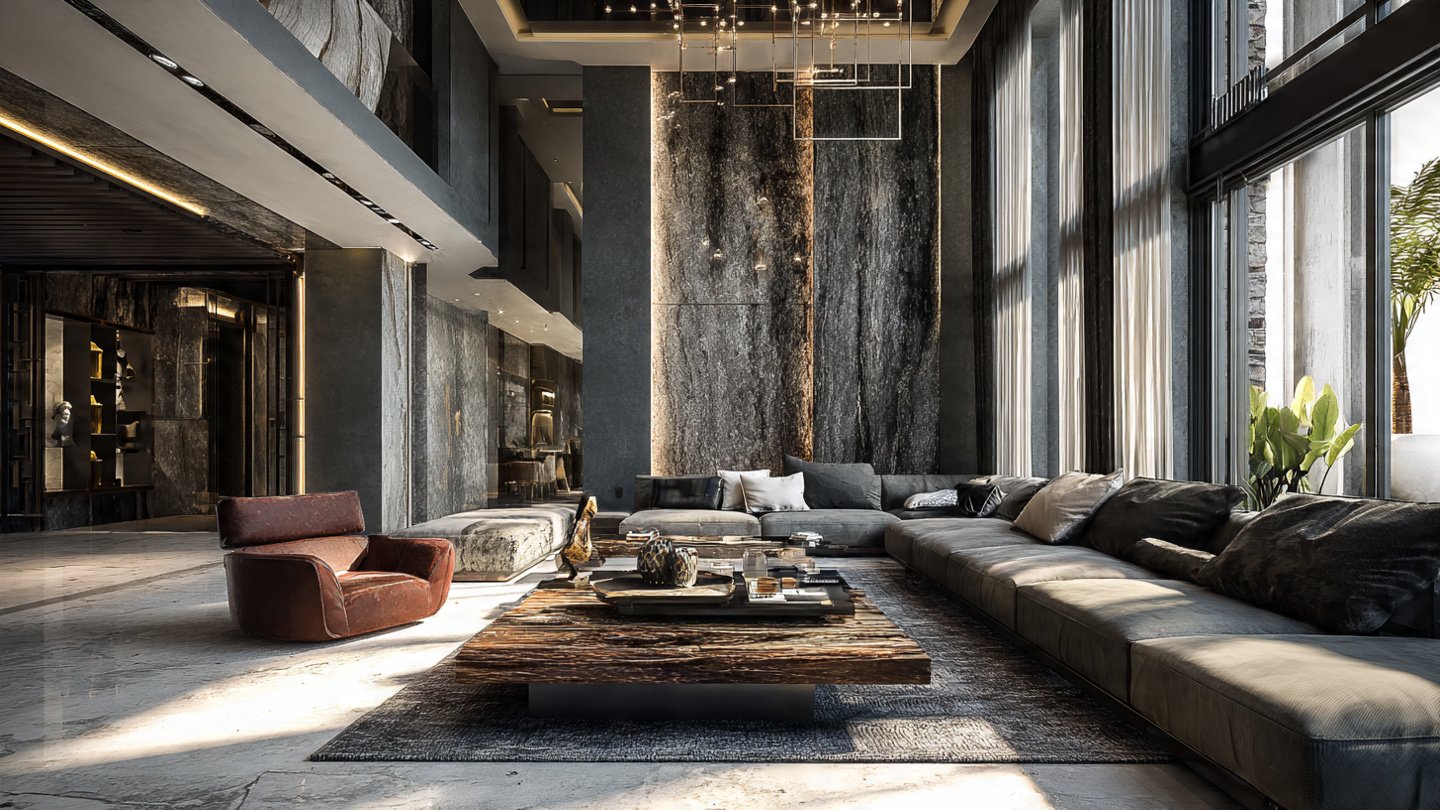
The living room serves as the heart of the home, a space where families gather and guests are entertained. A well-designed living room should not only be functional but also showcase the personality and taste of its inhabitants. In this article, we will explore effective strategies for creating a modern living room that not only looks stunning but also highlights a focal point, making it the centerpiece of your living area.
Understanding Focal Points
A focal point is a specific area or object within a space that draws attention. It serves as the anchor for the room’s design and can be an architectural feature, a piece of furniture, or an arrangement of decor. To create a stunning modern living room, it is essential to choose a focal point that resonates with your style and enhances the overall aesthetic.
Choosing the Right Focal Point
The choice of focal point can drastically influence the mood and functionality of your living room. Here are some popular options:
- Fireplace: A beautifully designed fireplace can serve as a natural gathering spot, creating warmth and comfort.
- A large piece of artwork or a gallery wall can infuse personal style and contribute significantly to the room’s character.
- Furniture: A unique coffee table or an eye-catching sofa can serve as a focal point, drawing the eye while providing function.
- Window Views: If you have stunning views, consider positioning furniture to highlight the windows.
- Accent Walls: A bold paint color or patterned wallpaper can create a striking backdrop that immediately captures attention.

Designing Around the Focal Point
Once you have chosen your focal point, the next step is to design the living room around it. Here are some strategies:
1. Layout Considerations
The arrangement of furniture is crucial in emphasizing your focal point. All seating should be oriented toward the focal point. For example, if your focal point is a fireplace, arrange the sofas and chairs in a semicircle around it to create an inviting atmosphere. Ensure there’s enough space for movement and interaction among your guests.
2. Color Scheme
The color palette you choose can also play a significant role in accentuating your focal point. Use complementary colors to draw attention to it. If your focal point is an artwork, for instance, consider painting the walls in subtle shades that accentuate the colors in the piece without overwhelming it.

3. Layering Textures
Incorporating a variety of textures can add depth and interest to your living room. Pair soft fabrics, like a plush sofa or chenille throws, against a smooth, sleek focal point. This contrast can enhance the visual appeal of both the focal point and the overall design.
4. Lighting Techniques
Lighting is an essential element in highlighting your focal point. Use adjustable lighting, such as spotlights or LED strips, to direct attention to the focal area. Ambient lighting can create a cozy atmosphere, while task lighting can add functional value to spaces like reading nooks formed around the focal point.
Selecting Complementary Furniture and Decor
Once you establish a focal point, it is vital to select complementary furniture and decor that not only enhances the focal point but also contributes to a cohesive design.
1. Choosing the Right Furniture
Opt for furniture pieces that echo the style of your focal point. For a modern focal point, consider mid-century modern styles with sleek lines or minimalist designs. Ensure that your furniture does not compete with the focal point but rather underscores its impact.

2. Decor Accents
Incorporate decorative elements like vases, sculptures, or coffee table books that reflect the theme of your living room. Use these accents to create visual interest without cluttering the space. For instance, if your focal point is a contemporary piece of art, choose decor items that complement its colors and style.
3. Layering Rugs
Area rugs can define spaces and help anchor your focal point within the room. Choose a rug that aligns with the design style of your living room. If your focal point is an eye-catching sofa, select a rug that grounds the area and enhances the overall aesthetic. Layering rugs can also introduce varied textures to the room.
Conclusion
Creating a stunning modern living room that highlights a focal point requires thoughtful consideration of various design elements, from layout and color schemes to complementary furniture and decor. By understanding the importance of a focal point and how to design around it, you can create a living space that is not only beautiful but also functional and inviting. Your living room should reflect your personal style and cater to your lifestyle, making it a true haven for relaxation and entertainment.
Frequently Asked Questions (FAQs)

1. What is the best way to choose a focal point for my living room?
Consider elements that resonate with your style, such as a fireplace, artwork, or an accent wall. Look for items that will draw attention and serve as an anchor for the overall design.
2. How can I ensure my focal point remains a centerpiece?
Design the surrounding space to direct attention towards the focal point. This can be achieved through layout, lighting, and the use of complementary colors and textures.
3. Is it necessary to have a single focal point in my living room?
While a single focal point is often most effective, you can have multiple points of interest. Just ensure they work harmoniously together without competing for attention.

4. Can I change my living room’s focal point over time?
Absolutely! Changing decor, artwork, or furniture can provide a fresh look and alter the focal point of your living room whenever you desire.
5. What role does lighting play in emphasizing my living room’s focal point?
Lighting can dramatically affect how a focal point is perceived. Use different lighting techniques to highlight specific areas, creating shadows and depth that draw the eye.