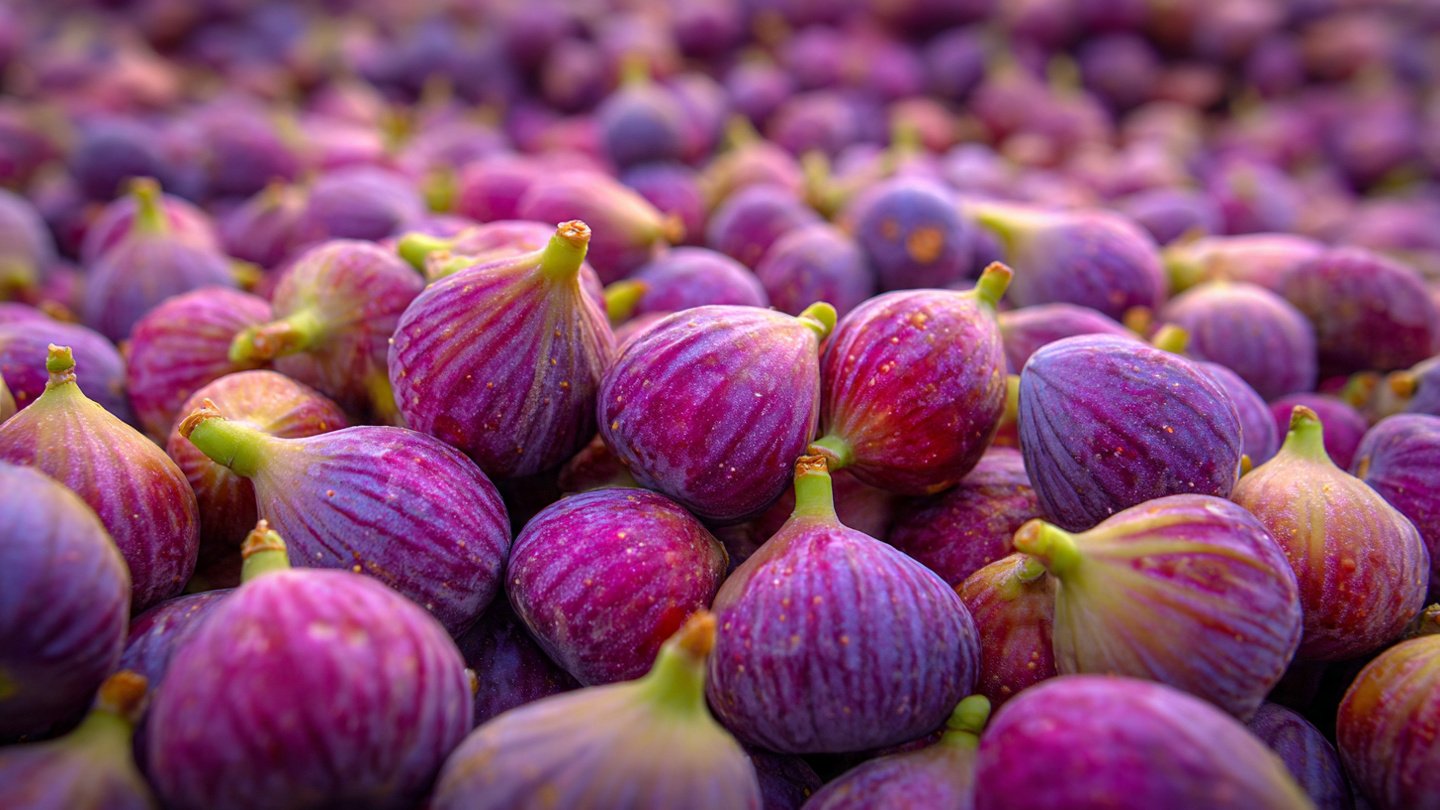
Figs are not only delicious and nutritious, but growing them can also be a rewarding endeavor for gardeners. Known for their unique flavor and high nutritional value, figs (Ficus carica) are a favorite in many households. If you desire to cultivate a bountiful fig crop with minimal effort, you’ve come to the right place. This article explores a simple trick that can significantly enhance your fig production, alongside other crucial tips for successful fig cultivation.
Understanding Figs
Before diving into the cultivation secrets, it’s vital to understand what figs need to flourish. Figs are deciduous trees that thrive in warm climates, requiring plenty of sunlight and well-drained soil. They are relatively hardy and can adapt to various soil types, although they prefer sandy, loamy soils with a pH of 6.0 to 6.5.
Nutritional Value of Figs
Figs are not just tasty; they are packed with nutrients. High in fiber, they contribute to digestive health. They also provide an excellent source of calcium, potassium, and antioxidants, making them a fantastic addition to a healthy diet.
The Simple Trick for Massive Yields
Now, let’s introduce the simple trick that can significantly increase your fig crop: pruning and proper care combined with strategic fertilization. This approach ensures that your tree is healthy, productive, and capable of yielding a substantial crop.
1. Pruning for Enhanced Growth
Pruning is essential for maintaining the health and productivity of fig trees. Here’s how to do it effectively:
When to Prune
The best time to prune fig trees is in late winter or early spring, just before the new growth begins. This timing allows the tree to heal quickly and encourages vigorous new growth.

How to Prune
-
Remove Dead or Diseased Wood: Start by cutting away any dead, diseased, or damaged branches. This reduces the risk of disease and redirecting the tree’s energy towards healthy growth.
-
Thin Out Crowded Areas: If you notice that branches are overly crowded, thin them out to allow sunlight and air to reach all parts of the tree. Adequate airflow helps prevent mildew and other fungal issues.
-
Shape the Tree: Aim for a balanced shape, encouraging an open center to promote sunlight penetration. This helps all parts of the tree receive adequate light, crucial for fruit production.
-
Cut Back Excess Growth: If your fig tree has vigorous growth, cut back young branches to about 6-12 inches. This encourages the development of more fruiting wood.
2. Strategic Fertilization
Fertilization is another integral component of cultivating massive fig crops. Fig trees benefit from well-balanced nutrition throughout the growing season.
Organic Fertilizers
Opt for organic fertilizers like compost or well-aged manure, as they improve soil structure, moisture retention, and microbial activity. A formula high in potassium is especially beneficial for figs, enhancing fruit size and flavor.

-
Timing: Fertilize in early spring before the tree begins to bud. Follow up with another application in mid-summer.
-
How Much: Use about 1-2 pounds of fertilizer per tree, depending on its size. Be cautious not to over-fertilize, as this can lead to excessive leaf growth at the expense of fruit production.
Soil Testing
Consider testing your soil pH and nutrient levels yearly. This ensures that you provide the right amendments needed for optimal growth.
3. Proper Water Management
Watering fig trees correctly is crucial, especially during dry spells. Here’s how to manage water effectively:
Deep Watering
Figs prefer deep watering rather than frequent shallow watering. Water deeply but infrequently to encourage deep root growth.
-
Frequency: Aim for once a week, increasing frequency during prolonged dry spells.
-
Mulching: Apply a layer of organic mulch around the base of the tree to retain moisture and suppress weeds. This helps maintain an even temperature in the root zone.

4. Choosing the Right Variety
Selecting the right fig variety suited to your climate can yield better results. Some of the best varieties include:
-
Brown Turkey: Known for its rich flavor and adaptability to various climates.
-
Celeste: Excellent for cooler climates, offering sweet fruits.
-
Kadota: Great for canning and jam-making due to its rich, sweet flavor.
5. Pest and Disease Management
Preventive care is key to keeping pests and diseases at bay:
-
Regular Inspection: Regularly check your trees for signs of pests like aphids or spider mites. Early detection can lead to simple remedies.

-
Use Natural Pesticides: Insecticidal soaps or neem oil can help manage pest problems without harming beneficial insects.
6. Harvesting for Maximum Yield
Harvesting figs at the right time is essential for maximizing yield.
When to Harvest
Figs do not ripen once picked, so timing is crucial. Harvest when the fruit is fully colored and slightly tender to the touch.
How to Harvest
-
Use Caution: Handle figs gently as they bruise easily. Cut the stem with clean garden scissors rather than pulling them off to minimize damage.
-
Regular Checks: Daily checks during the peak ripening season ensure you don’t miss harvesting ripe fruits, maximizing your yield.
7. Additional Tips for Success
-
Companion Planting: Consider companion planting with herbs or other plants that can benefit your fig tree by repelling pests.
-
Support for Young Trees: If you are growing young trees, provide them with a stake for support until they establish a solid root system.
-
Experiment with Space: Fig trees can be grown in pots if you have limited space. Ensure they still receive adequate sunlight and water.

Conclusion
Growing a massive crop of figs is entirely attainable with the right strategies. Pruning, careful fertilization, proper watering, and pest management, coupled with the simple trick of thoughtful pruning and fertilization, can yield a bountiful harvest.
The journey of growing fig trees can be immensely satisfying and rewarding. As you implement these techniques, watch how they transform your fig-growing experience. Whether you want to enjoy fresh figs or make jams, these insights will help you cultivate a flourishing fig tree that offers a delicious bounty season after season. Embrace this simple trick and enjoy the fruits of your labor!
The delight of harvesting your own figs, the rich flavor, and the nutritional benefits make every effort worth it. Get started today, and you may soon find yourself sharing your bounty with friends and family while basking in the pride of your gardening success.