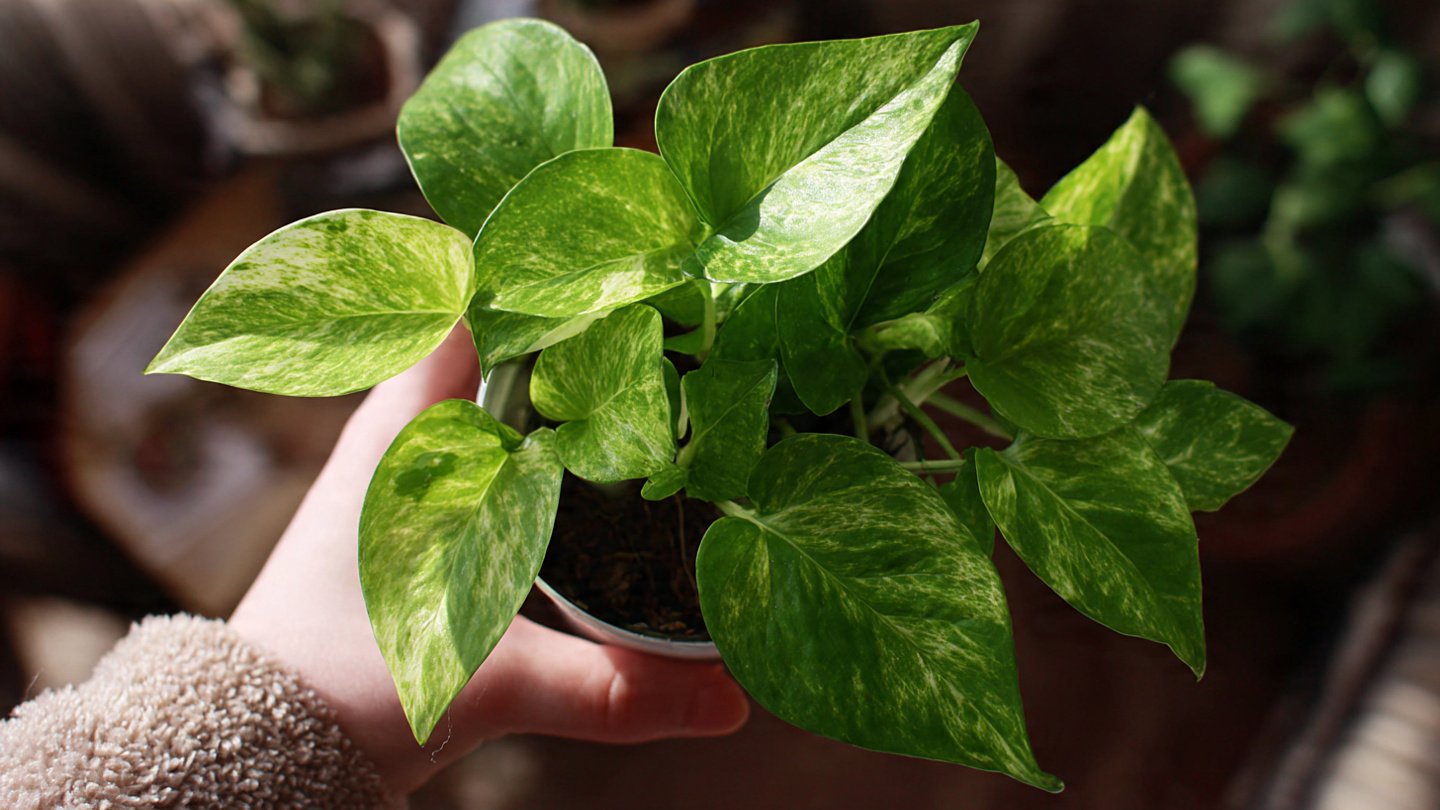
Pothos, also known as Epipremnum aureum, is a popular houseplant cherished for its vibrant foliage and ability to thrive in various conditions. One of the main reasons for its popularity among plant enthusiasts is its ease of propagation. This article explores the best methods for propagating pothos and why they are so effective.
Understanding the Basics of Pothos Propagation
Before diving into specific methods, it’s important to understand what propagation is. Plant propagation refers to the process of creating new plants from a variety of sources, including seeds, cuttings, and divisions. Pothos can be propagated using several methods; however, the most effective method is through stem cuttings. This is primarily due to several favorable characteristics of pothos.
Effective Method: Stem Cuttings
Why Stem Cuttings?
Stem cuttings are the most effective way to propagate pothos for several reasons:
- High Success Rate: Stem cuttings have a high success rate, making them an excellent choice for beginners. When propagated correctly, most cuttings develop roots within a few weeks.
- Fast Growth: Pothos are known for their vigorous growth. New roots often lead to new leaves, enabling the propagation process to accelerate.
- Minimal Resources: Propagating through cuttings requires minimal resources. You only need a healthy plant, water or soil, and some basic tools.
- Versatile: Stem cuttings can be done in water or directly in soil, giving you flexibility based on your preference.

How to Propagate Pothos Using Stem Cuttings
Here’s a step-by-step guide to successfully propagate your pothos using stem cuttings:
- Choose a Healthy Stem: Select a healthy stem with at least 2-3 leaves. Avoid damaged or diseased stems.
- Make the Cut: Using sharp scissors or pruning shears, cut below a node (the area where leaves attach to the stem). A cutting around 4-6 inches long is typically ideal.
- Remove Lower Leaves: Remove the lower leaves to prevent them from rotting in water or soil.
- Rooting Option 1 – Water: Place the cutting in a glass of water, making sure the node is submerged. Change the water every few days.
- Rooting Option 2 – Soil: Alternatively, you can plant the cutting directly in moist potting soil. Make a small hole and bury the cutting, ensuring the node is below the soil surface.
- Provide the Right Conditions: Place the cutting in a warm, bright location but out of direct sunlight. This helps promote root growth.
- Wait for Roots to Develop: In a few weeks, you should see roots forming. In water, roots can become visible in about 2-3 weeks, whereas in soil, it may take longer.
- Transplant if Necessary: If propagated in water, transplant your new pothos into a pot with potting soil once the roots are a few inches long.

Other Propagation Methods
Besides stem cuttings, there are a few other methods for propagating pothos:
1. Air Layering
This technique involves creating roots on a cutting while it’s still attached to the mother plant. It’s a bit more advanced but allows you to propagate a larger cutting.
2. Soil Division
This method is effective for mature plants. You can divide the root ball into several sections, each with its own root system. This is best done during repotting.
3. Seed Propagation
While possible, seed propagation is not commonly used for pothos, as they rarely produce seeds in indoor environments.

Why Is This Method So Effective?
The effectiveness of stem cuttings as the best propagation method for pothos can be attributed to several factors:
1. Hormonal Dynamics
When a stem is cut, the plant produces hormones that encourage root development. This natural process enhances the cutting’s ability to form roots quickly and effectively.
2. Adaptability to Conditions
Pothos plants are native to a variety of tropical habitats and have evolved to adapt to different environments. This adaptability makes them resilient, allowing them to thrive in various propagation conditions.
3. Minimal Stress
Stem cuttings can be taken without causing significant stress to the parent plant, especially if done methodically. This means that you can propagate multiple cuttings without risking the health of your pothos.
Conclusion

Propagating pothos through stem cuttings is highly effective due to its simplicity and high success rate. Whether you’re a novice or an experienced plant enthusiast, it’s a rewarding way to expand your collection. With the right techniques, you can easily clone your favorite pothos and enjoy new growth in your home or garden.
FAQs
1. How long does it take for pothos cuttings to root?
Typically, pothos cuttings can begin to develop roots within 2-4 weeks, depending on the conditions.
2. Can I propagate pothos in soil directly?
Yes, pothos can be propagated directly in soil. Ensure the cutting has contact with moisture and provides a warm environment for optimal growth.
3. How can I tell if my cutting has rooted?
In water, roots will be visible and should ideally be a few inches long before transplanting to soil. In soil, a gentle tug can indicate root establishment—if you feel resistance, roots might have developed.
4. Do I need to use rooting hormone?

While rooting hormone can promote faster root growth, it is not necessary for pothos. They root quite well without it.
5. Is there a specific time of year to propagate pothos?
Pothos can be propagated year-round, but spring and summer are ideal due to increased light and growth conditions.