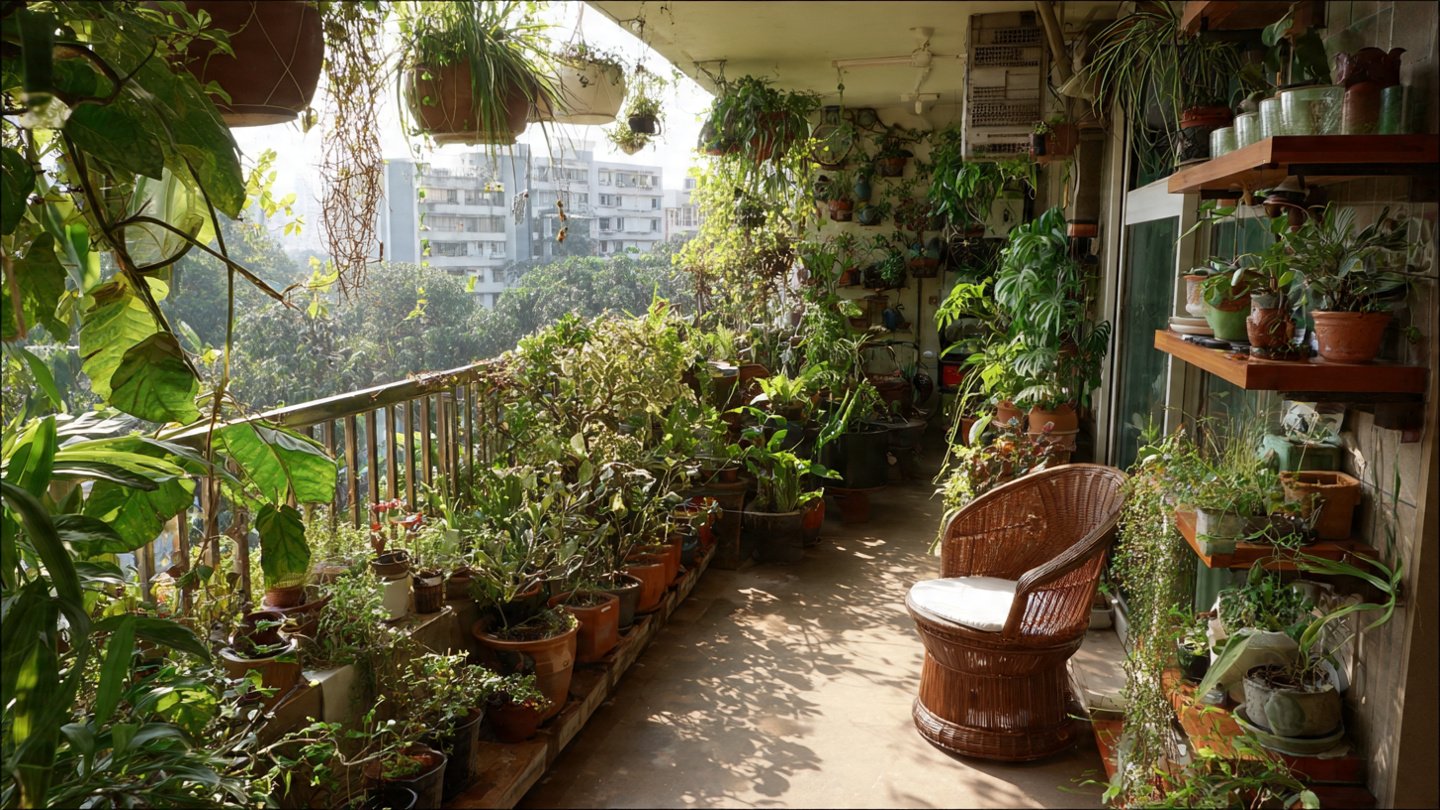
Creating a balcony garden can be a rewarding experience, yielding fresh herbs, vibrant flowers, and perhaps even fruits or vegetables. As more people recognize the importance of sustainability and healthy living, transforming your balcony into an organic oasis becomes an appealing option. This article will guide you on how to make your balcony garden more organic through careful planning, thoughtful plant selection, and sustainable practices.
Understanding the Benefits of an Organic Balcony Garden
Before diving into the practical steps, it’s essential to understand why you might want to create an organic garden:
- Healthier Produce: Organic gardening eliminates harmful chemicals and promotes healthier and tastier fruits, vegetables, and herbs.
- Environmental Impact: Growing your own organic produce supports biodiversity and reduces your carbon footprint, as fewer resources are consumed in transportation.
- Cost-Effective: While the initial investment may be higher, growing your own food can save money in the long run.
- Mental and Emotional Well-being: Gardening is known to reduce stress and improve mental health. The act of nurturing plants can provide a sense of achievement.
Assessing Your Balcony Space
Space Evaluation
- Sunlight: Observe the sunlight patterns on your balcony. Most vegetables and herbs require at least six hours of sunlight daily, while some plants thrive in partial shade.
- Wind: Consider the wind exposure. High winds can damage delicate plants. You may want to invest in windbreaks such as trellises or screens.
- Weight: Ensure you consider the load-bearing capacity of your balcony, especially if you plan to use heavy containers or build raised beds.
Layout and Design
A well-organized layout maximizes space and resources:

- Vertical Gardening: Utilize vertical space with hanging plants, wall planters, and trellises to save space.
- Container Gardening: Choose pots or containers that match your aesthetic while ensuring they are made from organic materials.
- Mobility: Consider using mobile plant stands or furniture on wheels for flexibility in rearranging your garden.
Selecting Organic Seeds and Plants
The choice of plants plays a crucial role in creating an organic oasis.
Choosing Organic Seeds
- Certified Organic Seeds: Always choose seeds labeled as organic through reputable sources to ensure they’re free from synthetic pesticides or fertilizers.
- Local Varieties: Opt for native or local varieties as they are better adapted to your local climate, are typically more resilient, and require less water.
Companion Planting
Companion planting can further enhance growth and pest management:
- Herbs: Basil tends to grow well with tomatoes and can improve their flavor while repelling certain pests.
- Nasturtiums: These beautiful flowers attract aphids away from other plants.
- Marigolds: Known to deter nematodes, marigolds are often used in vegetable gardens.

Soil and Fertilization
Using Organic Soil
Investing in high-quality organic potting soil is crucial for your plants:
- Compost: Incorporate homemade compost or organic compost to improve nutrient content, moisture retention, and soil structure. Composting is an excellent way to recycle kitchen scraps and garden waste.
- Mulch: Use organic mulch materials like straw, wood chips, or grass clippings to retain moisture, suppress weeds, and add organic matter to the soil.
Organic Fertilizers
Opt for natural fertilizers to sustain plant growth:
- Bone Meal: Great for root development, bone meal releases essential nutrients over time.
- Fish Emulsion: This quick-release fertilizer can give a nutrient boost, particularly beneficial for leafy greens.
- Worm Castings: These provide a slow-release form of nutrients and enhance overall soil health.
Watering Practices
Water Management
Proper watering is vital for maintaining an organic garden:
- Rainwater Harvesting: Set up a rain barrel to collect rainwater for irrigation, reducing your water bill and supporting sustainability.
- Drip Irrigation Systems: These conserve water by directing it straight to the roots and minimizing evaporation.
- Mulching: As mentioned, organic mulch can help retain moisture in the soil.

Monitoring Moisture Levels
Invest in a moisture meter to ensure plants are neither overwatered nor underwatered. It can help you understand the specific needs of various plants.
Pest Management
Natural Pest Control Methods
Managing pests organically is crucial for maintaining your oasis:
- Beneficial Insects: Introduce or attract beneficial insects like ladybugs and lacewings, which prey on harmful pests.
- Neem Oil: This natural pesticide derived from the neem tree can deter pests without harming beneficial insects.
- Garlic Spray: A homemade spray from garlic can deter numerous pests while being safe for your plants.
Regular Monitoring
Regularly inspect plants for signs of pests or diseases. Early detection and intervention can save your garden.
Incorporating Aesthetics
An organic garden is not just functional; it can also be visually striking.

Plant Grouping
- Grouping Plants: Use diverse plant arrangements to provide a layered effect, where taller plants are placed at the back and smaller ones in the front.
- Color Schemes: Design a color palette across your plants for visual harmony. This can include complementing blooms with foliage.
Decorative Elements
Add personal touches to enhance your garden’s appeal:
- Garden Art: Incorporate sculptures, wind chimes, or other decor that echoes your style.
- Pathways: Use stones, gravel, or wood chips to create pathways, enhancing both accessibility and appearance.
Seasonal Maintenance
Regular Care
Maintaining an organic garden requires consistent effort:
- Pruning: Regularly prune plants to encourage healthy growth and remove dead or damaged foliage.
- Seasonal Adjustments: Rotate crops seasonally to prevent soil depletion and manage pests effectively.
- Cleaning: Keep pots and garden tools clean to prevent disease.

Preparing for Seasons
- Fall: In cooler months, plant cover crops to enrich the soil and protect it from erosion.
- Spring: Start seeds indoors to give them a head start for the growing season.
- Winter: In colder climates, consider indoor gardening options or cover plants with frost cloths.
Embracing Community
Creating a balcony garden can foster connections with your community:
- Join Local Gardening Groups: Engaging with other gardeners can provide invaluable tips and emotional support.
- Share Produce: Sharing excess harvests with neighbors promotes a sense of community and builds relationships.
Conclusion
Transforming your balcony into a more organic oasis can be immensely fulfilling, both personally and environmentally. By carefully selecting plants, using organic methods, and creating a space of beauty, you can cultivate a sanctuary that not only nourishes you but also fosters biodiversity and sustainability. With dedication, creativity, and a willingness to learn, your balcony can become a thriving organic garden that brings joy and health to your lifestyle.