Why Are So Many People Choosing Dwarf Varieties for Limited Spaces?
In an era where urbanization is on the rise and living spaces are shrinking, the gardening trend has undergone a significant transformation. With more individuals moving into apartments, condos, and smaller homes, the concept of “dwarf varieties” has gained immense popularity. These compact plant varieties offer numerous benefits, allowing gardening enthusiasts to cultivate lush mini gardens even in limited spaces. This article delves into the reasons behind the surge in the popularity of dwarf varieties, exploring their advantages, gardening techniques, and the overall impact on urban gardening.
Understanding Dwarf Varieties
Dwarf varieties refer to plants that have been genetically predisposed or selectively bred to remain small and compact, making them ideal for confined spaces. Commonly found in fruits, vegetables, and ornamental plants, these varieties can thrive in pots, vertical gardens, and small patches of soil. For instance, dwarf fruit trees like ‘Pixzee’ peach or ‘Northpole’ spruce enable growers to enjoy fruit production and landscaping benefits without requiring large expanses of land.
Space Optimization

One of the primary reasons for the growing interest in dwarf varieties is space optimization. Urban living often restricts garden space, leaving little room for traditional gardening. Dwarf plants can comfortably fit into tight corners, balconies, and patios. Homeowners can utilize vertical gardening techniques, planting dwarf varieties in planters, window boxes, or hanging baskets, thereby maximizing their gardening potential without requiring extensive square footage.
Easier Maintenance
Dwarfs tend to require less maintenance than their full-sized counterparts. Smaller plants often have shorter growing periods and require fewer resources like water, fertilizer, and soil. As a result, less time is spent on maintenance, making gardening less of a chore and more of a pleasurable activity. For busy urbanites juggling multiple responsibilities, choosing dwarf plants can provide an accessible means of incorporating greenery into their lives without overwhelming commitments.
Accessibility
Dwarf varieties are not only space-efficient but also accessible for individuals who may face physical challenges with traditional gardening. For example, smaller plants are often at a height that is easier to reach, reducing the need for bending or stretching. This makes it easier for seniors or individuals with mobility constraints to engage in gardening activities, fostering inclusivity and allowing more people to enjoy the therapeutic benefits of gardening.

Aesthetic Appeal
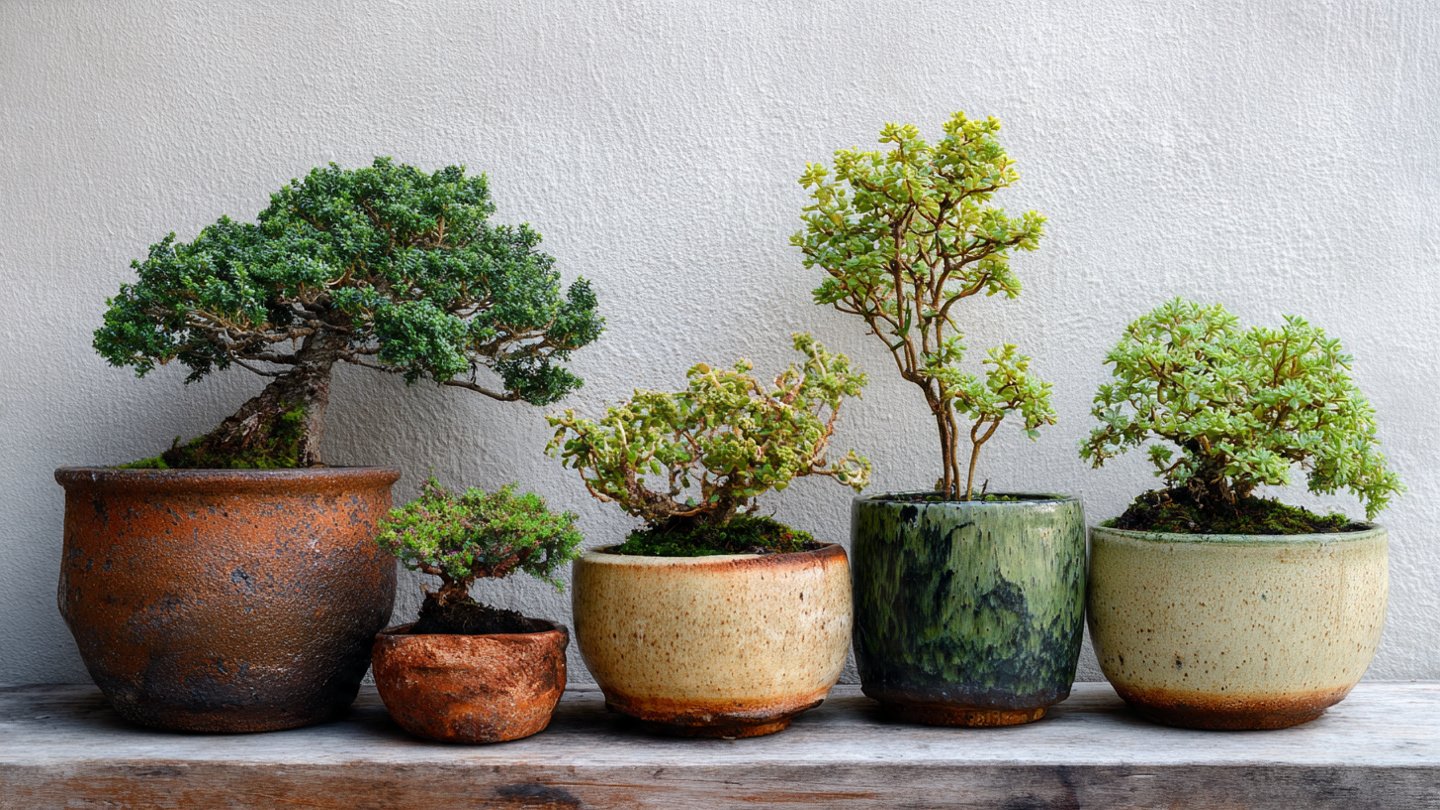
Another significant factor in the popularity of dwarf varieties is their aesthetic appeal. These plants often feature lush foliage, vibrant flowers, or fruit, contributing to the beautification of compact living spaces. Dwarf ornamental plants, such as miniature roses or bonsai trees, offer attractive visual elements that can enliven indoor and outdoor settings. Additionally, their unique and varied shapes can add visual interest, making small gardens feel dynamic and full of life.
Versatile Planting Options
Dwarf varieties come with diverse planting options, catering to different preferences and gardening styles. With a wide range of flowering and fruiting dwarf plants available, gardeners can plan their spaces according to their aesthetic desires or functional needs. For those interested in growing culinary herbs or vegetables, dwarf varieties such as ‘Tiny Tim’ tomato or ‘Little Gem’ lettuce allow for a bountiful harvest despite limited room. This versatility enables garden enthusiasts to enjoy a diverse array of plants and create customized gardens that reflect their personal tastes.

Environmental Benefits
The shift towards dwarf varieties also aligns with broader environmental trends. Urban gardening can contribute to improved air quality, temperature regulation, and biodiversity. Dwarf trees, for instance, can provide a significant environmental benefit while requiring minimal space. Furthermore, less resource-intensive plants often involve less pesticide and fertilizer, promoting sustainable gardening practices. As more people opt for dwarf varieties, they participate in creating greener urban spaces and contribute to ecological conservation.
Community and Social Interaction
The trend of growing dwarf varieties also fosters community building and social interactions. Urban gardening has become a shared activity among neighbors, promoting social bonds and collective responsibility towards beautifying community spaces. Gardeners often share tips, seedlings, and harvests, creating a sense of camaraderie. Community gardens featuring dwarf varieties invite participation from people of all backgrounds, turning gardening into a communal experience and encouraging knowledge sharing.
Education and Awareness

The popularity of dwarf plants has also led to increased interest in gardening education and awareness. As more individuals engage with dwarf varieties, garden centers, and nurseries have begun offering workshops, online classes, and resources aimed at educating new gardeners. This surge in gardening-related programs encourages newcomers to develop their skills and foster personal development. In turn, increased botanical knowledge can inspire a greater appreciation for nature and its role within urban environments.
The Commercial Appeal
Retailers have noticed the burgeoning interest in dwarf varieties and are proactively catering to this trend. Garden centers are expanding their dwarf selection, emphasizing unique cultivars that attract consumers looking for something out of the ordinary. Furthermore, the rise of e-commerce platforms is making it easier for gardeners to source specific dwarf plants from around the world, enhancing their gardening experiences. This commercial appeal has also led to new breeding programs focused on developing innovative dwarf cultivars.
Potential Challenges
Despite the numerous benefits of dwarf varieties, aspiring urban gardeners should be aware of potential challenges that accompany these plants. Limited space can sometimes lead to overcrowding if not planned effectively, which may affect light and airflow, increasing the risk of diseases. Additionally, some dwarf varieties may require special care or specific conditions to thrive, such as high-quality soil or specific watering regimes. Therefore, urban gardeners should conduct proper research and planning to ensure that their mini-gardens flourish.

Conclusion
The increasing preference for dwarf varieties among urban gardeners is driven by various factors, including space constraints, ease of maintenance, aesthetic appeal, and environmental considerations. As more people find themselves in limited spaces, these compact plants offer a multi-faceted solution for cultivating vibrant green spaces. The benefits of dwarf varieties extend beyond personal pleasure, promoting community engagement, environmental awareness, and greater accessibility to gardening.
In a world where urban living is becoming more prevalent, embracing dwarf varieties can lead to a thriving gardening culture, transforming balconies, patios, and small backyards into lush paradises. As individuals take on the role of urban gardeners, they contribute to the greening of cities, creating an oasis that enhances overall quality of life while celebrating the joys of gardening in confined spaces. The dwarf varieties trend highlights the potential for any gardener, regardless of space limitations, to cultivate a garden filled with beauty, bounty, and ecological benefit.