Cacti are remarkable plants that have evolved to thrive in some of the harshest environments on Earth. One of the most crucial strategies for their survival is the dormancy period. This article delves into what dormancy means for cacti, how it works, and why it’s essential for keeping your cactus thriving.
What is Dormancy?
Dormancy is a natural state of reduced metabolic activity that many plants, including cacti, undergo in response to environmental changes. During this period, plants slow down their growth and require less water and nutrients. This phenomenon is typically observed in response to seasons, particularly when conditions become less favorable, such as during extreme heat or cold.
The Science Behind Dormancy
Understanding the biological processes behind dormancy can provide insight into why it is so vital for the health of your cactus. Dormancy involves several physiological changes:
- Water Conservation: Cacti store water in their tissues. During dormancy, they significantly reduce water loss to survive periods of drought.
- Reduced Metabolism: The plant’s metabolic processes slow down, allowing it to conserve energy.
- Stress Resistance: Dormancy helps cacti resist various stress factors like extreme temperatures and low soil moisture.

When Does Dormancy Occur?
Dormancy in cacti usually occurs in response to seasonal changes, depending on their native climate. Most cacti experience dormancy during winter months, while others may go dormant in extremely hot summers. Here are some general guidelines:
- Winter Dormancy: For many species, this is the most common dormancy period. Lower temperatures and reduced daylight hours signal cacti to enter dormancy.
- Summer Dormancy: In regions with scorching summer temperatures, some cacti might undergo dormancy during this period, especially if they are not adapted to high heat.
Why Is Dormancy Important for Cacti?
The dormancy period is essential for several reasons:
- Health Maintenance: A dormant cactus is less prone to diseases and pests. By slowing their functions, they can minimize stress and maintain overall health.
- Rejuvenation: Dormancy allows plants to refresh their energy reserves. When they emerge from dormancy, they are ready to grow and flourish.
- Optimal Growth Cycles: Cacti that undergo dormancy typically grow stronger and produce more vibrant flowers when they re-enter their active growing phase.

How to Help Your Cactus During Dormancy
Proper care during the dormancy period ensures that your cactus thrives when it enters an active growth phase. Here are some tips for maintaining your cactus during dormancy:
- Reduce Watering: Since cacti require less water during dormancy, it’s vital to cut back on watering. A general rule is to water only when the soil is completely dry.
- Lower Temperatures: If possible, place your cactus in a cooler area during winter dormancy to mimic natural conditions. This can help encourage a more restful state.
- Minimal Fertilization: Avoid fertilizing during the dormancy period. Wait until the growing season resumes to provide nutrients.
Signs That Your Cactus Is In Dormancy
Recognizing the signs that your cactus is entering dormancy is essential for proper care. Look for these indicators:

- Slowed Growth: If your cactus is not growing as quickly as it did during the active growing season, it may be entering dormancy.
- Change in Color: The color of the cactus may become muted or less vibrant during dormancy.
- Decreased Water Needs: You may notice that the soil remains dry for longer periods, indicating a drop in water needs.
What to Expect After Dormancy
Once the dormancy period is over and the appropriate conditions return, cacti will show signs of renewed growth. You may notice the following:
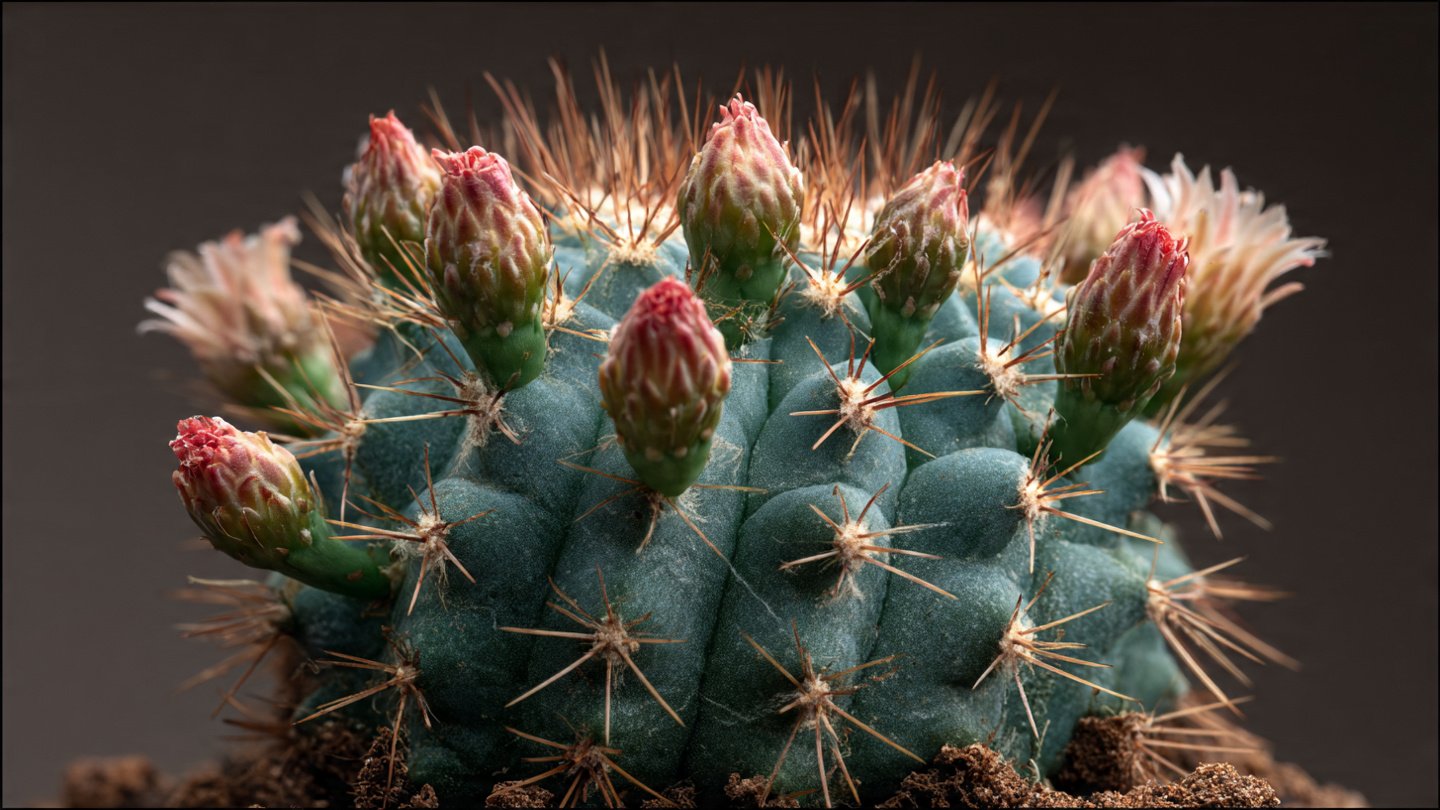
- Bud Formation: As temperatures increase and daylight hours lengthen, cacti may begin to develop new buds or flowers.
- Revitalized Growth: Expect to see your cactus regaining its vibrant colors and growing more actively again.
- Increased Water Needs: Be prepared to gradually increase watering as your cactus resumes its growing phase.
Conclusion

The dormancy period is crucial for the survival and thriving of cacti. It is a natural strategy that allows these remarkable plants to conserve resources and endure harsh environmental conditions. By recognizing the signs of dormancy and adjusting care accordingly, you can ensure your cactus remains healthy and vibrant throughout its life cycle.
FAQs
1. How long does the dormancy period last for cacti?
The duration of dormancy can vary widely depending on species and environmental conditions but generally lasts from a few weeks to several months during winter or extreme heat periods.
2. Can all cacti go dormant?
Most cacti can go dormant, but the specific conditions and length of dormancy can vary greatly among species. Understanding the needs of your particular cactus species is key.
3. Should I move my cactus indoors during winter dormancy?
If you live in a region where temperatures drop significantly, it’s often best to move your cactus indoors. Just ensure it gets plenty of light and is kept in a cooler area to mimic natural dormancy conditions.

4. What happens if I don’t allow my cactus to go dormant?
If a cactus does not experience a dormancy period, it can become stressed, leading to slower growth, poor health, and increased susceptibility to pests and diseases.
5. How can I tell if my cactus is healthy after dormancy?
A healthy cactus post-dormancy should exhibit vibrant colors, show signs of new growth or budding, and require regular watering as it transitions back into an active growth phase.