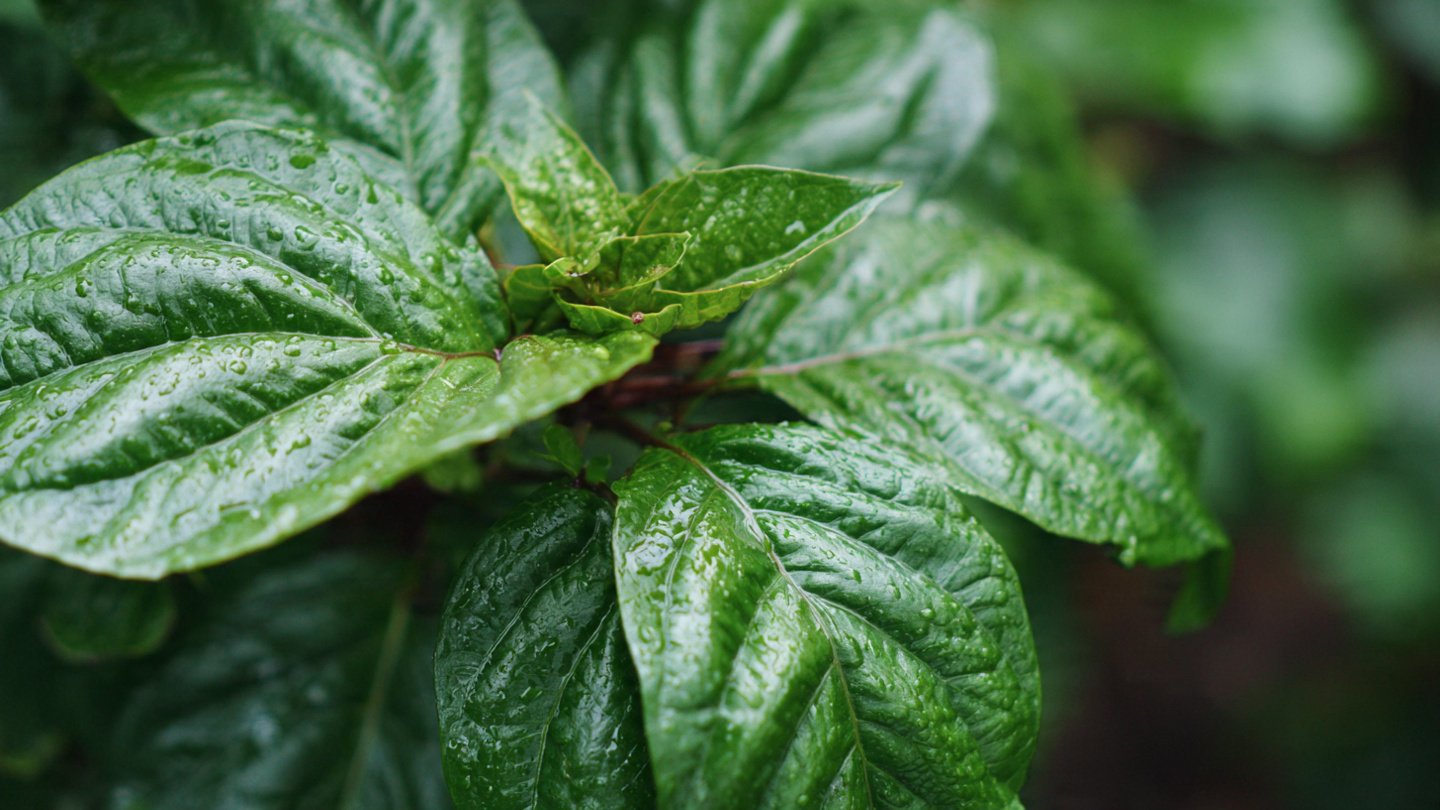
Hibiscus plants are known for their striking blooms and lush foliage. However, if you’ve noticed unusual bumps forming on the leaves of your hibiscus, it’s natural to be concerned. These bumps can stem from various causes, ranging from pest infestations to environmental stress. Understanding the underlying issues can help you take effective measures to restore your plant’s health.
Identifying the Bumps
Before delving into the causes, it’s essential to identify what type of bumps you’re dealing with. Depending on their appearance, size, and location, different factors may be at play. Here are some common types of bumps you might encounter:
- Small, raised bumps: These could be an indication of pest infestations or fungal infections.
- Blister-like formations: Often associated with environmental damage or certain plant diseases.
- Galls: These are abnormal growths induced by insects, mites, or fungi.
Potential Causes for Bumps on Hibiscus Leaves
1. Insect Infestations
The most common culprits for leaf bumps are insects. Several pests could be affecting your hibiscus:
- Aphids: These small, soft-bodied insects typically cluster on new growth, sucking the sap and causing leaf distortion.
- Scale Insects: They appear as small, hard bumps on the leaves and stems, feeding on plant juices and weakening the plant.
- Spider Mites: These tiny pests cause stippling and can lead to leaf drop if not controlled.
- Whiteflies: Similar to aphids, whiteflies feed on sap, and their presence is often indicated by a sticky substance that coats the leaves.

2. Fungal Infections
Fungi can also lead to unusual growths on hibiscus leaves. Common fungal issues include:
- Leaf Spot: Caused by various fungi, it results in dark, raised spots on the leaves. If left untreated, it can lead to more severe damage.
- Powdery Mildew: This fungus appears as a white, powdery substance on the leaves and can distort their shape.
- Botrytis Blight: Characterized by grey mold, this can lead to leaf bumps and decay.
3. Gall Formation
Galls are abnormal growths caused primarily by insects or fungi. Certain species of wasps and mites induce galls on hibiscus plants. These are often found on leaf surfaces and can appear as swollen, irregular formations. While galls might look unsightly, they usually do not harm the plant significantly.
4. Environmental Stress
Environmental factors can also contribute to the appearance of bumps. Some stressors include:

- Overwatering: Excess moisture can lead to root rot, causing the plant to exhibit unusual growth patterns.
- Underwatering: Conversely, drought stress can also lead to abnormal leaf development.
- Nutrient Deficiencies: A lack of essential nutrients, particularly nitrogen, can affect the plant’s growth and lead to unusual bumps.
5. Viruses
Plant viruses can cause a range of issues, including leaf distortions and bumps. Symptoms may vary widely depending on the virus strain but often include:
- Color mottling on the leaves.
- Wilting or stunted growth.
- General decline in plant vigor.
Treatment and Prevention Strategies
Understanding the potential causes is just the first step. Here’s how to treat and prevent these issues from affecting your hibiscus:
1. Regular Inspection
Keep an eye on your hibiscus plants for any signs of pests or diseases. Early detection can make a significant difference in treatment efficacy.

2. Pest Control
If you identify pests:
- Insecticidal soap: This can effectively kill soft-bodied insects like aphids and spider mites.
- Neem oil: This natural product can deter a range of pests and is less toxic to beneficial insects.
- Hand-picking: For larger pests like scale insects, manually removing them can be effective.
3. Fungal Control
In cases of fungal infections:
- Fungicides: Apply appropriate fungicides according to the manufacturer’s instructions.
- Good air circulation: Space plants adequately to avoid overcrowding and reduce humidity around foliage.
4. Environmental Management
To mitigate environmental stress:

- Watering: Ensure consistent watering practices, allowing the soil to dry out slightly between waterings.
- Fertilization: Use a balanced fertilizer to ensure your plant receives essential nutrients.
- Mulching: Applying mulch can help maintain consistent soil moisture and develop healthy root systems.
5. Viral Management
With viral infections, the best approach is often prevention. Avoid introducing new plants without proper inspection and consider removing severely affected plants to protect others.
Conclusion
Mysterious bumps on hibiscus leaves can be alarming, but understanding their potential causes allows for effective management. From insect infestations and fungal infections to environmental stress and viral issues, recognizing the signs and symptoms will enable you to take action promptly. Regular maintenance, careful observation, and timely interventions are critical in keeping your hibiscus healthy and vibrant. With proactive care, your hibiscus can continue to thrive and grace your garden with its beautiful blooms.
FAQs
What should I do if I find aphids on my hibiscus?
If you notice aphids, try spraying the plant with a strong jet of water to knock them off. If the infestation persists, consider using insecticidal soap.
How can I tell if the bumps are caused by pests or diseases?

Inspect the bumps closely; pests can often be found on or around the damaged areas. Look for typical symptoms of diseases such as discoloration or wilting.
Is it safe to use chemicals on my hibiscus?
While many chemical treatments can be effective, opt for those labeled as safe for ornamental plants and follow application instructions carefully to avoid harming beneficial insects.
Can my hibiscus recover from viral infections?
Viral infections can be challenging to manage. While mild cases may not lead to significant decline, it’s often best to remove infected plants to protect healthy ones.
What environmental factors could cause stress in my hibiscus?
Common environmental stressors include inconsistent watering practices, temperature extremes, and poor soil conditions. Addressing these can help promote a healthier plant.