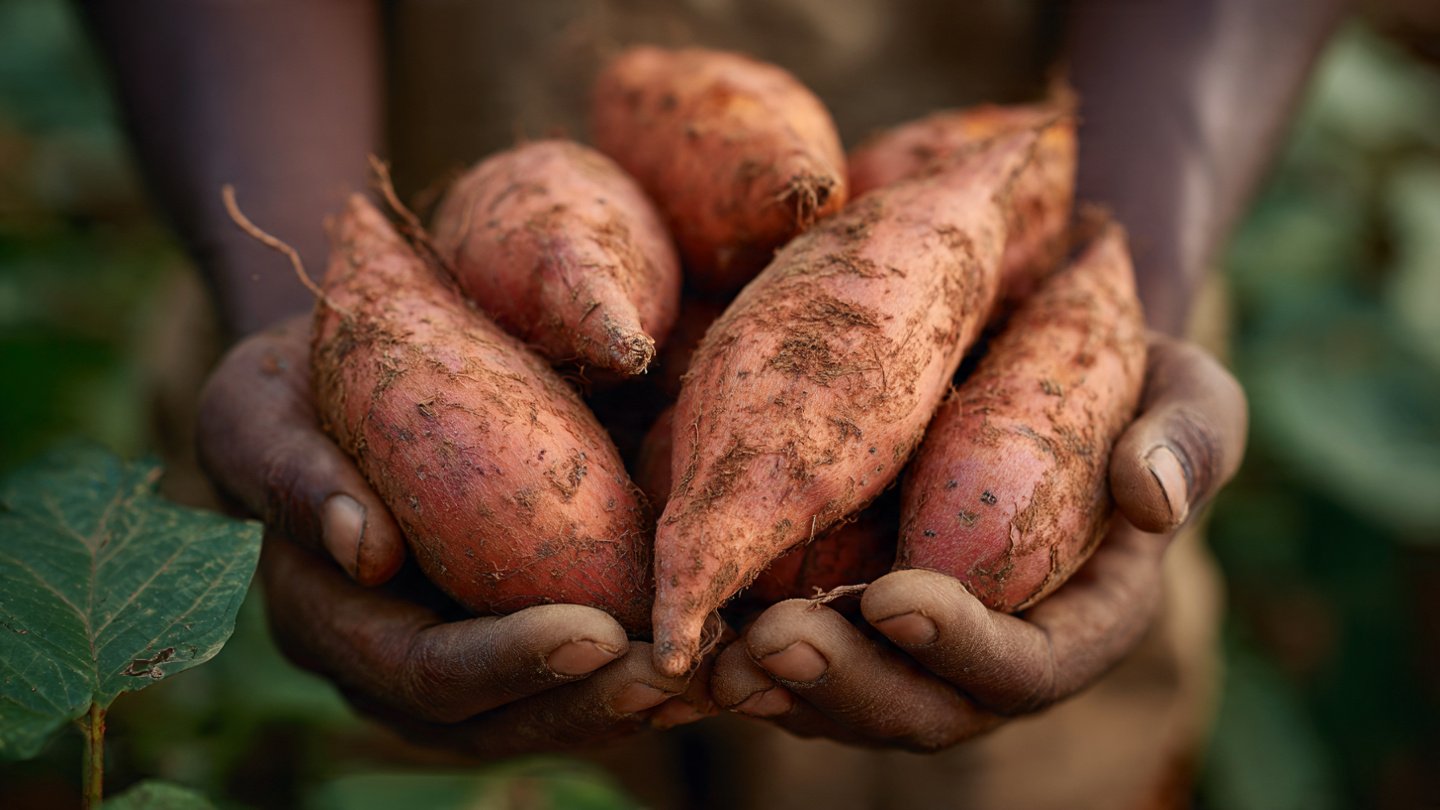
Sweet potatoes are not just delicious; they are also packed with nutrition, making them a favorite among many gardeners. However, achieving massive sweet potatoes requires careful planning and execution. In this guide, we will delve into the secrets of successfully growing sweet potatoes, exploring factors like soil preparation, planting, care, and harvesting.
1. Understanding Sweet Potatoes
Sweet potatoes (Ipomoea batatas) are tuberous roots that thrive in warm climates. They come in various colors, including orange, purple, and white. Unlike regular potatoes, sweet potatoes are rich in vitamins A and C, fiber, and antioxidants, making them a superfood.
2. Ideal Growing Conditions
Sweet potatoes thrive in well-drained, nutrient-rich soils. Here are the optimal conditions for growing sweet potatoes:
- Soil Type: Sandy loam or loamy soil is ideal as it promotes drainage and root growth.
- pH Level: Sweet potatoes prefer a slightly acidic to neutral pH, ideally between 6.0 and 7.5.
- Sunlight: Full sun is essential. Ensure they get at least 6-8 hours of direct sunlight daily.
- Temperature: The ideal temperature range for sweet potatoes is between 70°F and 85°F (21°C – 30°C).

3. Preparing the Soil
Soil preparation is crucial for growing large sweet potatoes. Follow these steps to prepare your planting area:
- Clear the Area: Remove any weeds, rocks, or debris from the planting site.
- Tilling: Till the soil to a depth of at least 12 inches to encourage healthy root development.
- Amend the Soil: Add organic matter such as compost or well-rotted manure to enrich the soil with nutrients.
- Soil Testing: Conduct a soil test to check nutrient levels and pH. Adjust accordingly based on the results.
4. Selecting and Planting Sweet Potatoes
Choosing the right sweet potato varieties can influence the size and yield.
4.1 Choosing Sweet Potato Varieties
There are several varieties of sweet potatoes, each with unique flavors and growth characteristics:

- Beauregard: Known for its high yield and disease resistance.
- Covington: A popular variety with smooth skin and sweet flesh.
- Japanese Purple: This variety is known for its striking purple color and dense, sweet flesh.
- Georgia Jet: Fast-growing and known for producing large tubers.
4.2 Planting Techniques
Planting sweet potatoes requires specific techniques for better results:
- Sprouting Slips: Start with healthy seed potatoes. Place them in a warm, moist area until sprouts, or slips, form.
- Spacing: Plant the slips 12-18 inches apart in rows that are 3 feet apart to allow for growth.
- Depth: Plant the slips about 3-6 inches deep, ensuring that at least half of the slip is buried in the soil.
5. Caring for Your Sweet Potatoes
Proper care during the growing season ensures massive sweet potatoes. Key aspects of care include:

- Watering: Water consistently, especially during dry periods, but avoid overwatering as sweet potatoes dislike soggy roots.
- Weed Control: Regularly check for weeds, which compete for nutrients and space. Mulching can help control weed growth.
- Pest Management: Keep an eye out for pests like sweet potato weevils and aphids. Organic pesticides can be effective.
- Fertilization: Use a balanced fertilizer (such as 10-10-10) at planting and mid-season to provide essential nutrients.
6. Harvesting Sweet Potatoes
When it’s time to harvest, knowing the right signs is essential:
- Timing: Sweet potatoes are typically ready 90 to 120 days after planting. Harvest them before the first frost.
- Signs of Readiness: Leaves start to yellow and die back. If you notice this, gently dig around the base to check for tuber size.
- Harvesting Techniques: Use a garden fork or spade to gently lift the tubers without damaging them.
7. Post-Harvest Care

After harvesting, proper handling and storage are crucial for maintaining the quality of your sweet potatoes:
- Curing: Cure sweet potatoes in a warm, humid environment for 10-14 days to enhance sweetness and shelf life.
- Storage: Store in a cool, dark place. Ideal storage temperature is between 55°F and 60°F (13°C – 16°C).
- Avoiding Damage: Handle tubers gently to avoid bruising, which can lead to spoilage.
Conclusion
Growing massive sweet potatoes is an achievable goal with the right techniques and care. By focusing on optimal conditions, proper soil preparation, careful planting, and diligent maintenance, gardeners can enjoy a bountiful harvest. Remember that patience is key; sweet potatoes take time to grow but yield richly in flavor and nutrition, making them a satisfying addition to your garden.
FAQs
1. How long does it take to grow sweet potatoes?
Sweet potatoes generally take about 90 to 120 days to mature, depending on the variety and growing conditions.
2. Can sweet potatoes be grown in containers?

Yes, sweet potatoes can be grown in large containers or raised beds, provided they have enough depth for root development.
3. What is the best fertilizer for sweet potatoes?
A balanced fertilizer such as 10-10-10 is recommended at the time of planting and mid-season to support strong growth.
4. How do I know when to harvest my sweet potatoes?
Look for yellowing leaves and dig around the base of the plant to check the size of the tubers. Harvest before the first frost.
5. Can I grow sweet potatoes in colder climates?
It’s best to grow sweet potatoes in warmer climates. However, with season extenders like row covers or greenhouses, it’s possible in cooler areas.