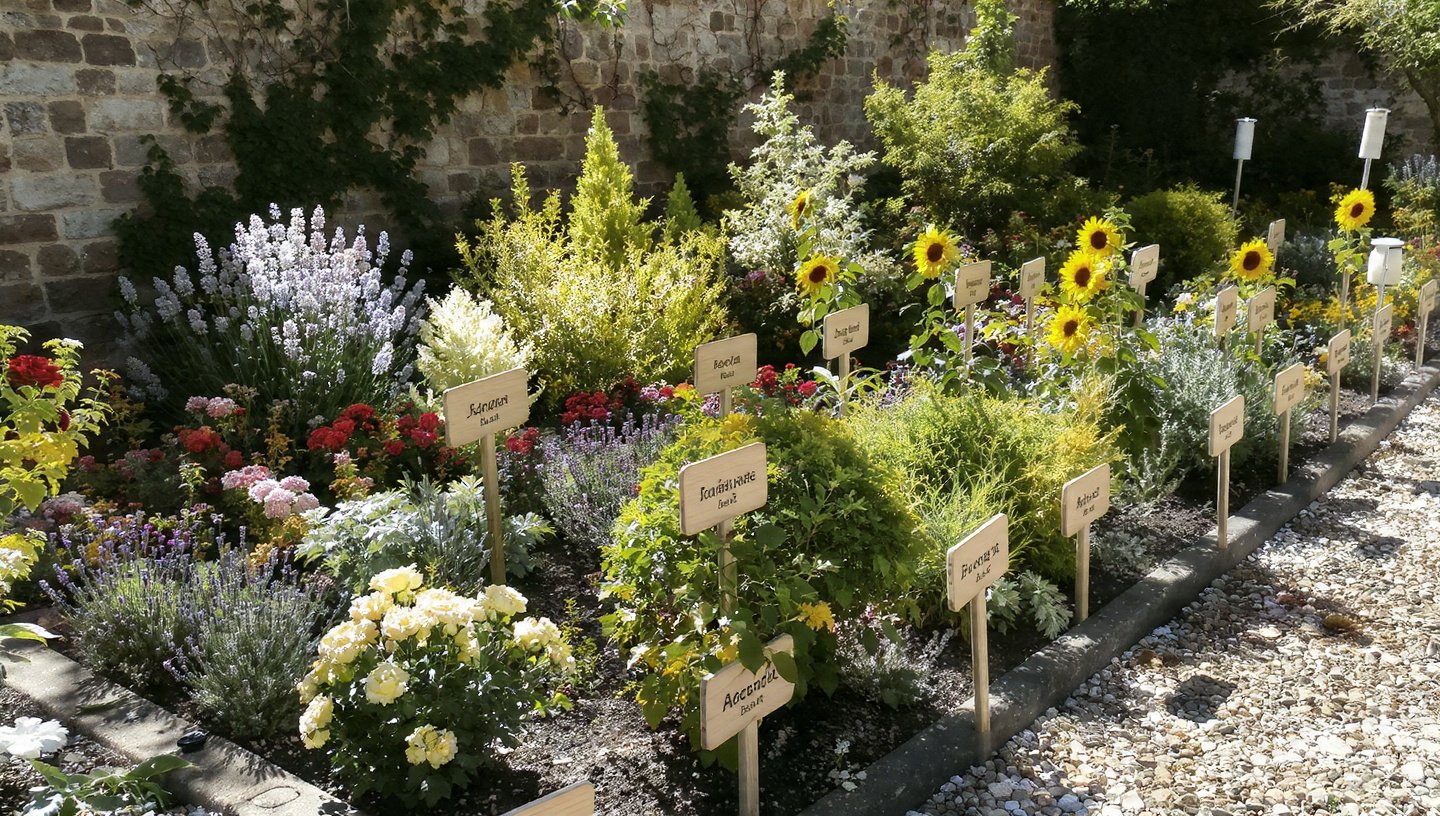
Gardening is not only a hobby but a form of art—a celebration of nature’s beauty. However, with hundreds of different plant varieties available, it can be easy to mix up one species with another. This is where garden labels come into play. Garden labels, often overlooked, can be your best friends in maintaining a well-organized garden. They serve multiple purposes, including plant identification, care reminders, and even aesthetic enhancement. In this article, we will explore how garden labels can assist you in identifying different plant varieties effectively.
Understanding the Importance of Identification
Before diving into the specifics of how labels can help, it’s crucial to understand why identifying plant varieties is essential. Proper identification can help you:
- Ensure optimal care: Different plants have varied requirements in terms of sunlight, water, and soil. Knowing your plants allows you to cater to their specific needs.
- Avoid potential hazards: Some plants may be toxic or invasive. Proper labeling aids in avoiding harmful interactions.
- Enhance garden aesthetics: Knowing the flourishing periods of your plants helps you maintain a garden that is consistently attractive.
The Role of Garden Labels
Garden labels act as quick reference points that provide essential information about each plant. Here’s how they can help:
1. Clear Identification
The most obvious function of garden labels is to identify what you have planted. Each label can include details such as:

- Common Name
- Scientific Name
- Family
- Variety or Cultivar
By using scientific names alongside common names, gardeners can eliminate confusion that may arise from regional naming differences.
2. Care Guidelines
Many labels also provide vital care tips. For instance, a label may indicate:
- Watering needs
- Sunlight requirements
- Soil preferences
- Fertilization schedules
This information is especially beneficial for novice gardeners who may not be familiar with specific plant care.

3. Growth Tracking
Garden labels can serve as logs for tracking growth stages. You can note when you planted the seeds or staged the plants. Having this information can lead to better decision-making regarding pruning, watering, and fertilization.
4. Aesthetic Value
Garden labels come in various designs, materials, and styles, allowing you to personalize your garden space. Whether you opt for rustic wooden tags or sleek metal ones, they can enhance your garden’s visual appeal while serving a functional purpose.
5. Educational Role
Labels can help both children and adults learn about different plant varieties. By reading the labels and understanding the names and care requirements, everyone can gain knowledge about horticulture, botany, and ecology.
Types of Garden Labels
There are numerous types of garden labels available on the market, each with its unique advantages:
1. Plastic Labels
These are often weather-resistant and come in various colors, making them easy to spot. They can often be written on with a permanent marker.

2. Wooden Labels
Wooden labels offer a rustic charm and can last quite some time if treated properly. They can be engraved for a more permanent solution.
3. Metal Labels
Stainless steel or aluminum labels are extremely durable and resistant to weather. They often come with a more modern aesthetic.
4. Biodegradable Labels
For the eco-conscious gardener, biodegradable labels are made from materials like bamboo or recycled paper. They break down naturally over time.
How to Create Garden Labels
If you’re looking to create your own garden labels, here are some simple steps to follow:
1. Gather Materials
You can use materials like wooden stakes, popsicle sticks, stones, or recycled materials. Make sure to choose durable materials that can withstand outdoor conditions.
2. Write Down the Information

Use a permanent marker to write the essential details on your chosen material. Include the plant’s common name, scientific name, and any specific care instructions you deem necessary.
3. Decorate as Desired
Feel free to add personal touches like drawings, colors, or other embellishments to make your labels stand out.
4. Place Them Effectively
Position your labels near the base of each plant, ensuring they are easily visible but not too close to the roots.
Conclusion
Garden labels are more than just simple tags; they are essential tools that can significantly enhance your gardening experience. By helping you identify different plant varieties, they ensure that each plant receives the right care it needs to thrive. Whether you are a novice gardener or an experienced horticulturist, incorporating labels into your gardening routine can offer clarity, organization, and even a touch of art to your green space. Investing time in properly labeling your garden can turn a confusing array of plants into a thriving, beautiful, and well-organized sanctuary.
FAQs
Q1: Why should I use garden labels?
Using garden labels helps you identify different plants easily, understand their care requirements, and maintain a well-organized garden.

Q2: What information should I include on a garden label?
At minimum, garden labels should include the plant’s common name, scientific name, and any necessary care tips such as sunlight or watering needs.
Q3: Are there eco-friendly options for garden labels?
Yes! Biodegradable labels made from bamboo or recycled paper are excellent choices for eco-conscious gardeners.
Q4: How do I make temporary labels for seedlings?
Temporary labels can be made using popsicle sticks or cut plastic. You can easily write on them and replace them as needed.
Q5: Do garden labels really last long?
The lifespan of a garden label depends on the material used. Plastic and metal labels can last for years, while biodegradable options are designed to decompose over time.