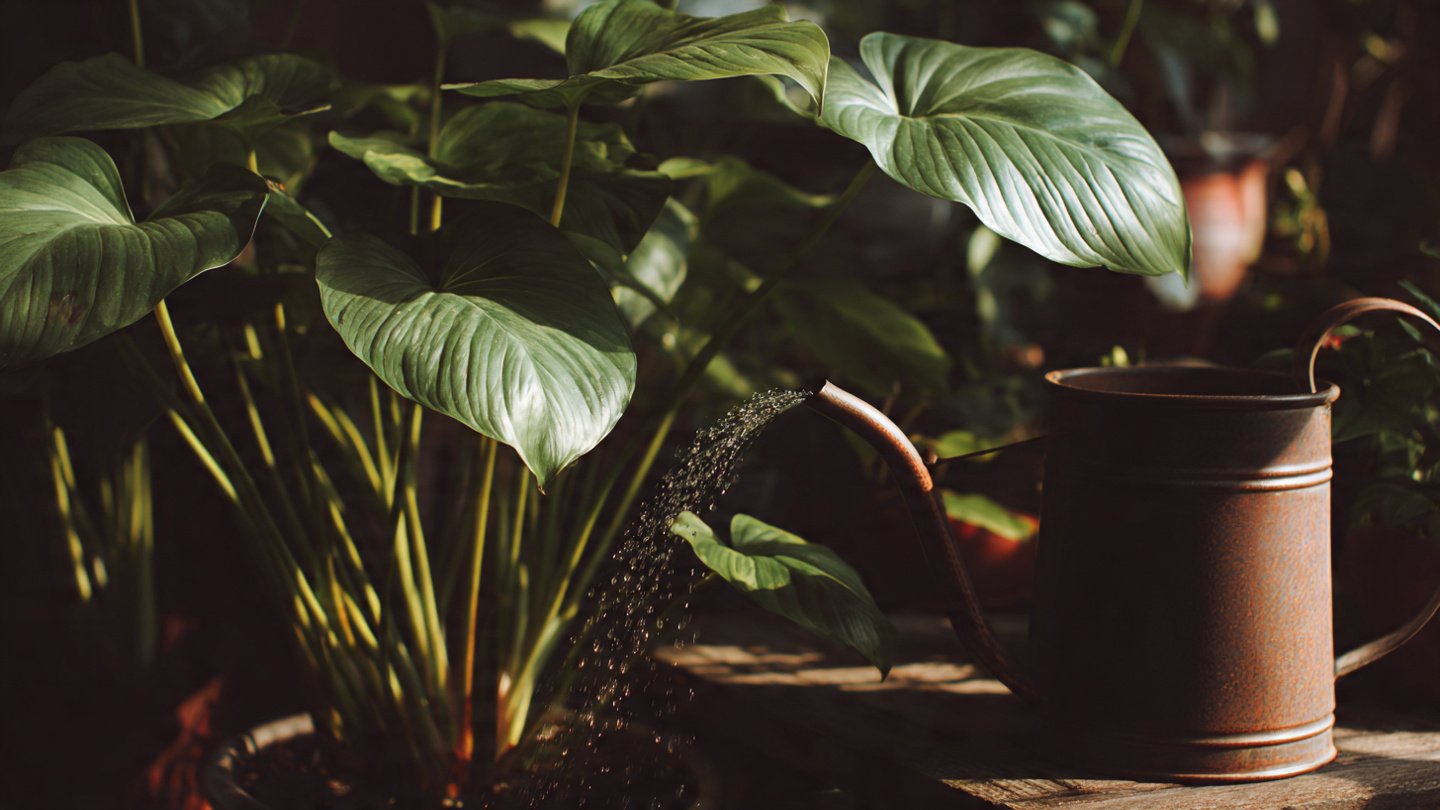
Watering is one of the most critical aspects of plant care, significantly influencing the health and growth of indoor plants. Proper watering techniques can lead to flourishing greenery, while incorrect practices can do more harm than good. In this guide, we will explore methods, tips, and best practices for watering indoor plants to ensure they thrive.
Understanding Plant Watering Needs
Plants, like humans, have unique water requirements based on various factors, including species, age, and environmental conditions. Understanding these needs is essential for optimal growth.
1. Factors Affecting Water Needs
- Plant Type: Different plants have varying water requirements. Succulents need less water, whereas tropical plants demand more humidity and moisture.
- Pot Size: Larger pots retain moisture longer than smaller pots, affecting how often you need to water.
- Soil Type: Well-draining soil allows water to pass through quickly, while compact, heavy soils retain moisture, requiring less frequent watering.
- Humidity Levels: Dry indoor air can cause plants to lose water faster, whereas high humidity can help retain moisture.
- Light Exposure: Plants exposed to more sunlight may require more water due to increased evaporation rates.
2. Signs of Underwatering and Overwatering
Recognizing the signs of proper watering can help prevent common mistakes:
- Underwatered Plants: Yellowing leaves, wilting, dry soil, and leaf drop.
- Overwatered Plants: Yellow leaves, mushy stems, root rot, and moldy soil.
Watering Techniques for Indoor Plants
Here are some effective watering techniques to maximize growth and health:
1. Check Soil Moisture
Always assess the soil moisture before watering. Insert your finger about an inch into the soil; if it feels dry, it’s time to water. For deeper-rooted plants, a moisture meter can help gauge the moisture level at varying depths.
2. Use Room Temperature Water
Cold water can shock your plants. Instead, use water that is at room temperature. This helps plants absorb water more effectively.
3. Watering Method
Choose the right method to prevent overwatering:
- Top Watering: Pour water directly onto the soil until it begins to drain out of the bottom. This ensures even distribution.
- Bottom Watering: Place plants in a shallow tray of water, allowing them to soak it up through the drainage holes. This method is excellent for plants that prefer consistent moisture.
4. Frequency of Watering
Most indoor plants thrive on a regular watering schedule, typically every 7 to 14 days. Adjust this frequency based on the season, humidity levels, and specific plant needs.
5. Consider the Time of Day
Watering in the morning is ideal as it allows moisture to soak into the soil before the sun rises, reducing the risk of evaporation. Avoid watering in the evening, as this can leave leaves damp overnight, promoting mold and fungal growth.
Enhancing Watering for Maximum Growth
In addition to basic watering techniques, consider implementing the following methods to promote growth:
1. Use Quality Soil
Opt for a high-quality potting mix that retains moisture while allowing for adequate drainage. This balance is essential for healthy root systems.
2. Fertilize Accordingly
During the growing season, plants may need nutrients. When watering, consider using a diluted, water-soluble fertilizer to provide extra nourishment.
3. Ensure Proper Drainage
Make sure that your pots have drainage holes to prevent waterlogging. If you notice water pooling at the bottom, repot into a container designed for proper drainage.
4. Group Plants Strategically
Placing plants with similar watering needs together can streamline your care routine. Additionally, clustering plants can increase humidity levels, benefiting species that thrive in a humid environment.
5. Monitor Environmental Conditions
Be aware of how seasonal changes affect your home environment. In winter, heating systems can dry the air; using humidifiers or pebble trays with water can counteract this.
Conclusion
Watering indoor plants is not merely about pouring water into pots but rather understanding their unique needs and adopting a mindful approach. By taking into consideration various factors such as plant type, humidity, and seasonal changes, you can cultivate a thriving indoor garden. Regularly checking moisture levels, practicing the right techniques, and enhancing your watering routine will significantly boost plant growth and health.
Frequently Asked Questions (FAQs)
1. How often should I water my indoor plants?
The frequency of watering depends on the type of plant, size of the pot, and environmental conditions, but most indoor plants require watering every 7 to 14 days. Always check the soil moisture before watering.
2. What type of water is best for indoor plants?
Room temperature water is ideal for indoor plants. Avoid very cold or hot water, as it can shock the plants.
3. Should I water my plants from the top or bottom?
Both methods have their benefits. Top watering ensures even surface moisture, while bottom watering allows plants to absorb water as needed through their drainage holes.
4. How do I know if my plant is overwatered?
Signs of overwatering include yellow leaves, mushy stems, and a foul smell from the soil. Ensure the pot has drainage holes to prevent waterlogging.
5. Can I use tap water for my indoor plants?
Yes, you can use tap water, but it’s advisable to let it sit for 24 hours to allow chlorine to dissipate. Rainwater or distilled water can also be beneficial, especially for sensitive plants.