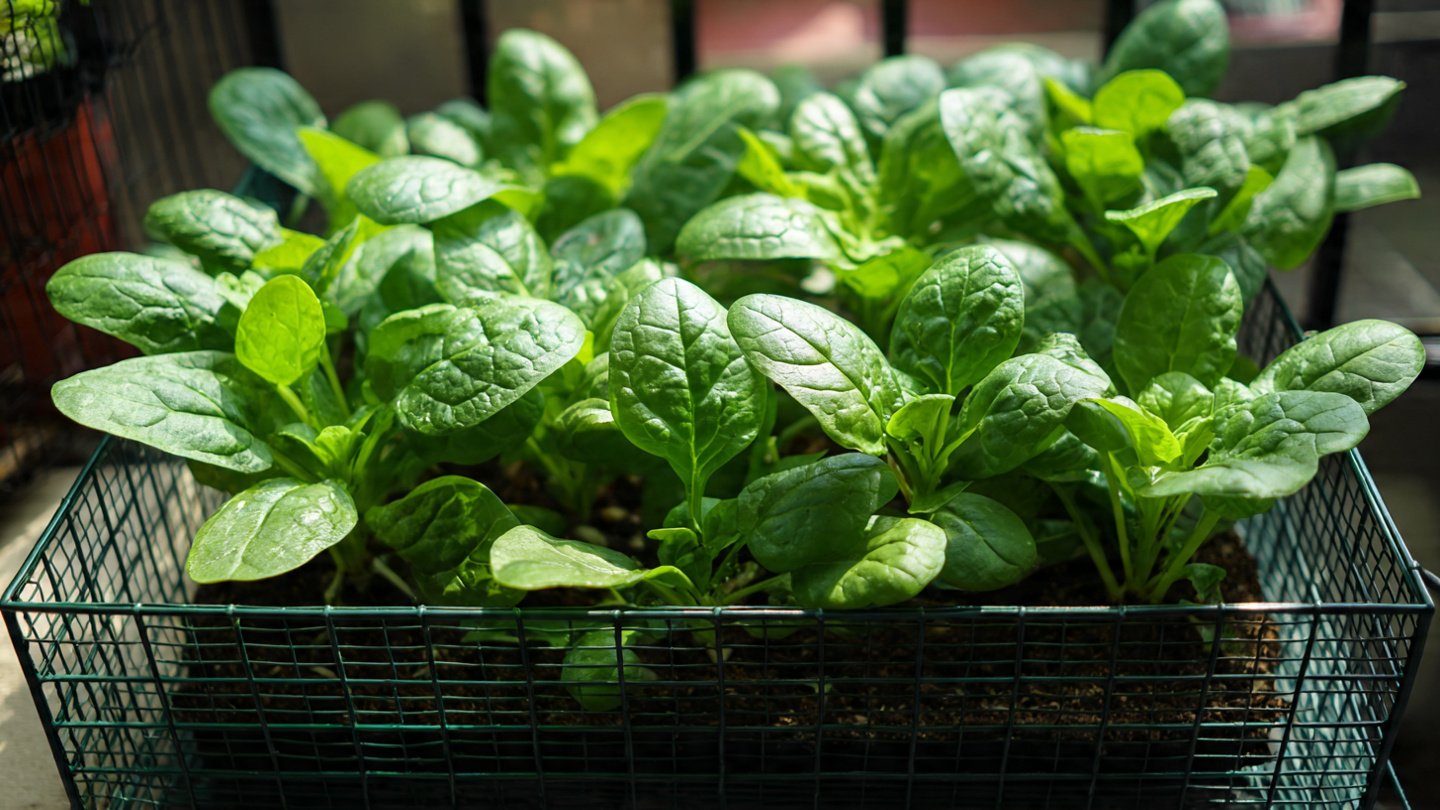
Growing fresh spinach in a small metal balcony box is an enriching and rewarding experience that allows you to enjoy this nutrient-dense leafy green right from your home. Spinach (Spinacia oleracea) is a versatile vegetable that thrives in cool weather and can be grown even in limited spaces. This article will guide you through the essential steps and tips to successfully cultivate spinach in a small metal balcony box.
1. Selecting the Right Container
Size Matters
When choosing a metal balcony box, size is crucial. Ideally, your container should be at least 12 inches deep and wide enough to accommodate multiple plants—typically about 24 inches long or more. This depth allows the spinach roots to spread and develop properly.
Material Considerations
While metal boxes provide a modern aesthetic, they can heat up quickly in the sun, potentially stressing the plants. To mitigate this, consider insulating the inner walls of the box using a layer of burlap or lining it with cardboard. Additionally, ensure there are drainage holes at the bottom to prevent waterlogging, which can lead to root rot.
2. Choosing the Right Soil
Soil Type
Spinach prefers well-draining, nutrient-rich soil. A good quality potting mix specifically formulated for vegetables is an excellent choice. Look for a mix that includes compost, peat moss, and perlite or vermiculite for aeration.

pH Level
Spinach flourishes in soil with a pH between 6.0 and 7.0. You can test your soil’s pH with a home testing kit or from a local garden center. If the pH is outside this range, you can amend it using lime (to increase pH) or sulfur (to lower pH).
3. Selecting Spinach Varieties
Types of Spinach
There are several varieties of spinach; the choice depends on your preferences and local climate. Here are some common choices:
- Smooth Leaf Spinach: Great for salads and easy to harvest.
- Savoy Spinach: Features crinkly leaves and is ideal for cooking.
- Semi-Savoy Spinach: A hybrid that combines the best of both worlds, offering disease resistance and easier cleaning.
Choosing quick-maturing varieties can enable you to enjoy multiple harvests throughout the growing season.
4. Planting Spinach Seeds

When to Plant
Spinach prefers cooler temperatures, thriving best between 50°F to 75°F (10°C to 24°C). The best planting times are early spring or late summer to early fall, depending on your climate zone.
Seed Spacing
Plant seeds about 1-2 inches apart and cover them with approximately half an inch of soil. If you’re using a larger box, consider planting in rows to make harvesting easier.
Thinning Seedlings
Once your spinach seeds have germinated and grown to about 2-3 inches tall, thin them out so that there is about 4-6 inches between each plant. This gives each seedling enough space to grow and flourish.
5. Watering and Fertilization
Watering
Consistency is key when it comes to watering. Spinach prefers moist soil, but not soggy conditions. Water deeply once or twice a week, depending on the weather. If the top inch of soil feels dry, it’s time to water. Use a gentle spray or a watering can to avoid displacing the soil.
Fertilization

While spinach does need nutrients, be cautious about over-fertilization, which can lead to excessive leaf growth at the expense of flavor. A balanced vegetable fertilizer applied every few weeks is usually sufficient. Look for one with equal parts nitrogen, phosphorus, and potassium (like a 10-10-10 blend) or apply a diluted compost tea as a natural alternative.
6. Sunlight and Temperature
Sun Requirements
Spinach typically requires 6-8 hours of sunlight per day. In hotter climates, partial shade during the hottest parts of the day can help prevent the plants from bolting (going to seed prematurely).
Monitoring Temperature
Being a cool-season crop, spinach can struggle in high heat. If the temperature exceeds 75°F (24°C), use shade cloth to protect your plants from the afternoon sun. Alternatively, you can choose heat-tolerant varieties of spinach.
7. Pest and Disease Management
Common Pests
While spinach is relatively hardy, occasional pests like aphids, leaf miners, and slugs can be a nuisance. Here are ways to manage them:
- Aphids: Spray with a mixture of water and a few drops of dish soap to dislodge them.
- Leaf Miners: Remove and dispose of affected leaves to prevent further infestation.
- Slugs: Utilize beer traps or copper tape around the box to deter these pests.

Diseases
Keep an eye out for common diseases like downy mildew and powdery mildew. Good air circulation and avoiding overhead watering can help prevent these issues. If you notice infected leaves, remove them promptly.
8. Harvesting Spinach
Timing Your Harvest
Spinach is typically ready to harvest about 6-8 weeks after planting, depending on the variety. Harvest leaves when they are young and tender, ideally before the plant begins to flower (bolt). For best flavor, pick leaves in the morning when they are crisp.
Methods of Harvesting
You can either harvest the outer leaves while leaving the inner ones to continue growing or cut the entire plant at the base, especially if it’s nearing the end of the growing season.
9. Succession Planting

To enjoy a continuous supply of fresh spinach, consider practicing succession planting. After your first batch of spinach has been harvested, sow more seeds approximately every two weeks. This approach maximizes your yield and keeps your balcony productive.
10. Seasonal Considerations
Spring
Spring is the prime growing season for spinach in most climates. Plant your seeds outdoors once the frost has passed.
Fall
In areas with mild winters, consider planting a late crop in late summer or early fall for a second harvest. With a little protection, such as cloches or row covers, you can extend your growing season further into the colder months.
Conclusion
Growing fresh spinach in a small metal balcony box is not only a viable undertaking but also a deeply satisfying one. By following the outlined steps—ranging from selecting the right container and soil to managing pests and timing your harvest—you can enjoy a bountiful supply of fresh spinach. This leafy green is packed with vitamins and minerals, making your efforts well worth it. So, gather your materials, get those seeds, and transform your balcony into a lush, green oasis right at home! With the right care and attention, you’ll be enjoying delicious, homegrown spinach in no time. Happy gardening!