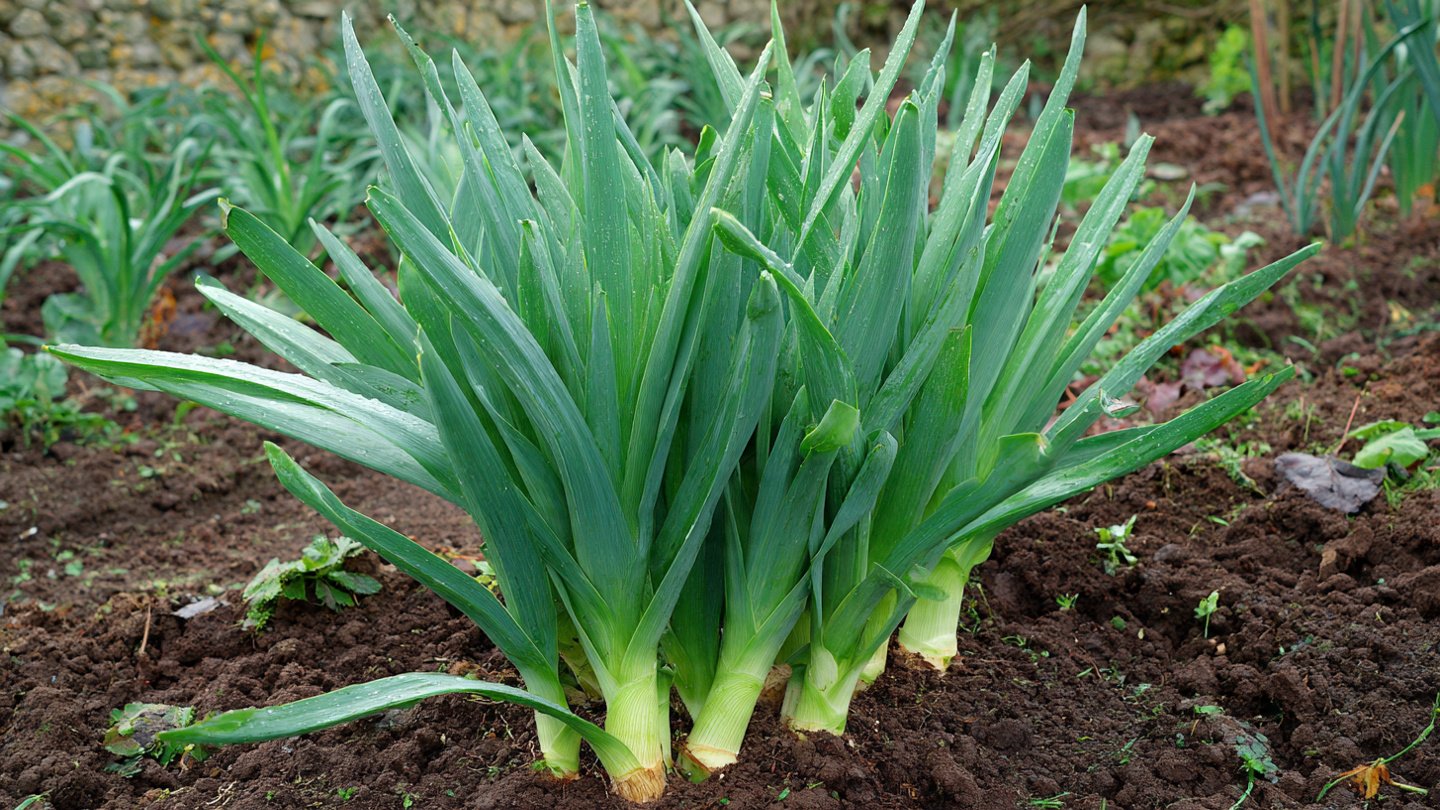
Growing perfect winter leeks is an art that requires planning, knowledge, and attention to detail. These resilient vegetables thrive in colder temperatures and can provide a tasty addition to many winter dishes. In this guide, we’ll explore how to cultivate hardy winter leeks to achieve a perfect crop.
To start with, it’s essential to understand the advantages of growing winter leeks. These vegetables are remarkably hardy and can withstand frost, making them a superb choice for winter harvesting. Winter leeks tend to have a sweeter flavor compared to their summer counterparts, largely due to the cold temperatures causing the sugars within them to concentrate. This natural sweetness, combined with their versatility in cooking, makes leeks a great addition to your vegetable garden.
Selecting the right variety is the first step towards achieving a perfect crop of winter leeks. Some popular varieties include the Blue Solaise, Russell, and Winter White. Each lineup offers its unique features, such as resistance to pests and diseases, growth habits, and flavor profiles. When selecting leeks, consider your local climate and the length of your growing season. This choice will impact the growing conditions and the eventual quality of your leeks.
Next, timing plays a crucial role in growing leeks. For winter leeks, sowing seeds indoors can begin as early as February or March, whereas direct sowing outdoors should occur in late April to early May. This staggered approach provides a continuous harvest throughout the season. It is vital to follow the guidelines for your specific variety and climate zone to ensure successful germination and growth.
Soil preparation is another critical factor in growing leeks. Choose well-drained soil enriched with organic matter. The soil should have a pH level between 6 and 7 for optimal growth. Adding compost or well-rotted manure can enhance soil fertility and structure. Ensuring that your soil is loose and free of rocks will facilitate the growth of the leeks’ long, tender stalks.
When sowing seeds, whether indoors or outdoors, ensure the planting depth is appropriate. Leeks grow best when seeds are sown at a depth of about half an inch. After sowing, maintain consistent moisture to promote germination. Once seedlings emerge, it is important to thin them out to reduce competition and allow for healthy growth. Ideally, seedlings should be spaced about 6 inches apart, with rows set at least 12 inches apart.
Proper watering is essential for leek cultivation. Winter leeks require consistent moisture levels, but it is also important to prevent waterlogged conditions. Watering should be done early in the day to allow excess moisture to evaporate, reducing the risk of fungal diseases. As leeks mature, further attention should be paid to soil moisture levels. Mulching can help retain moisture and reduce the frequency of watering.
One of the distinctive features of leeks is their unique growth form. They are typically grown in shallow holes, a technique known as “blanching.” This method prevents the stalks from turning green and allows for a tender and flavorful end product. To achieve this, gradually hill up soil at the base of the plants as they grow. This practice not only promotes blanching but also provides additional support to the plants, preventing them from falling over.
Fertilization is another vital aspect of leek cultivation. After the leeks have established themselves, applying a balanced fertilizer every four to six weeks can boost growth and health. Look for fertilizers that provide a balanced ratio of nitrogen, phosphorus, and potassium. Nitrogen is particularly important for leafy growth, while phosphorus promotes root development.
Pest and disease management is crucial for a successful crop. Leeks are susceptible to various pests, including onion maggots and aphids. One of the most effective ways to protect your crop is to implement crop rotation. Avoid planting leeks in the same location year after year to reduce the buildup of soil-borne diseases. Additionally, using row covers can help keep pests away from your young plants.
Another method of pest control is the use of companion planting. Certain plants can help deter pests from leeks. For example, planting marigolds nearby can attract beneficial insects that prey on common leek pests. Garlic and chives can also make excellent companions, as their strong scents may help repel pests.
Observing your leeks regularly is crucial for identifying issues early on. Check for signs of wilting, discoloration, or any unusual markings. Early detection can be the difference between a healthy crop and a failed one. If you notice any signs of disease or pests, take immediate action to mitigate the issue, whether that involves removing affected plants, applying organic pesticides, or adjusting environmental conditions.
As winter approaches, timing the harvest of your leeks is important. Leeks can be harvested any time after they reach a desirable size, typically ranging from 1 inch to 2 inches in diameter. Waiting until after the first frost can enhance the flavor due to the concentrated sugars. However, be careful to harvest them before harsh winter conditions set in, which can damage the plants. Harvesting involves loosening the soil around the plants using a spade or fork and gently pulling them out by their stalks.
Once harvested, leeks can be stored for several months in appropriate conditions. Keeping them in a cool, dark, and humid environment can help prolong their freshness. They can also be stored in a container filled with damp sand to maintain moisture levels. Regularly check for any signs of rot or decay, and remove any affected leeks promptly to prevent them from affecting the others.
In addition to proper growing techniques, it’s crucial to develop a plan for maximizing your harvest. This can include methods for preserving your leeks, such as freezing or pickling. Leeks can be frozen by blanching them first, which locks in their flavor and color. Properly prepared leeks can be enjoyed even after the growing season has ended.
If you’re looking to extend your harvest, consider growing other winter crops alongside leeks. This can provide diversity to your garden and may help in terms of pest management and soil health. Consider planting root vegetables next to your leeks, as they will have different nutrient requirements and will thrive in the same conditions.
In summary, achieving a perfect crop of hardy winter leeks involves a combination of the right variety selection, proper soil preparation, consistent watering, pest management, and thoughtful harvesting. By paying close attention to each of these aspects, you can enjoy a bountiful yield of winter leeks that are not only delicious but also nutritious.
The enjoyment derived from growing winter leeks extends beyond their culinary applications. They symbolize resilience and the ability to thrive even in harsh conditions, serving as a reminder of the rewards of patience and perseverance in gardening. As you cultivate your leeks, you are not just growing vegetables; you are engaging in a rewarding and fulfilling process that connects you to nature and encourages sustainable practices. The sweet, robust flavor of homegrown leeks can transform any dish into a masterpiece, providing a wonderful way to savor the fruits of your labor throughout the cold winter months.

