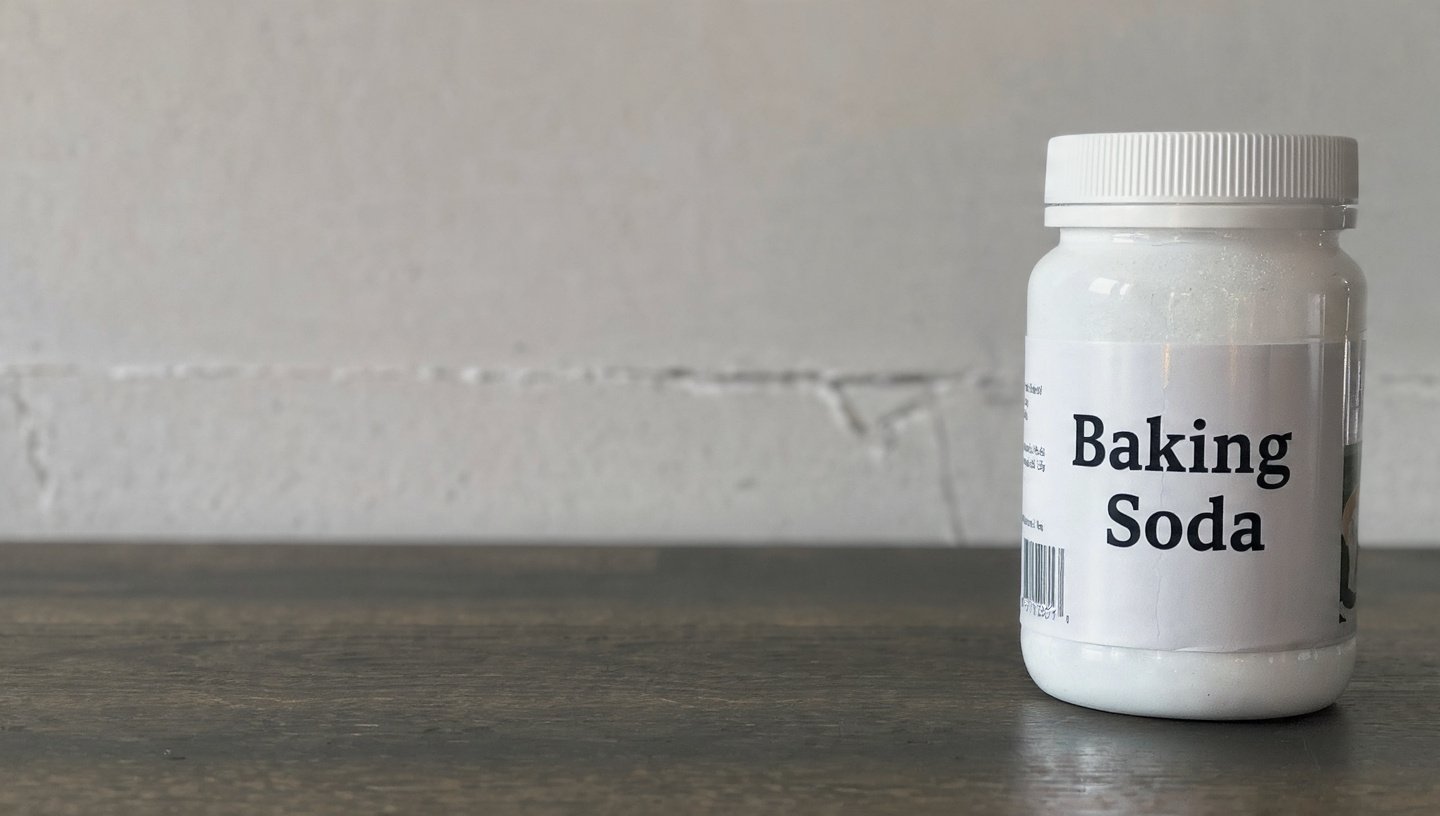
Fungal infections, ranging from mild to severe, have become a common health concern across various populations. With treatments ranging from over-the-counter antifungals to prescription medications, many individuals are seeking alternative remedies to manage these persistent issues. One such remedy that has gained popularity is baking soda, a household staple with numerous applications. This article explores whether baking soda is indeed the secret solution for fungal issues.
Understanding Fungal Infections
Fungal infections occur when fungi invade the body, leading to conditions such as athlete’s foot, nail fungus, and candidiasis. Fungi are ubiquitous in nature, making them difficult to avoid. Common symptoms of fungal infections include itching, redness, and scaling skin. In severe cases, these infections can lead to complications, particularly in individuals with weakened immune systems.
The most common types of fungal infections include:
- Candidiasis: Often caused by Candida albicans, this yeast infection can affect the skin, mouth, throat, and genital region.
- Dermatophyte Infections: Responsible for conditions like ringworm and athlete’s foot, these infections thrive in warm, moist environments.
- Nail Fungus: Characterized by discolored, thick, and separated nails, this condition can be particularly stubborn to treat.
The Role of Baking Soda
What Is Baking Soda?
Baking soda, or sodium bicarbonate, is a naturally occurring compound with a crystalline structure. It is known for its utility in baking, cleaning, deodorizing, and even personal care. Its alkaline nature allows it to neutralize acids, making it a versatile household item.

Antifungal Properties
Several studies support the antifungal properties of baking soda. Its efficacy stems from its ability to alter the pH environment in which fungi thrive. Most fungi prefer acidic habitats, and by neutralizing acidity, baking soda creates an environment where fungi struggle to survive.
1. pH Levels and Fungi
The pH balance of your body plays a crucial role in determining whether you are susceptible to fungal infections. When the body is overly acidic, it becomes a more favorable environment for fungi. Baking soda can help restore the alkaline balance, making it less hospitable for fungal growth.
2. Research Findings
Some research indicates that baking soda possesses significant antifungal properties. For example, a study published in the Journal of Clinical Microbiology found that baking soda was effective against Candida albicans and other pathogenic fungi.
Application Methods
Baking soda can be applied in various forms for treating fungal infections:
- Soaks: Dissolving baking soda in warm water creates a soak that can help alleviate foot or nail infections.
- Pastas: Mixing baking soda with water forms a paste that can be applied directly to affected areas, providing localized treatment.
- Sprays: Combining baking soda with water in a spray bottle allows for easy application on larger areas or textiles.

Recipe for a Baking Soda Foot Soak
To create an effective foot soak:
- Ingredients: ½ cup of baking soda, warm water, a basin.
- Directions: Fill the basin with enough warm water to submerge your feet. Add the baking soda and stir until dissolved. Soak your feet for 15-20 minutes, then dry thoroughly.
Integrating Baking Soda Into Your Routine
While baking soda can be effective, it is important to integrate it thoughtfully into your health routine. Here are some tips:
1. Consistency Is Key
For best results, apply your baking soda treatments consistently. Fungal infections can be stubborn, requiring ongoing treatment for a significant period.
2. Combine with Other Treatments

Consider using baking soda in conjunction with other antifungal treatments. For instance, using an over-the-counter antifungal cream alongside baking soda applications may enhance effectiveness.
3. Maintain Proper Hygiene
Good hygiene practices are vital in preventing fungal infections. Regularly wash and dry your feet, wear breathable footwear, and avoid walking barefoot in communal areas to reduce exposure to fungi.
4. Monitor Progress
Keep an eye on your symptoms. If you don’t see improvement after a few weeks of treatment, consult a healthcare professional for further evaluation.
Precautions and Considerations
While baking soda is largely considered safe for topical use, there are some precautions to keep in mind:
1. Sensitivity and Reactions
Some individuals may experience skin sensitivity or irritation from baking soda. It’s always wise to conduct a patch test on a small skin area before widespread application.
2. Consultation with a Healthcare Provider

Before embarking on any new treatment, particularly for severe or chronic infections, consulting with a healthcare provider is crucial. They can provide tailored advice based on your unique health situation.
3. Not a Replacement for Medical Treatment
Baking soda should be viewed as a complementary remedy rather than a complete replacement for medical treatments, especially in severe cases.
Other Natural Remedies
If you’re considering alternative options for treating fungal infections, baking soda is not alone in its antifungal properties. Other natural remedies include:
1. Tea Tree Oil
Known for its antimicrobial properties, tea tree oil can be diluted with a carrier oil and applied topically to fungal infections.
2. Apple Cider Vinegar
The acidity of apple cider vinegar may help in treating infections, as it can restore the skin’s pH balance.
3. Garlic

Garlic is known for its antifungal and antibacterial properties. Incorporating it into your diet or applying crushed garlic to affected areas may yield benefits.
4. Coconut Oil
The medium-chain fatty acids in coconut oil have antifungal properties and can be applied directly to the skin.
Scientific Support and Skepticism
While there’s anecdotal evidence supporting baking soda’s efficacy against fungal infections, scientific research is essential in substantiating these claims. While some studies indicate success, additional rigorous research is needed to firmly establish its effectiveness. Moreover, the individual responses may vary, and what works for one person may not work for another.
Conclusion
So, is baking soda the secret solution for fungal issues? The answer is potentially yes, but with caveats. Baking soda exhibits antifungal properties that can be beneficial in managing mild infections, providing an accessible and low-cost treatment alternative. However, it should not replace established medical treatments, especially for chronic or severe cases.
As with any treatment plan, it’s vital to consult healthcare professionals, maintain good hygiene practices, and monitor symptoms to ensure optimal outcomes. In a world increasingly turning toward natural remedies for health issues, baking soda stands out as a promising, albeit not universally effective, solution for addressing fungal infections.