In recent years, there has been a growing movement towards more sustainable lawn care practices. Traditional lawns, often dominated by grass, require significant resources for maintenance, from water to fertilizers and pesticides. Clover, on the other hand, has emerged as a viable alternative that not only conserves resources but also enhances the overall health of your lawn. In this article, we will explore why this might be the ideal year for you to start planting clover in your lawn.
What is Clover?
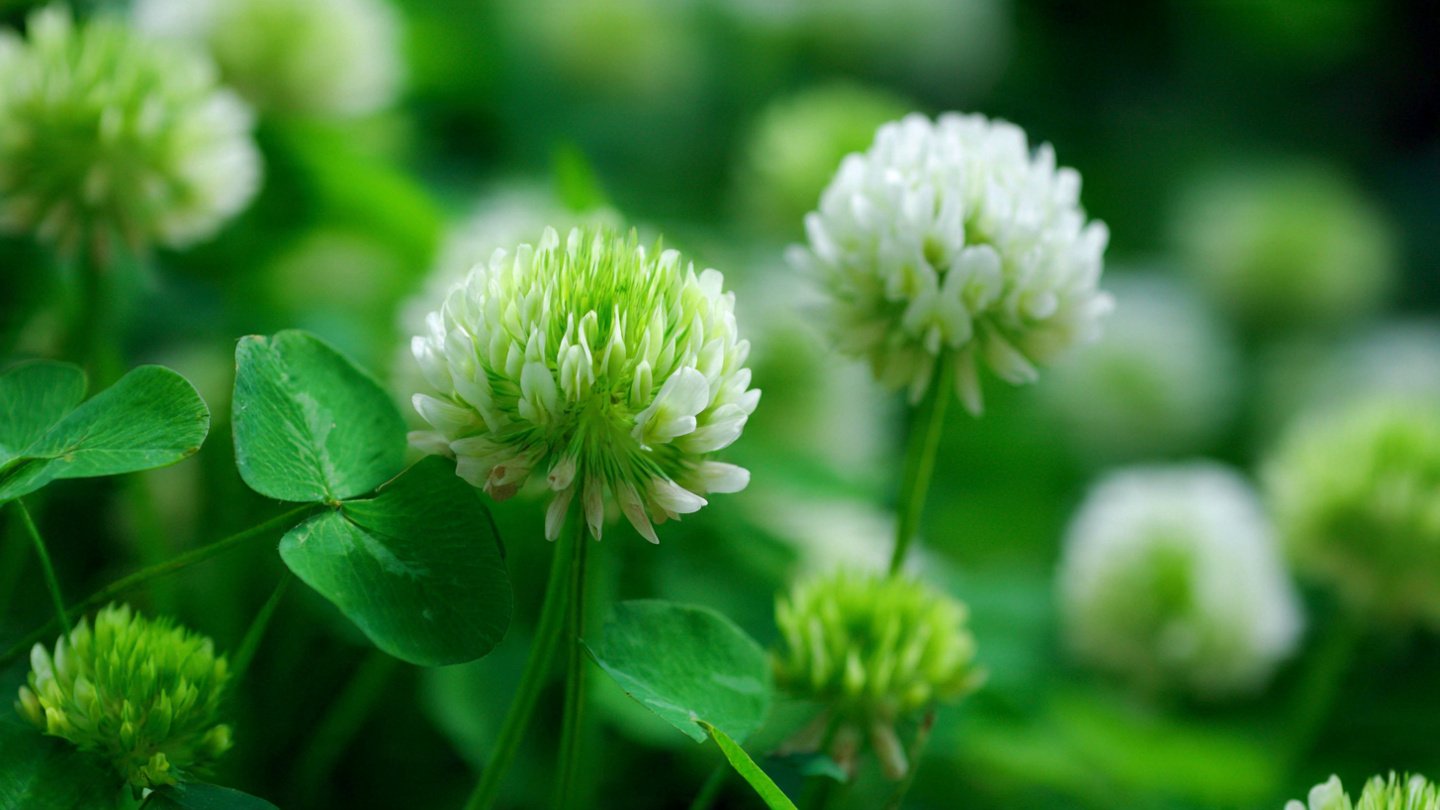
Clover is a member of the legume family, known scientifically as Trifolium. It includes various species, with white clover (Trifolium repens) and red clover (Trifolium pratense) being among the most common. These plants are characterized by their three-leaf structure and flowering capabilities. Clover is often recognized for its vibrant green color and thick growth, making it an attractive option for lawns and gardens.
The Benefits of Planting Clover
Clover offers numerous advantages over traditional grass lawns. Here are some of the key benefits:
- Reduced Maintenance: Because clover is a low-growing plant, it requires less mowing. Additionally, it is drought-resistant and can survive with minimal irrigation.
- Nitrogen Fixation: Clover has the unique ability to fix atmospheric nitrogen, enriching the soil and reducing the need for chemical fertilizers.
- Weed Suppression: The dense growth of clover can outcompete many common weeds, reducing the need for herbicides.
- Soil Health: Clover improves soil structure, aeration, and moisture retention, promoting a healthier lawn ecosystem.
- Pollinator Friendly: Clover flowers are an excellent source of nectar for bees and other pollinators, supporting local ecosystems.

When is the Best Time to Plant Clover?
The ideal time to plant clover is during the spring or early fall. Here’s a breakdown of the best planting times:
- Spring: Aim to plant clover when temperatures are consistently above 60°F (15°C). This gives the plants ample time to establish before summer heat.
- Fall: Early fall is also a great option as temperatures are cooling but still conducive to growth. Be mindful to plant at least 4-6 weeks before the first frost.
How to Plant Clover in Your Lawn
Planting clover is a straightforward process. Here’s how to do it:
1. Preparing the Site
Clear the area of any existing grass or weeds. You can use a rake to loosen the soil and create a good seedbed.

2. Choosing the Right Clover Seed
White clover is typically preferred for lawns due to its low growth and hardiness. However, you may also consider a mix of clover varieties depending on your specific needs.
3. Seeding
Sow clover seeds at a rate of about 1 to 2 pounds per 1,000 square feet. You can either hand-seed or use a broadcast spreader to distribute the seeds evenly.
4. Watering
After planting, water the area lightly to promote germination. Keep the soil moist until the seeds have germinated, which typically takes 7-14 days.
5. Establishing Care
Once established, clover requires minimal care. Mow occasionally to maintain the desired height, but avoid mowing too short to allow the plants to thrive.

Considerations Before Planting Clover
While clover has numerous advantages, it’s important to consider a few factors before making the switch:
- Climate: Clover grows well in temperate climates, but extreme heat or cold can affect its performance.
- Competition: If your lawn is heavily established with grass, it may require more effort to transition to clover.
- Type of Use: Clover is best suited for ornamental lawns or low-traffic areas. If your lawn experiences heavy foot traffic, you may need additional maintenance.
Common Myths About Clover
Despite its many benefits, there are several misconceptions about using clover in lawns:
- Clover Attracts Bees: While it’s true that clover draws pollinators, this is beneficial for your local ecosystem and can be managed by mowing before clover flowers.
- Clover is Weedy: Many people confuse clover with undesirable weeds, but clover can coexist beautifully within a mixed lawn ecosystem.
- It’s Only for Rural Settings: Clover can be just as attractive and useful in suburban and urban environments.

Conclusion
Clover presents an excellent alternative to traditional grass lawns, offering numerous environmental, aesthetic, and practical benefits. If you are considering changing your lawn care practices, this year could be the perfect time to start planting clover. With reduced maintenance, improved soil health, and support for pollinators, clover doesn’t just beautify your landscape; it contributes positively to the local ecosystem. By understanding the best practices for planting and maintaining clover, you can enjoy a vibrant lawn that enhances both your property and the environment.
FAQs
1. Can I mix clover with grass?
Yes, clover can be mixed with grass to create a more diverse lawn that benefits from both plants’ strengths. This mix can provide a lush appearance while benefiting soil health.
2. How tall does clover grow?
Most varieties of clover, especially white clover, tend to stay low to the ground, typically growing to about 6-12 inches in height.

3. Will clover take over my lawn?
Clover can spread quickly, but in mixed settings, it typically coexists with grass rather than overtakes it. Regular mowing helps maintain balance.
4. Is clover resistant to drought?
Yes, clover is generally more drought-resistant than many types of grass, making it a sustainable option for areas prone to dry spells.
5. How do I control clover growth?
If you want to limit clover growth, regular mowing, and overseeding with grass can help maintain your desired lawn appearance and balance.