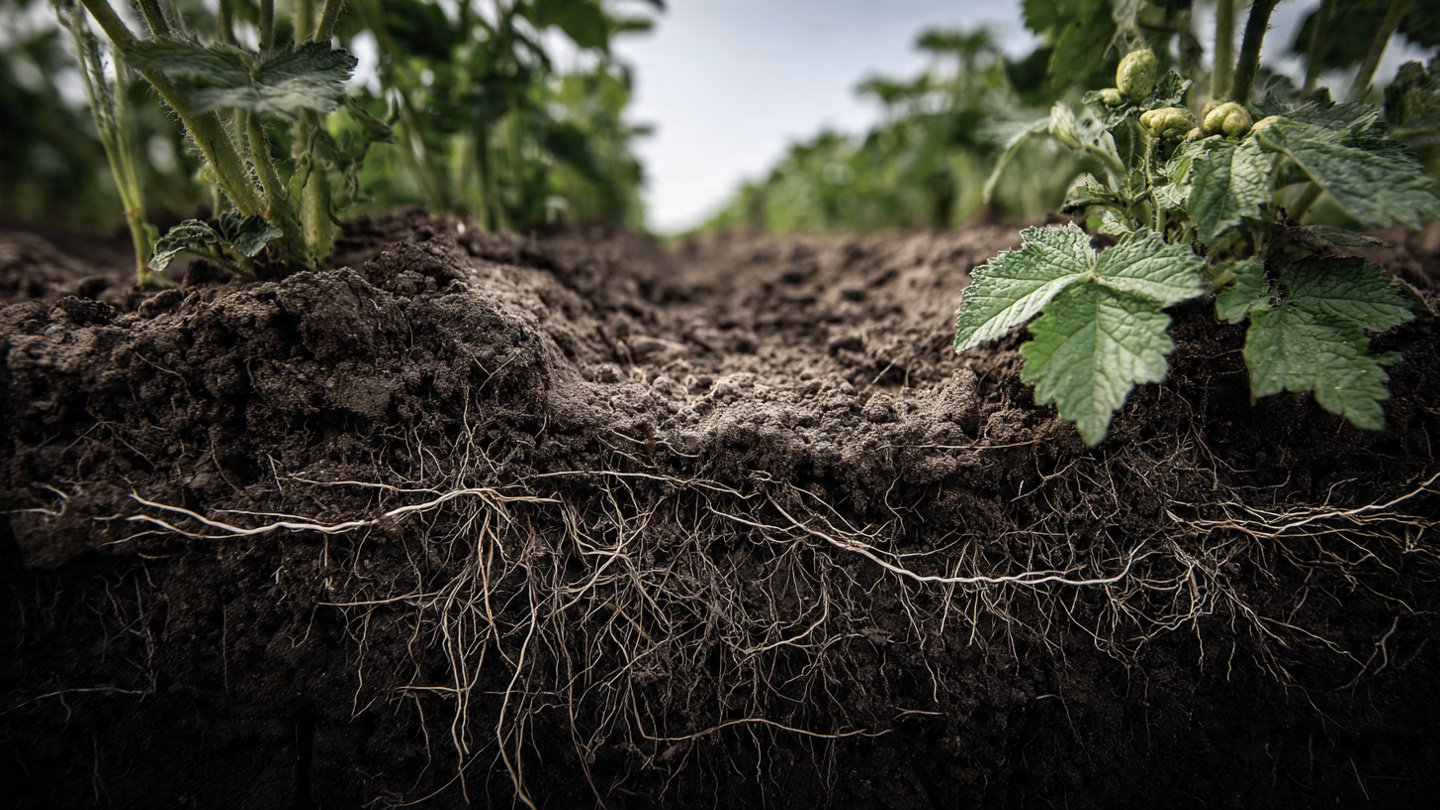
Mycorrhizal fungi are a crucial component of healthy soil ecosystems. These fascinating organisms form symbiotic relationships with the roots of most plants, enhancing nutrient uptake and overall plant health. By transforming soil health, these fungi can lead to more productive gardens, farms, and ecosystems.
The Role of Mycorrhizal Fungi in Soil Health
To appreciate the transformative power of mycorrhizal fungi, it’s essential to understand their functions within the soil ecosystem.
Nutrient Acquisition
Mycorrhizal fungi extend their hyphae (microscopic filaments) into the soil, significantly increasing the surface area for water and nutrient absorption. This means:
- Enhanced Phosphorus Uptake: Phosphorus is a crucial nutrient for plants. Mycorrhizal fungi make phosphorus more available, promoting stronger root systems and better flowering.
- Improved Nitrogen Availability: Some mycorrhizal fungi assist in the conversion of nitrogen from the soil into forms that plants can readily utilize.
- Access to Micronutrients: These fungi aid in the uptake of essential micronutrients, such as copper and zinc, improving overall plant health.
Soil Structure Improvement

Mycorrhizal fungi also play a vital role in soil aggregation. They help bind soil particles together, which leads to improved soil structure. This has several benefits:
- Increased Aeration: A well-structured soil allows air to penetrate, promoting the health of both roots and beneficial soil microbes.
- Enhanced Water Retention: Good soil structure means moisture is retained more effectively, reducing the need for frequent watering.
- Reduced Erosion: Stronger soil aggregates help prevent erosion by wind and water.
Disease Resistance
Mycorrhizal fungi can also enhance a plant’s ability to resist soil-borne diseases. By colonizing plant roots, they create a protective barrier against pathogens, leading to:
- Reduced Infection Rates: Fungal colonization often deters pathogens from establishing in the root zone.
- Stress Management: Healthier plants can better withstand environmental stresses, such as drought and salinity.
Types of Mycorrhizal Fungi
There are two primary types of mycorrhizal fungi: arbuscular mycorrhizal (AM) fungi and ectomycorrhizal (ECM) fungi. Each plays a unique role depending on the plant species and soil conditions.

Arbuscular Mycorrhizal Fungi (AMF)
AMF are the most common type, forming symbiotic relationships with around 80% of terrestrial plants. They penetrate the plant’s root cells and form structures called arbuscules, facilitating nutrient exchange. AMF are particularly effective in accessing phosphorus and are essential in agricultural settings.
Ectomycorrhizal Fungi (ECM)
ECM typically associate with trees, especially conifers and some hardwoods. Unlike AMF, they do not penetrate root cells; rather, they form a sheath around the root system. ECM are effective at acquiring nitrogen and also play a role in the decomposition of organic matter, releasing nutrients back into the soil.
How to Introduce Mycorrhizal Fungi to Your Soil
Incorporating mycorrhizal fungi into your soil can be done through several methods, especially beneficial for gardeners and farmers.
1. Mycorrhizal Inoculants
Mycorrhizal inoculants are commercially available products containing spores or hyphae of beneficial fungi. When purchasing, look for:
- Quality: Ensure the product is from a reputable supplier and contains live spores.
- Species Suitability: Choose an inoculant that matches the plants you intend to grow.

2. Soil Health Practices
Improving soil health can naturally encourage the proliferation of mycorrhizal fungi. Some effective practices include:
- Reducing Tillage: Minimize soil disturbance to protect fungal hyphae.
- Adding Organic Matter: Incorporate compost and mulch to provide food and habitat for fungi.
- Plant Diversity: Grow a variety of plants to attract different mycorrhizal species.
3. Avoiding Chemicals
Avoid using synthetic fertilizers, pesticides, and herbicides that can harm fungal populations. If using fertilizers, opt for organic options that support soil biology.
Monitoring and Assessing Soil Health
To gauge the effectiveness of your mycorrhizal inoculation and practices, consider the following assessments:

- Soil Tests: Regular soil testing can provide insights into nutrient levels and overall soil health.
- Plant Health: Monitor your plants for growth patterns, flowering, and resistance to stress or disease.
- Microbial Activity: Assessing the presence of beneficial microbes can indicate healthy soil ecosystems.
Conclusion
Mycorrhizal fungi are essential for transforming your soil health, enhancing nutrient and water absorption, improving soil structure, and increasing resilience against diseases. By understanding and utilizing these organisms, gardeners and farmers can foster thriving ecosystems that ultimately lead to more productive plants and sustainable practices. Whether through the use of inoculants, organic amendments, or improved soil health strategies, integrating mycorrhizal fungi into your soil management approach can yield significant benefits both in the short term and over time.
FAQs
What are mycorrhizal fungi?
Mycorrhizal fungi are beneficial organisms that form symbiotic relationships with plant roots, enhancing nutrient and water uptake.
Can I use mycorrhizal fungi in containers?

Yes, mycorrhizal fungi can be beneficial in container gardening. Use mycorrhizal inoculants when planting to improve growth and health.
How do I know if my soil has mycorrhizal fungi?
Common indicators of mycorrhizal fungi include healthy root systems, improved plant growth, and resilient plants. Soil testing can also provide insights.
Are there any plants that don’t benefit from mycorrhizal fungi?
Some plants, such as certain brassicas and a few crops, have limited or no association with mycorrhizal fungi, but the majority benefit from these relationships.
How often should I apply mycorrhizal inoculants?
Application frequency depends on the product, but generally, once during planting is sufficient. Follow the manufacturer’s recommendations for best results.