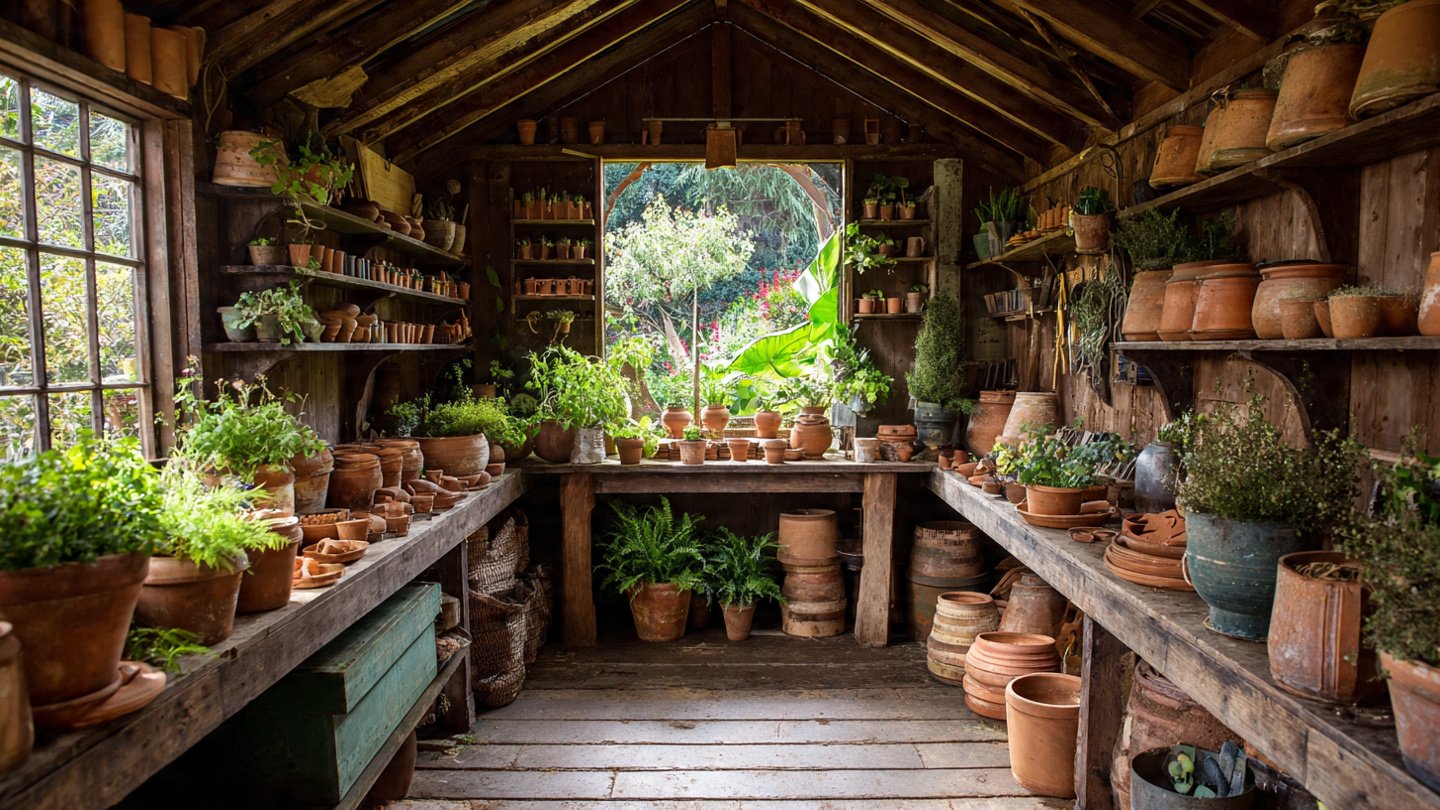
A potting shed is more than just a workspace; it’s a sanctuary for gardeners. A well-organized potting shed enhances efficiency, creativity, and even your overall gardening experience. Whether you’re an avid gardener or a casual hobbyist, having an organized potting shed can save time and effort, giving you more opportunities to enjoy your plants. Here’s how to transform your potting shed into a perfectly organized oasis.
Assess Your Space
Before diving into organizational techniques, take a moment to assess your current potting shed situation. Measure the space available and note the types and sizes of tools and materials you use. Understanding your space is the first step to organization.
1. Inventory Your Supplies
Create a thorough inventory of all your gardening supplies, including:
- Tools (trowels, pruners, spades)
- Soil and potting mixes
- Pots and containers
- Seeds and bulbs
- Fertilizers and pesticides
- Gardening books and resources

Sorting your items helps in understanding what you need to store and how to categorize them effectively.
Group Similar Items
Once you have your inventory, start grouping similar items together. This process streamlines your work and helps you find things easily.
2. Create Zones
Divide your potting shed into distinct zones based on categories:
- Tool Zone: Hooks and pegboards can be effective in storing tools.
- Planting Zone: Reserve a work table for potting and planting activities.
- Storage Zone: Shelves or cabinets can store potting mixes, seeds, and fertilizers.
By creating specific zones, you ensure that everything has its place, making it easier to maintain organization.
Choosing the Right Storage Solutions
Organizing your potting shed also involves selecting the right storage solutions. Consider the following:

3. Use Vertical Space
Vertical storage is a game-changer in smaller potting sheds. Options include:
- Wall-mounted shelves or racks for pots and tools.
- Hanging baskets for small tools or seeds.
- Vertical planters for easy access to frequently used plants.
4. Locked Storage for Chemicals
Many gardening supplies, such as fertilizers and pesticides, can be hazardous if ingested or misused. Keep these items in a locked storage space, out of reach of children and pets. This practice not only promotes safety but also helps you maintain an organized appearance.
5. Clear Bins and Labels
Using clear bins can help you quickly identify your supplies at a glance. Label each bin clearly, indicating its contents. This system minimizes clutter and reduces time spent searching for items.
Optimize the Work Surface
Your potting table may be the centerpiece of the shed. Make sure it’s:

6. Well-Lit
A well-lit work surface can make potting tasks easier. If possible, place your potting table near a window or install task lighting.
7. Spacious
Ensure your work area has enough space to spread out materials. Avoid overcrowding your table to improve functionality.
8. Equipped with Essentials
Keep essential tools and materials within arm’s reach. This might include:
- Potting soil
- A watering can
- Hand tools
- Labels and markers for tagging plants
Maintain Your Organization
Now that you have organized your potting shed, maintaining it is key. Here’s how:

9. Regularly Reassess
Periodically reevaluate your space and supplies. Are there items you no longer use? Would a different layout improve your workflow? A seasonal check can keep your potting shed efficient.
10. Clean as You Go
After every gardening session, take a few minutes to return tools and supplies to their designated places. This habit prevents clutter from building up.
Conclusion
Achieving a perfectly organized potting shed is a transformative process that enhances your gardening experience. By assessing your space, grouping similar items, choosing the right storage solutions, optimizing your work surface, and maintaining order, you can create a functional and enjoyable workspace. Your potting shed can become a reflection of your gardening passion and an efficient hub for cultivating your green oasis.
FAQs
1. What are the essential items every potting shed should have?
Essential items include tools (trowels, pruners), pots and containers, potting soil, fertilizers, and watering cans. Additionally, consider having labels, a work table, and storage solutions like bins and shelves.
2. How can I make my potting shed more comfortable to work in?
Adding proper lighting, ventilation, and comfortable seating can enhance your potting shed’s comfort. Consider installing a fan for airflow and ensuring the area is clean and clutter-free.

3. How often should I clean my potting shed?
A seasonal cleaning is recommended, but it’s beneficial to tidy up and organize after each gardening session to keep clutter at bay.
4. Can I use my potting shed for more than just potting plants?
Absolutely! Many gardeners use their potting sheds for storage, as a workspace for DIY projects, or even as a relaxing retreat. Just ensure gardening activities remain organized to maximize efficiency.
5. What’s the best way to store gardening supplies safely?
Store hazardous materials like fertilizers and pesticides in a locked container, and use shelves and bins to keep less hazardous items neatly organized and accessible.