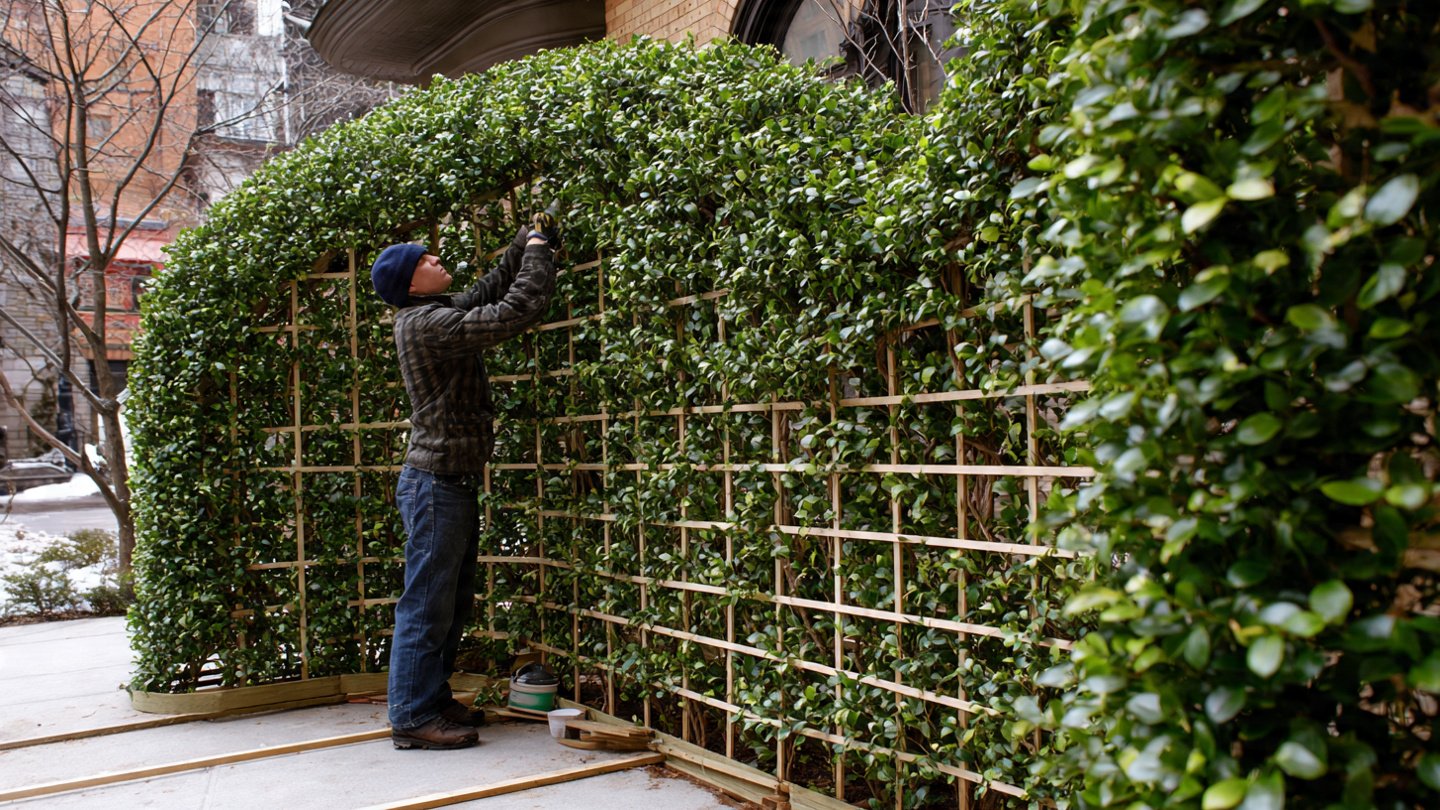
Fairy gardens are enchanting miniature landscapes that spark creativity and whimsy. They offer a unique way to connect with nature while allowing your imagination to roam freely. Designing a sophisticated fairy garden involves careful planning, an eye for detail, and the integration of various elements that make it truly magical. Here’s how you can create a fairy garden that captivates imaginations of both young and old.
1. Choosing the Right Location
The first step in designing your fairy garden is selecting an appropriate location. Your chosen spot should receive a good amount of natural light, have access to water, and be sheltered from strong winds. Here are some considerations:
- Sunlight: Most plants thrive in sunlight, so pick a location that gets at least 6 hours of direct sunlight daily.
- Accessibility: Ensure the garden is easily accessible for regular maintenance and enjoyment.
- Visibility: Choose a spot visible from your home, which encourages you to interact with it regularly.
2. Selecting the Right Container
Your fairy garden can be created in various containers, from large planters to repurposed items. When choosing a container, consider the aesthetic and practicality:
- Size: Ensure your container is large enough to support the plants and accessories you want to include.
- Material: Choose materials like ceramic, wood, or stone as they add charm.
- Drainage: Make sure your container has drainage holes to prevent root rot.

3. Selecting Plants that Evoke Fantasy
The plants you choose will play a crucial role in creating a magical atmosphere. Opt for small, delicate plants that mimic the types of flora found in fairy tales:
- Miniature and dwarf varieties: Look for plants such as dwarf conifers, miniature roses, or ground covers like creeping thyme.
- Cacti and succulents: These are great for low-maintenance gardens and add unique textures.
- Flowering plants: Consider flowers like violets and pansies that provide vibrant colors.
4. Adding Charming Accessories
Accessories bring an element of storytelling to your fairy garden. Incorporating charming decor can create scenes that delight the eye:
- Fairy houses: Small, whimsical houses can serve as the setting for your garden’s fairy inhabitants.
- Pathways: Use small stones or pebbles to create pathways flowing through the garden.
- Miniature furniture: Tiny benches, tables, and chairs can make the space feel lived in and inviting.

5. Incorporating Water Features
A water feature can enhance the serene atmosphere of your fairy garden. It can be as simple or elaborate as you desire:
- Mini ponds: A small dish or pond filled with water, surrounded by pebbles and plants, can bring tranquility.
- Fountains: Consider a miniature fountain for the soothing sound of flowing water.
- Bird baths: These not only attract birds but add a delightful element to your fairy garden.
6. Creating a Theme
A defined theme can tie all elements of your fairy garden together. Some popular themes include:
- Woodland: Incorporate moss, mushrooms, and woodland creatures.
- Beach: Use sand, seashells, and tiny beach chairs.
- Fantasy: Incorporate mythical creatures like unicorns or dragons.

7. Maintenance and Care
Ongoing maintenance is essential to keep your fairy garden looking its best. Regular tasks can include:
- Watering: Ensure plants receive adequate water, especially in warmer months.
- Pruning: Trim overgrown plants to maintain an immaculate appearance.
- Cleaning: Remove any debris to keep the garden looking tidy and enchanting.
8. Encouraging Imagination
A key purpose of a fairy garden is to inspire creativity. Engage with both young and old by incorporating storytelling elements:
- Creative narratives: Encourage children to create stories featuring the characters and settings in the garden.
- Seasonal changes: Switch decorations and accessories according to the seasons to keep the garden fresh and exciting.

Conclusion
Designing a sophisticated fairy garden is a delightful endeavor, merging art and nature to create a captivating miniature world. By carefully selecting a location, container, plants, and charming accessories, you can construct a fairy garden that not only attracts the imagination but also fosters a sense of calm and wonder. This whimsical project can serve as a source of joy and creativity, not just for you, but for everyone who steps into your enchanted world.
FAQs
1. How can I protect my fairy garden from pests?
To protect your fairy garden, consider using natural repellents, regular cleaning, and encouraging beneficial insects such as ladybugs.
2. Can I include real fairies in my garden?
While real fairies might be elusive, you can add elements that symbolize them, such as fairy figurines or decorative touches that evoke a sense of magic.

3. What is a good time of year to start a fairy garden?
Spring is an ideal time to start a fairy garden, as most plants thrive in warmer weather and you can enjoy watching your garden grow throughout the season.
4. How often should I change the decorations in my fairy garden?
It’s fun to change decorations seasonally, but you can also update them whenever you feel inspired!
5. Are miniature plants difficult to care for?
Miniature plants can be just as easy to care for as regular-sized plants; it depends on the species you choose. Ensure you understand their specific needs for sunlight and water.