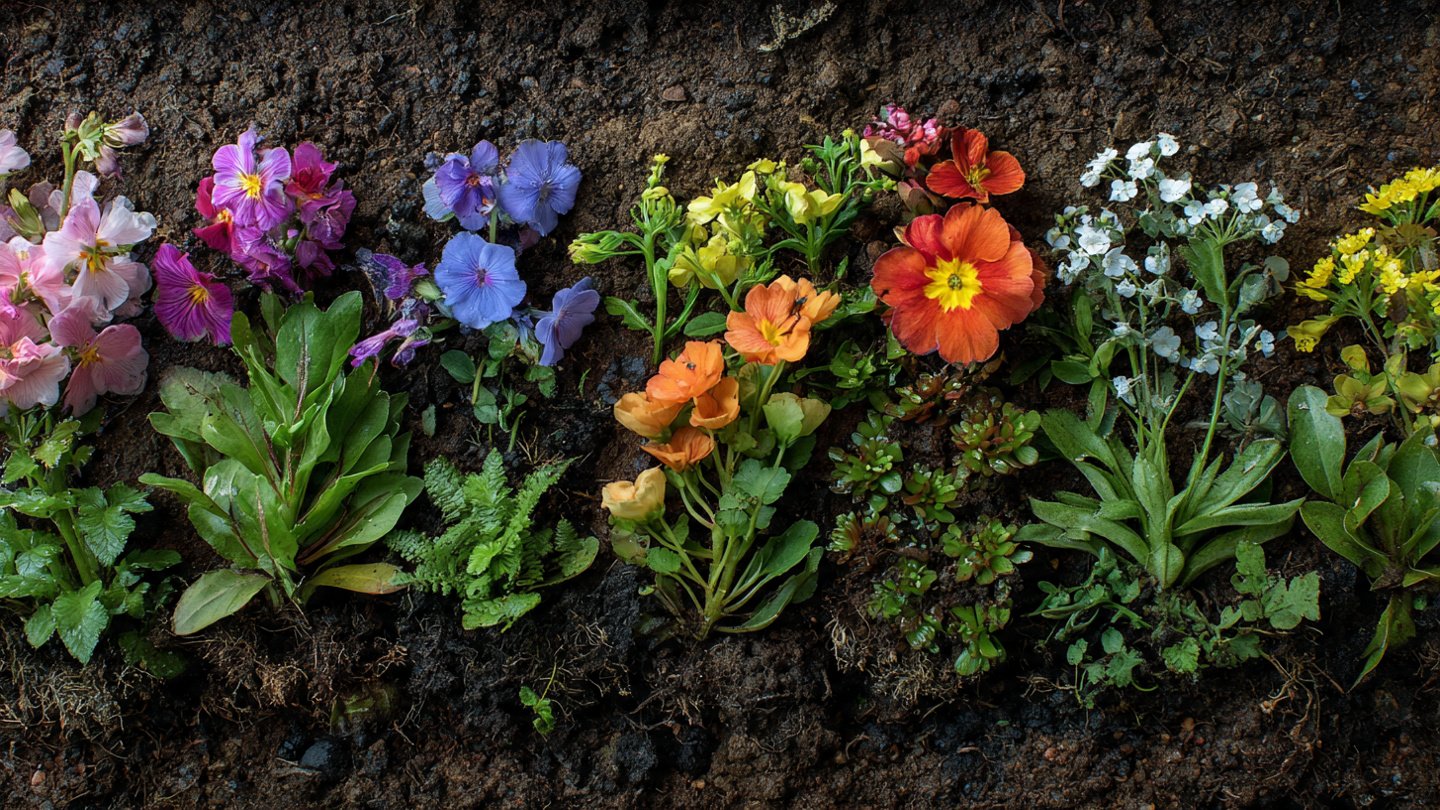
Heavy clay soil presents unique challenges for gardeners. Known for its poor drainage and compact nature, this type of soil can make growing flowers a frustrating venture. However, with the right techniques and approaches, it is possible to cultivate vibrant blooms even in these less-than-ideal conditions. This article delves into the characteristics of heavy clay soil, provides practical gardening strategies, and shares insights on selecting the right flowers.
Understanding Heavy Clay Soil
Before tackling the challenge of gardening in heavy clay soil, it’s important to understand its properties. Clay soil consists of fine particles that are closely packed together, granting it a sticky feel when wet and a hard, compact surface when dry. This texture impacts water retention, drainage, and nutrient availability, all of which are crucial for healthy flower growth.
Characteristics of Heavy Clay Soil
- Poor Drainage: Water tends to pool on the surface rather than percolate through the ground.
- Low Aeration: Compact soil restricts air flow, which is essential for root development.
- Nutrient-Rich: Despite its challenges, clay soil can be rich in nutrients; the key lies in how they are accessed by plants.
- Temperature Regulation: Clay warms slowly in the spring and retains heat longer in the fall compared to sandy soils.
Strategies for Cultivating Flowers in Clay Soil

Now that we’ve established what heavy clay soil is, let’s look at some strategies to successfully cultivate flowers within it.
1. Improving Soil Structure
Improving the structure of heavy clay soil is essential for successful flower gardening. Here are ways to do it:
- Add Organic Matter: Incorporating compost or well-rotted manure can improve drainage and aeration while enhancing nutrient content.
- Use Gypsum: This mineral helps to break up compacted clay soil and improves aeration.
- Tilling: Regular tilling can create pathways for air and water, promoting root growth.
2. Creating Raised Beds
Raised garden beds can significantly benefit gardeners dealing with heavy clay soil. By elevating the soil above the existing clay, you create an environment better suited for drainage and root development.
3. Choosing the Right Plants

Selecting flowers that thrive in heavy clay is crucial. Some flowers are naturally well-adapted to clay conditions:
- Daylilies (Hemerocallis): These hardy perennials can thrive in a variety of soil conditions, including clay.
- Black-Eyed Susans (Rudbeckia): Known for their resilience, they do well in poor soils.
- Bee Balm (Monarda): This perennial is not only beautiful but thrives in clay soils.
4. Ensuring Proper Watering Practices
Water management is vital in clay soil. Due to poor drainage, overwatering can lead to root rot. Here are some best practices:
- Water Deeply but Infrequently: This encourages deep root growth and minimizes surface pooling.
- Monitor Soil Moisture: Use a moisture meter to determine when to water.
5. Mulching

Applying a layer of mulch can help retain soil moisture, regulate temperature, and suppress weeds. Organic mulches like wood chips or straw are particularly effective as they decompose over time, further enriching the soil.
Seasonal Considerations
Understanding seasonal changes is essential for any gardener—especially when dealing with heavy clay soil. Here’s what to keep in mind:
Spring Preparation
In the spring, focus on tilling and adding organic amendments. Ensure that the soil is workable before planting. Wait until the soil is dry enough to prevent compaction before tilling.
Summer Care
During summer months, monitor the moisture levels carefully. Maintain an appropriate watering schedule, ensuring not to overwater.
Fall Maintenance
Fall is a great time to add compost and organic material to your flower beds. As the flowers die back, clear away debris to prevent diseases and pests from overwintering.

Conclusion
While cultivating vibrant flowers in heavy clay soil poses challenges, employing the right strategies can lead to a flourishing garden. By improving soil structure, opting for suitable plants, managing water effectively, and considering seasonal factors, gardeners can unlock the beauty hidden in heavy clay conditions. With patience and persistence, anyone can transform their garden into a tapestry of vibrant blooms that thrive in the most unexpected environments.
FAQs
1. Can I grow flowers in heavy clay soil?
Yes, many resilient flowers can thrive in heavy clay soil with proper care and soil amendments.
2. What are some common flowers that grow well in clay soil?
Some examples include Daylilies, Black-Eyed Susans, and Bee Balm.

3. How can I improve drainage in clay soil?
Incorporate organic matter, use gypsum, and consider creating raised beds to improve drainage.
4. Is it necessary to water more often in clay soil?
No, it is generally better to water deeply but less frequently to avoid waterlogging the soil.
5. When is the best time to amend clay soil?
Spring and fall are optimal times for amending clay soil to enhance its structure and nutrient content.