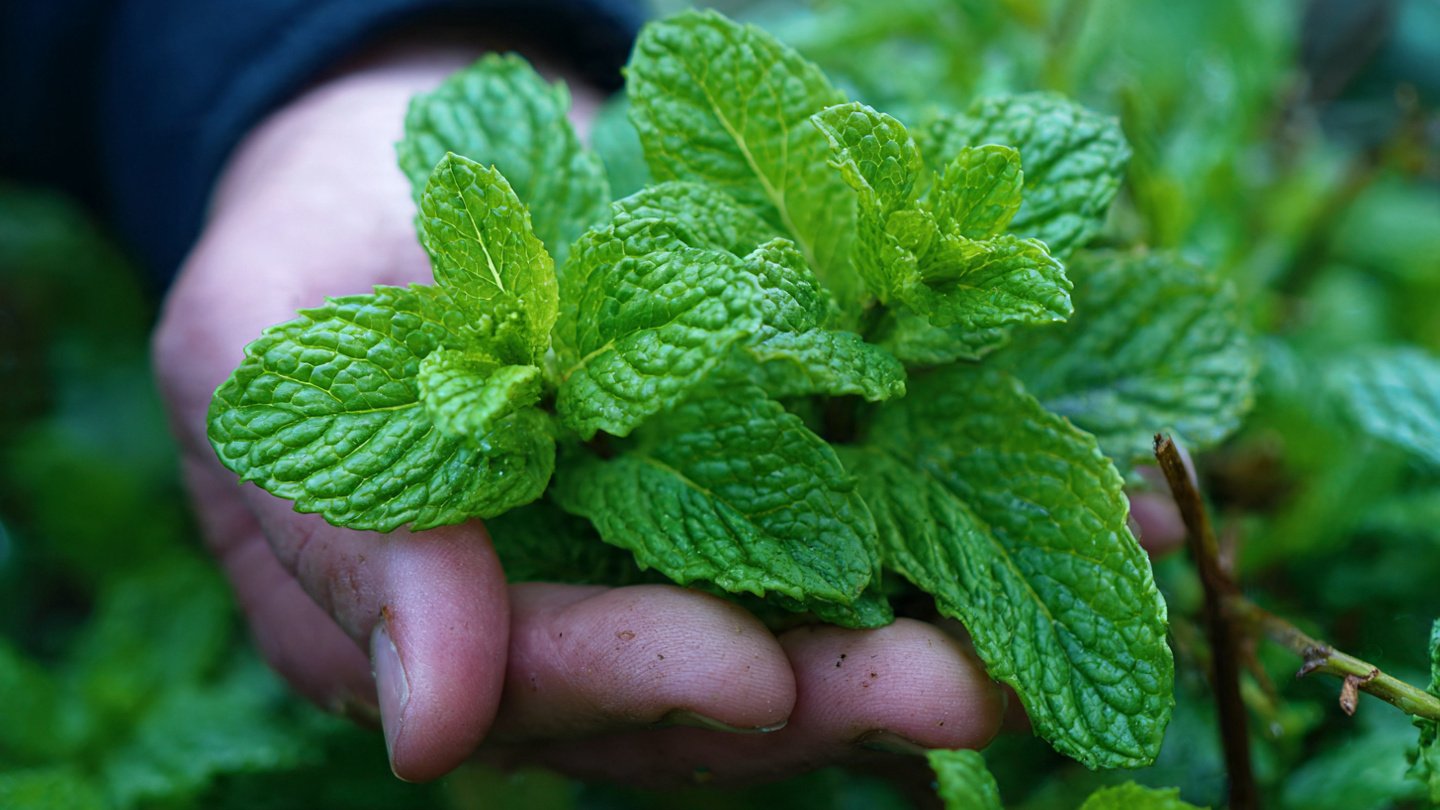
Growing mint in your backyard can be an exquisite addition, especially when positioned beneath fruit trees. Mint, known for its refreshing aroma and myriad culinary and medicinal uses, offers surprising benefits when integrated into an orchard. Let’s explore the advantages of growing mint beneath your fruit trees, highlighting harmonious relationships between these two plant types, the ecological impact, and tips for successful cultivation.
One of the primary reasons to consider growing mint beneath fruit trees is its ability to create a beneficial microenvironment. Mint, with its dense foliage and vigorous growth, provides ground cover that helps suppress weeds. Weeds can compete with fruit trees for nutrients and water, often stunting their growth and reducing yields. By planting mint, you cultivate a protective barrier, minimizing the amount of available sunlight that weeds need to thrive.
Mint’s rapid growth rate means it can fill spaces quickly, taking up sunlight and nutrients that weeds would otherwise exploit. Additionally, the moisture-retaining properties of mint can help keep the soil consistently damp, which benefits the shallow roots of young fruit trees. This symbiotic relationship promotes both mint and fruit tree health, ensuring that each plant thrives in a shared space.
Another significant benefit of growing mint underneath fruit trees is its pest-repellent qualities. Mint possesses a strong aroma that acts as a natural deterrent for various insects. Pests such as aphids, beetles, and spider mites tend to avoid areas where mint is present, reducing the risk of infestations in fruit trees. In this context, mint serves as a natural form of pest control, minimizing the need for chemical pesticides. This organic approach not only benefits the environment but also ensures that the fruits harvested are free from harmful residues.
Moreover, mint attracts beneficial insects, such as pollinators and predatory insects that feed on harmful pests. Ladybugs and lacewings, for example, are drawn to mint and can aid in controlling pest populations around your fruit trees. By creating a diverse ecosystem, you encourage natural processes that foster plant health and productivity. This balance minimizes pesticide use and promotes a more sustainable gardening practice that aligns with organic principles.
Culinary enthusiasts will appreciate the added benefit of having fresh mint readily available. Mint is versatile in the kitchen, enhancing everything from salads to desserts, teas, and cocktails. Having it growing just beneath your fruit trees makes it easily accessible for culinary creations. Pairing mint with fresh fruits can create delicious combinations; for instance, a mint-infused fruit salad or mint leaves paired with sliced strawberries can elevate dishes to new heights.
In addition to culinary uses, mint also boasts a range of medicinal properties. Traditionally used to aid digestion, relieve headaches, and provide respiratory benefits, mint can be a valuable herb in your home apothecary. By cultivating it near your fruit trees, you not only enjoy the aesthetic of a lush garden but also the practical benefits of having a supplement to your health at your fingertips.
Considering the ecological benefits, growing mint and fruit trees together can enhance soil health. Mint can help improve soil quality by returning nutrients to the earth through its natural growth cycle. As mint leaves decay, they contribute organic matter, which enriches the soil with essential nutrients that fruit trees need to flourish. This organic matter improves soil structure, enhances moisture retention, and promotes beneficial microbial activity. Each of these factors translates into healthier fruit trees, resulting in bountiful harvests.
However, while growing mint can offer multiple benefits, it is essential to control its growth to prevent it from becoming invasive. Mint is known for its aggressive spread through rhizomes and can overtake nearby plants if not managed properly. When planting mint under fruit trees, consider using containers or barriers to restrict its growth. Alternatively, you can employ strategies such as regular harvesting and trimming to ensure that mint remains a companion plant rather than a competitor.
Timing is crucial when growing mint and fruit trees together. Mint thrives best in well-drained, slightly moist soil and prefers partial shade, while fruit trees often need full sun. Positioning mint strategically in the dappled shade cast by younger fruit trees can create an ideal microclimate for both plants. Furthermore, be cautious of the spacing between mint and tree roots; planting them too close may lead to competition for resources. Ensuring a distance that allows both plants to thrive while avoiding overcrowding is key to cultivating a harmonious garden.
Maintenance is another aspect of successfully growing mint beneath fruit trees. Regular watering, especially in the warmer months, can help mint establish deep roots. While mint is relatively low-maintenance, periodic fertilization can boost growth; organic options like compost or well-composted manure will keep the plants nourished while supporting sustainability practices.
It’s also important to monitor the health of both mint and your fruit trees throughout the growing season. Check for signs of stress or disease, and act accordingly to remedy any issues promptly. Integrated pest management practices can keep both plants healthy. Encouraging biodiversity can help prevent disease outbreaks and pest infestations.
Another way to make the most of your garden space is to experiment with companion planting. Mint can be grown alongside other herbs and flowers that offer similar benefits. When planted in combination with chamomile or lavender, for example, you can create an aromatic landscape that minimizes pests while enhancing pollinator attraction. This diversity enriches your garden while providing additional culinary and aesthetic uses.
Harvesting mint is simple and can be done throughout the growing season. Regular harvesting encourages bushier growth and avoids flowering, preserving the mint’s flavor and aromatic qualities. Use fresh mint leaves in your cooking or dry them for later use, preserving their flavor for months. Essential oils can be extracted as well, offering another dimension to your garden’s bounty.
Beyond culinary and medicinal uses, mint can be visually appealing and serve as a lush ground cover. The vibrant leaves and tiny flowers can enhance the aesthetic of your orchard, creating a lush and inviting space. Designing your garden to incorporate mint attracts not only insects and wildlife but also friends and family, as it beckons them to enjoy the fruits of your labor.
Monitoring seasonal changes is vital for understanding how mint interacts with your fruit trees over time. In early spring, sowing mint seeds or transplanting young plants establishes growth before fruit trees come into full bloom. Ensuring adequate moisture during hot summers will help both mint and trees thrive, while mulch can regulate soil temperature and moisture levels.
In the fall, as the growing season winds down, cleanly cut back any overgrown mint to prepare for winter. This practice not only manages the mint’s growth but also allows for healthier regrowth in the next planting season. During this transition, consider capturing the essence of your garden by preparing mint-infused products, such as oils or vinegars, preserving flavors and aromas for use during the off-season.
Creating a harmonious garden space by growing mint beneath fruit trees yields numerous benefits. The combination of vibrant foliage, culinary versatility, and ecological advantages makes this strategy an excellent choice for any backyard gardener. By nurturing the relationship between these plants, you not only enhance the productivity of your orchard but also foster a sustainable, biodiverse ecosystem.
Moreover, undertaking this endeavor offers a learning opportunity as you observe the dynamic interactions between plants and the environment. Gardening is as much about the process as the product, and engaging with these plants allows you to deepen your connection to nature. Each season brings fresh learning moments and surprises, rewarding your efforts with an abundance of flavors, scents, and experiences.
In conclusion, integrating mint under your backyard fruit trees not only enriches your gardening experience but also serves multiple practical purposes. From pest control to improved soil quality, culinary delights, and an aesthetically pleasing garden, the benefits are numerous. By cultivating this symbiotic relationship, you enhance both the beauty and productivity of your backyard, creating a haven for yourself and the biodiversity around you. Embracing the dynamic partnership of mint and fruit trees may very well unlock a treasure trove of garden surprises, leading to healthier plants and a more fruitful harvest.

