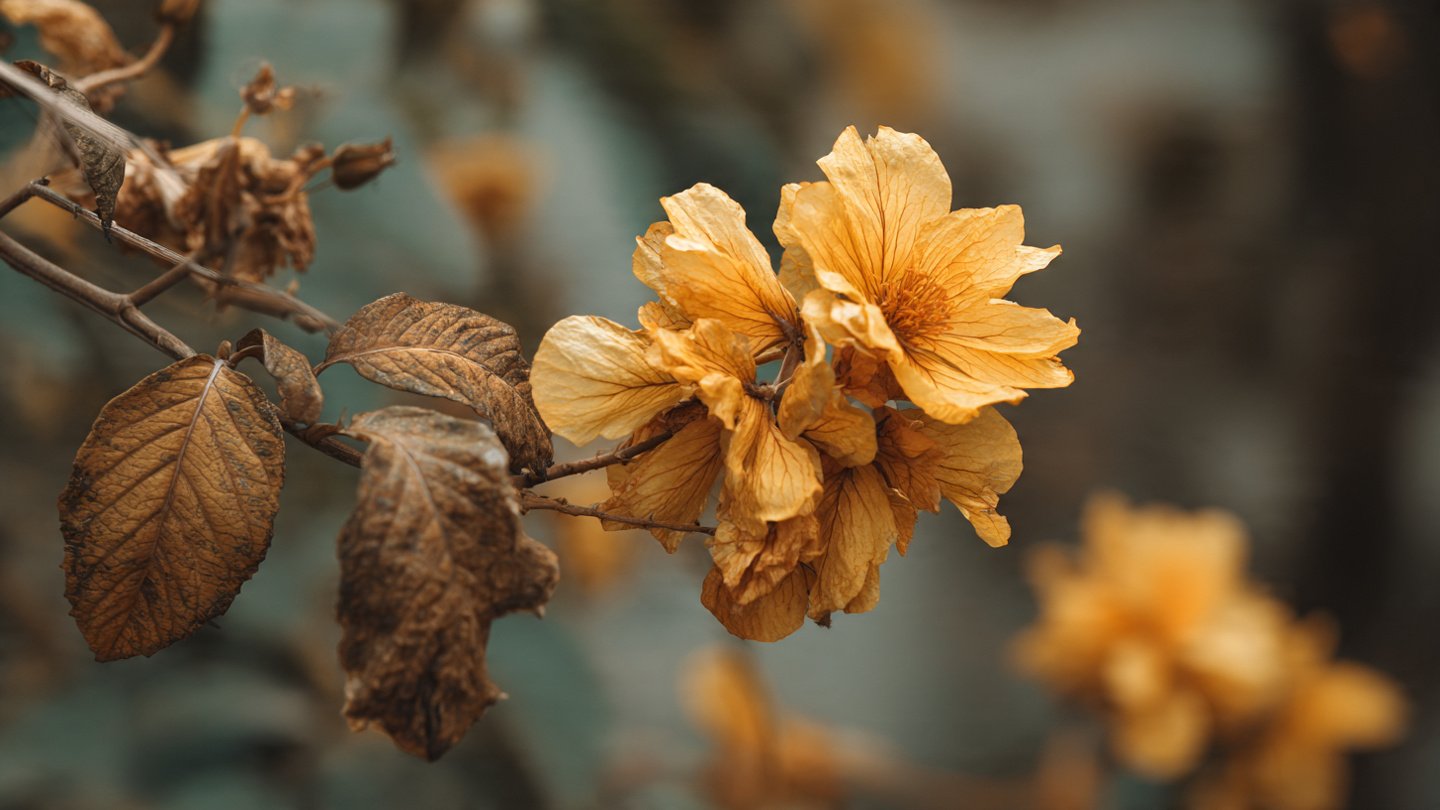
Are your flower plants struggling with yellowing leaves and stunted growth? If you’ve noticed a change in your flowers’ health, it can be disheartening. Understanding the causes can help you take necessary actions to rejuvenate your plants. This article will delve into the various factors that contribute to these symptoms, offering solutions along the way.
Symptoms to Observe
Before diving into the causes, it’s vital to recognize the signs of distress in your flower plants:
- Yellow leaves, particularly starting from the bottom.
- Leaves that are wilting or mushy.
- A lack of flowering or reduced growth.
- Stunted or dwarfed plants.
Causes of Yellowing Leaves and Stunted Growth
1. Nutrient Deficiencies
Nutrient deficiencies are among the most common reasons for yellowing leaves in flowers. Essential nutrients required for healthy plant growth include:

- Nitrogen: Crucial for lush, green foliage. A nitrogen deficiency often results in older leaves turning yellow while newer leaves remain healthy.
- Iron: A lack of iron can cause yellowing while veins remain green, especially in younger leaves.
- Magnesium: Deficiency in magnesium leads to yellowing between the veins, with leaves appearing mottled.
2. Overwatering or Poor Drainage
Excess water can suffocate plant roots, leading to yellowing leaves due to root rot. Signs of overwatering include soggy soil and a foul smell. Make sure your pots or garden soil have adequate drainage.
3. Underwatering
Conversely, underwatering can also cause leaves to yellow and plants to become stunted. If the soil feels dry to the touch, it may be time to water your flowers. Pay attention to the specific water needs of your flower type.
4. Pests
Various pests, including aphids, spider mites, and whiteflies, can cause leaf discoloration and stunting. These pests suck the sap from plants, leading to nutrient deficiencies and stressing the plant overall. Use insecticidal soap or neem oil for control.
5. Diseases
Fungal and bacterial diseases can also lead to yellowing leaves. Common issues include:

- Root rot: Typically caused by too much moisture, leading to blackened, mushy roots.
- Powdery mildew: A white, powdery fungus that can inhabit leaves, causing stress and yellowing.
6. Environmental Stress
Environmental factors can greatly influence the health of your flowers. Temperature extremes, humidity levels, and light exposure can all lead to yellow leaves and stunted growth. Ensure your flowers are planted in appropriate conditions and monitored frequently.
7. Soil Quality
Soil that lacks organic matter and essential minerals can severely affect floral growth. Soil tests can provide insights into nutrient levels, allowing you to amend your soil accordingly. Healthy soil is foundational for flower health.
How to Diagnose the Problem
Diagnosing the underlying issue requires careful observation. Follow these steps:
- Check the soil moisture level. Is it too wet or too dry?
- Inspect the leaves for signs of pests or disease.
- Analyze the nutrient content of the soil.
- Review your watering schedule.
- Consider the environmental conditions. Are your flowers getting enough light?

Solutions to Revive Your Flowers
1. Adjust Watering Practices
Ensure that your flowers receive appropriate watering. Use well-draining soil and pots to prevent root rot by allowing excess water to escape.
2. Fertilization
Use a balanced fertilizer to replenish nutrients. Follow the manufacturer’s instructions on how much and how often to apply.
3. Pest and Disease Control
Inspect your plants regularly for pests. Employ organic pest control methods when necessary. Treat diseases immediately to prevent spreading.
4. Improve Soil Quality

Add organic matter such as compost or well-rotted manure to improve soil structure and nutrient levels.
5. Optimize Environmental Conditions
Look at placement, ensuring your flowers are in a suitable environment regarding light, temperature, and humidity levels. A small adjustment can sometimes make a significant difference.
Conclusion
Flower leaves turning yellow and stunted growth can be distressing to gardeners. By understanding the various causes such as nutrient deficiencies, overwatering, pests, diseases, and environmental stress, you can take actionable steps to restore their health. Regular monitoring and timely interventions will ensure that your flowers thrive, beautifying your space and bringing you joy.
Frequently Asked Questions (FAQs)
1. Why are my flower leaves turning yellow even after watering?
Yellow leaves can still occur if the flower is overwatered, leading to poor drainage and root rot. Always check for moisture levels before watering.
2. Can yellow leaves recover?
Yes, with proper care—adjusting watering, improving soil quality, and providing adequate nutrients—yellow leaves may recover to some extent. However, severely damaged leaves may not return to health.

3. How often should I fertilize my flowers?
Fertilization frequency depends on the flower type and growth stage; typically, once a month during the growing season is sufficient, but always refer to specific instructions for your flowers.
4. How can I tell if my flowers have pests?
Look for signs such as discolored or damaged leaves, webbing, or visible insects. Regular inspection can help catch infestations early.
5. What should I do if my flowers continue to decline?
If your flowers don’t improve despite your interventions, consider consulting a local nursery or agricultural extension service for personalized assistance.