Introduction
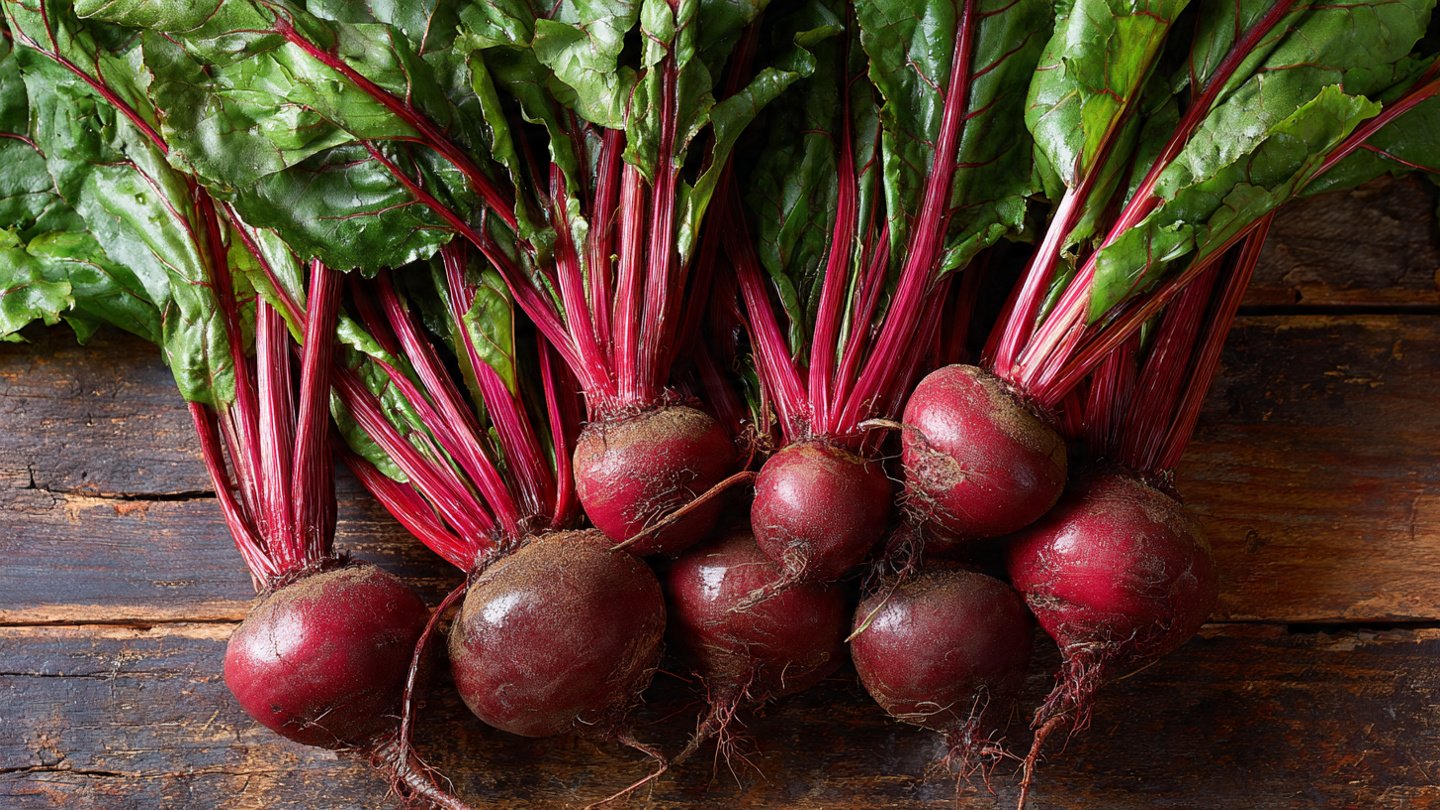
Beet greens are often overlooked, yet they are a highly nutritious and versatile addition to many dishes. Rich in vitamins A, C, K, and minerals like iron, magnesium, and calcium, beet greens are not just a byproduct of beet cultivation but a valuable crop on their own. Growing large, healthy bunches of beet greens requires careful planning, attention to soil quality, proper watering techniques, and mindful harvesting practices. In this article, we will explore the key components necessary for cultivating vibrant beet greens, ensuring that they thrive in your garden.
1. Choosing the Right Variety
The journey to healthy beet greens begins with selecting the appropriate variety. There are numerous beet cultivars available, each having unique flavor profiles, growth habits, and nutritional content. Popular varieties for greens include:
- Detroit Dark Red: Known for its sweet flavor and tender leaves.
- Chioggia: Features gorgeous red and white striped roots; the greens are also vibrant and tasty.
- Golden Beets: These have a milder flavor, and their greens are often sweeter.
When choosing a variety, consider your soil conditions, climate, and intended use in your kitchen. Select those that best suit your growing environment and dietary preferences.

2. Preparing the Soil
Preparation of the soil is a crucial factor in the success of your beet greens. Here are the essential elements to consider:
- Soil Type: Beets prefer well-drained, loose soil. Heavy clay or compacted soils can hinder root development.
- Soil pH: Ideal pH ranges from 6.0 to 7.0. Conduct a soil test to determine current pH and adjust accordingly using lime to increase pH or sulfur to decrease it.
- Nutrients: Enrich your soil with organic matter such as compost or well-rotted manure. This not only increases nutrient availability but also enhances soil structure.
A well-prepared garden bed will encourage robust root and leaf growth, ensuring that your beet greens are healthy and plentiful.
3. Sowing the Seeds
Once your soil is ready, it’s time to sow the seeds. Follow these guidelines for successful sowing:
- Timing: Beet greens can be sown in early spring or late summer. Both spring and fall crops have their advantages — spring crops are often sweeter and more tender, while fall crops can be tougher and less affected by pests.
- Seed Depth: Plant seeds about 1-2 inches deep to promote sturdy growth. Thinly sow the seeds about 1-2 inches apart.
- Spacing: Once seedlings emerge, thin them to about 4-6 inches apart to allow enough space for healthy leaves to develop.

4. Watering Wisely
Consistent moisture is key to growing vibrant beet greens. However, be mindful of overwatering, as this can lead to rot and disease. Here are the best practices:
- Daily Monitoring: Check the soil moisture daily, especially during dry spells. Water when the top inch of soil feels dry.
- Deep Watering: Water thoroughly to encourage deep root growth, rather than shallow watering, which can lead to weak plants.
- Time of Day: Water early in the morning to minimize evaporation and fungal diseases.
5. Fertilization Techniques
Beet greens benefit significantly from additional nutrients throughout their growth cycle. Here’s how to make sure they thrive:

- Organic Fertilizers: Use fertilizers rich in potassium and phosphorous, such as bone meal or kelp meal, to promote strong growth.
- Timing: Apply fertilizer once the seedlings have reached a couple of inches in height and then again halfway through their growing season.
- Liquid Fertilizers: Incorporating liquid fertilizers can give a quick nutrient boost and enhance leaf growth.
6. Pest and Disease Management
Like most garden crops, beet greens are susceptible to pests and diseases. Monitoring and timely intervention can keep these issues at bay:
- Pests: Look out for aphids, leaf miners, and whiteflies. Regularly inspect your plants and consider using insecticidal soap or neem oil when infestations occur.
- Diseases: Powdery mildew and downy mildew can affect beet greens. Ensure good air circulation by spacing plants properly and avoid watering the leaves directly.
- Companion Planting: Planting marigolds or garlic nearby can deter pests naturally.
7. Harvesting Techniques
Once your beet greens have grown, harvesting them correctly is essential for continued growth. Here’s how to do it right:

- Timing: Harvest the outer leaves when they are about 4–6 inches long; this encourages new growth from the center.
- Cutting Method: Use scissors or a sharp knife to avoid damaging the roots. Cut a few leaves at a time rather than stripping an entire plant.
- Regular Harvesting: Regularly harvesting encourages ongoing growth and prevents the leaves from becoming tough and bitter.
Conclusion
Growing a robust crop of beet greens is within reach for any gardener who takes the time to understand their specific needs. From selecting the right variety and preparing the soil to watering practices and effective pest management, each step plays a crucial role in cultivating healthy, delicious greens. With patience and attention, your beet greens can thrive, providing you with nutritious additions to salads, smoothies, and other culinary delights. Enjoy the process, and reap the rewards of your gardening efforts!
FAQs
1. How long does it take for beet greens to grow?
Beet greens typically take about 30 to 45 days to mature from seed, depending on the variety and growing conditions.

2. Can I eat beet greens raw?
Yes, beet greens can be eaten raw in salads or sandwiches. They have a slightly earthy flavor that adds depth to dishes.
3. How often should I water beet greens?
Water beet greens consistently. Check soil moisture and water when the top inch feels dry. Aim for about 1 inch of water per week, depending on your climate.
4. Are beet greens nutritious?
Yes! Beet greens are high in vitamins A and C, calcium, iron, and other essential nutrients, making them a great addition to a healthy diet.
5. What pests should I watch for when growing beet greens?
Aphids, leaf miners, and caterpillars are common pests that can affect beet greens. Regular inspection and organic pest control methods can help manage them effectively.