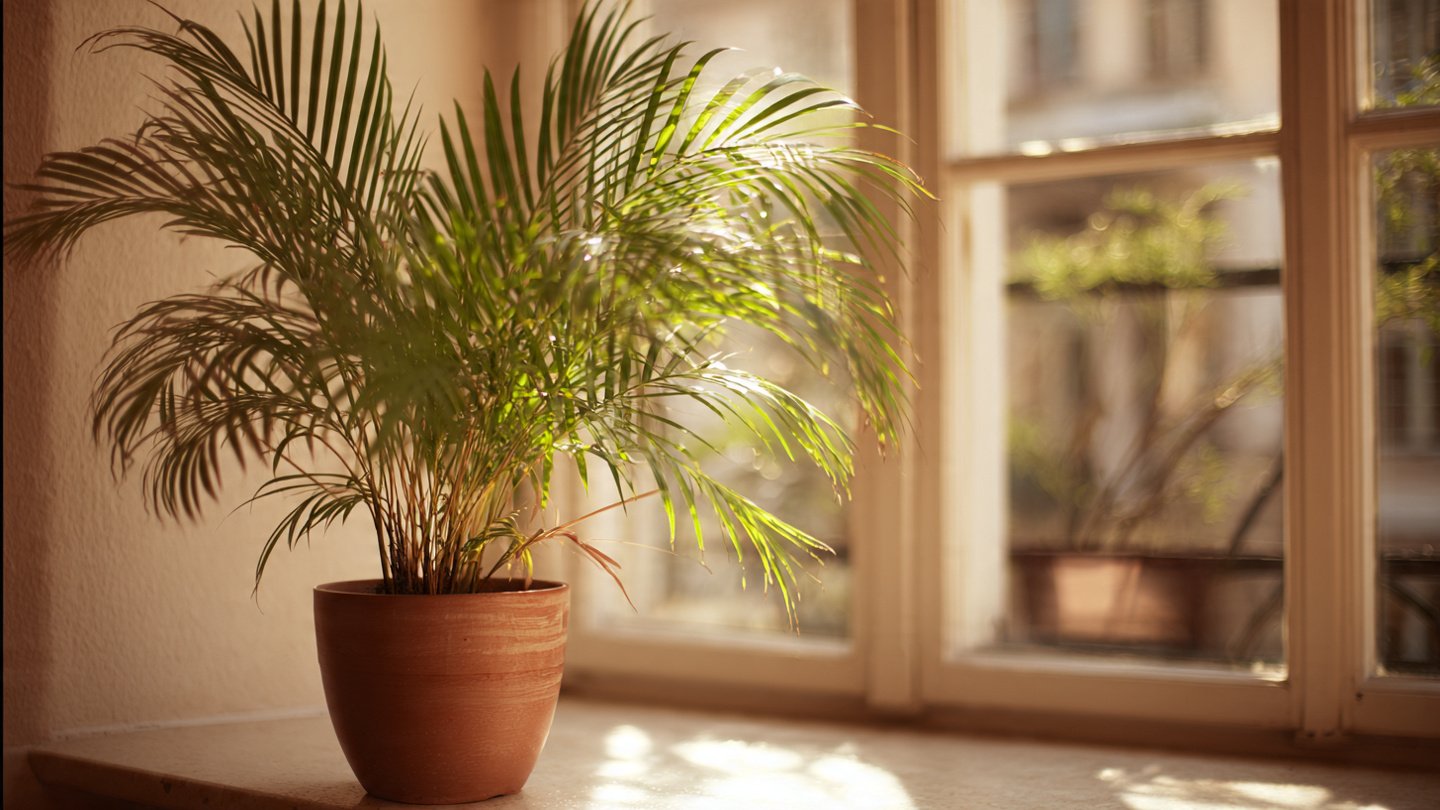
Indoor palms are a beautiful way to enhance your living space, but many plant owners encounter the frustrating issue of brown tips on their palm leaves. These brown tips not only look unattractive but may indicate underlying issues with the plant’s care and environment. Understanding the causes of brown tips and how to prevent them is essential for maintaining a healthy indoor palm. In this article, we will explore the best tips for preventing brown tips on your indoor palms.
Common Causes of Brown Tips
Before diving into the prevention strategies, it’s important to understand what causes brown tips in palm leaves. Identifying the underlying issues can be crucial to ensuring the health of your plant.
- Low Humidity: Palms are tropical plants that thrive in humid environments. Dry indoor air, especially during winter, can lead to browning.
- Inconsistent Watering: Overwatering or underwatering can stress the plant, leading to brown tips. Palms prefer evenly moist soil.
- Direct Sunlight: While palms enjoy bright light, direct sunlight can scorch their leaves, resulting in brown tips.
- Nutrient Deficiency: Lack of essential nutrients, particularly potassium, can lead to brown tips as well.
- Pest Infestation: Pests like spider mites or scale can damage leaves and lead to browning.
Top Tips for Prevention
1. Maintain Adequate Humidity Levels

To help your indoor palms thrive, keeping humidity levels between 40-60% is crucial. Here are some effective strategies:
- Use a humidifier, especially during the winter months when indoor air tends to be drier.
- Mist the leaves regularly with water to boost humidity.
- Place a tray of water with pebbles under the plant pot; as the water evaporates, it increases humidity in the vicinity.
2. Watering Consistency
Achieving a consistent watering routine is vital for preventing brown tips. Here’s how you can manage this:
- Water your palm when the top 1-2 inches of soil feels dry to the touch.
- Ensure pots have adequate drainage holes to prevent waterlogging.
- Use room temperature water to avoid shocking the roots.
3. Optimize Light Conditions

Understanding how light affects your palm can drastically improve its health:
- Place your palm in a location that receives bright, indirect sunlight.
- If direct sunlight is unavoidable, consider using sheer curtains to diffuse the light.
- Rotate the plant periodically to ensure even growth on all sides.
4. Fertilization Practices
Nutrients play a crucial role in the health of your palms. Here are tips for effective fertilization:
- Use a balanced, slow-release fertilizer specifically designed for indoor palms.
- Fertilize every 6-8 weeks during the growing season (spring and summer).
- Avoid fertilizing in the fall and winter when the plant is dormant.
5. Monitor for Pests

Pest prevention is essential for maintaining the health of indoor palms:
- Regularly inspect your palm for any signs of pests, such as webbing or discolored spots.
- If pests are spotted, treat them promptly with insecticidal soap or neem oil.
- Maintain cleanliness by dusting the leaves, as dirty leaves can attract pests.
6. Regular Pruning
Effective pruning can promote healthy growth and reduce the appearance of brown tips:
- Trim away any dead or brown tips using sterilized scissors.
- Remove any dead fronds at the base to encourage new growth.
- Avoid excessive pruning, as this can stress the plant.
Conclusion

Preventing brown tips on indoor palms involves understanding the specific needs of these tropical plants. By maintaining adequate humidity, ensuring consistent watering, optimizing light conditions, providing appropriate nutrients, monitoring for pests, and pruning when necessary, you can keep your indoor palms healthy and beautiful. Regular care and attention to environmental factors will help you create a thriving indoor oasis with lush, vibrant palm foliage.
FAQs
What causes brown tips on palm leaves?
Brown tips can be caused by low humidity, inconsistent watering, direct sunlight, nutrient deficiencies, and pest infestations.
How can I increase humidity for my indoor palm?
You can use a humidifier, mist the leaves, or place a water tray with pebbles beneath the pot to increase humidity levels.
How often should I water my indoor palm?
Water your palm when the top 1-2 inches of soil feel dry, ensuring that the pot has adequate drainage.
What type of fertilizer is best for indoor palms?

A balanced, slow-release fertilizer specifically formulated for indoor palms is ideal. Fertilize during the growing season and avoid fertilizing in the dormant months.
How can I tell if my palm has pests?
Look for signs such as webbing, discolored spots, or sticky residue on the leaves. Regular inspections can help catch pest infestations early.