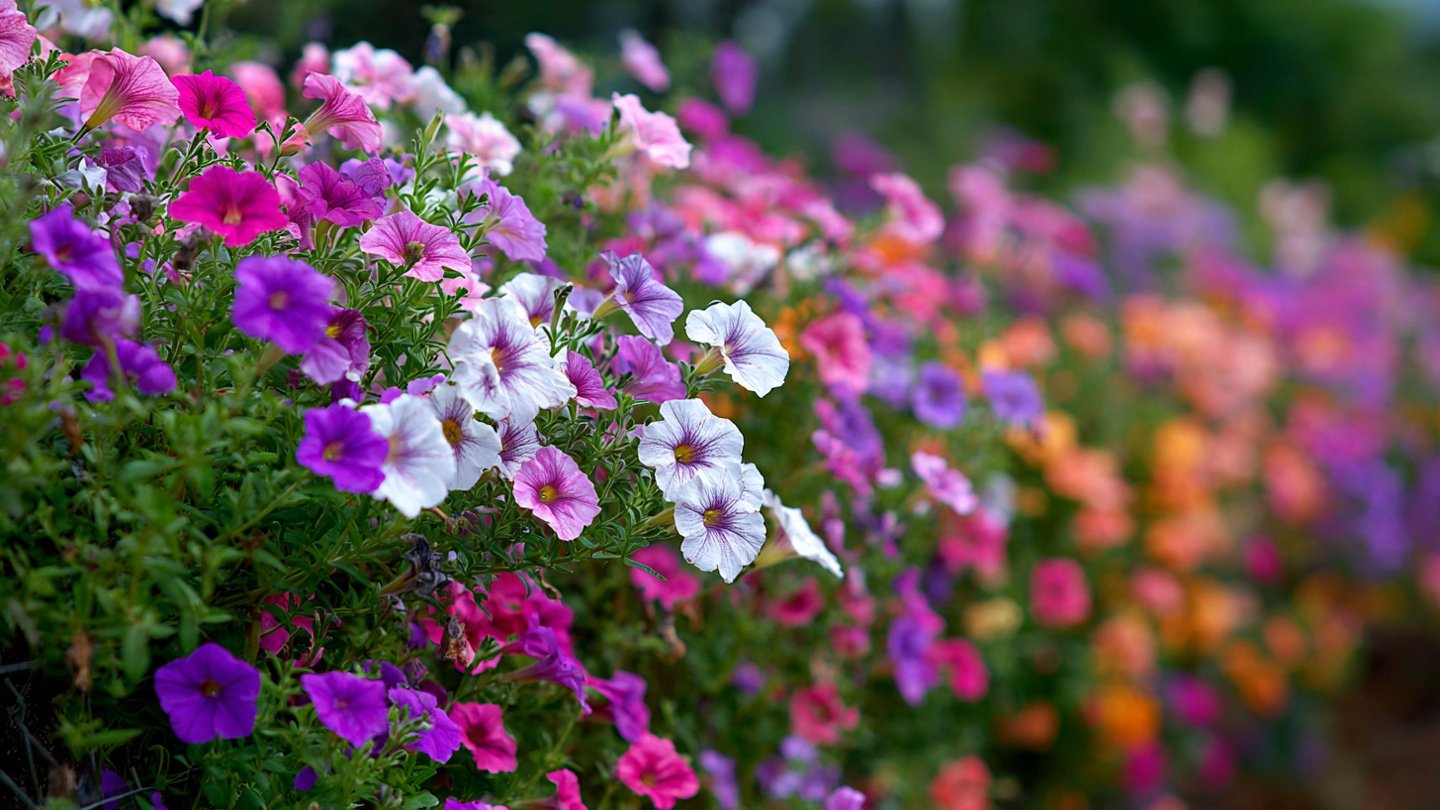
Gardening is an art that combines science and aesthetics, allowing individuals to create personalized outdoor spaces that reflect their personality, style, and preferences. One of the simplest yet most effective ways to enhance the sensory experience of a garden is by planting a row of petunias. Not only are these vibrant flowers a feast for the eyes, but they also add delightful scents that can transform even the simplest garden into a fragrant paradise. In this article, we’ll explore the beauty and benefits of incorporating petunias into your garden design, along with tips on care and maintenance to ensure these beautiful blooms flourish.
The Allure of Petunias
Petunias belong to the Solanaceae family, which includes tomatoes and potatoes, and they are native to South America. Available in a variety of colors and sizes, these annuals are known for their rich hues—ranging from soft pastels to vivid brights. Beyond their visual appeal, petunias emit a fragrant aroma that can significantly enhance your garden’s atmosphere. The scent can be described as sweet and floral, often invoking feelings of calm, relaxation, and joy.
Aesthetic Enhancement
When deciding to plant a row of petunias, you are not just choosing a flower; you are selecting a focal point for your garden. Here’s how a row of petunias can visually transform your outdoor space:
-
Color Coordination: Petunias are available in multiple colors, which enables you to create striking color schemes. You can choose monochromatic designs for a sophisticated look, or mix contrasting colors for a more vibrant display.
-
Versatile Planting Options: They can be planted in beds, borders, pots, or hanging baskets, adapting to various garden layouts. Petunias’ trailing varieties are particularly great for cascading over the edges of containers or flower beds.
-
Textural Contrast: Their soft, velvety petals create a textural contrast against the more rigid leaves of other plants. This variety of texture can add depth and interest to your gardening layout.
-
Seasonal Interest: Petunias bloom from spring until fall, providing long-lasting beauty throughout the seasons. Their ability to thrive even in warm weather makes them a reliable choice for creating continuous visual appeal.

Aromatic Benefits
Beyond their striking appearance, petunias also offer a delightful scent that can transform the atmosphere of your garden:
-
Scent Profile: The aroma of petunias varies according to their variety, but many possess a sweet, mildly spicy fragrance. This pleasant scent attracts beneficial insects, such as bees and butterflies, enhancing the overall ecosystem of your garden.
-
Atmospheric Enhancement: Scent has a profound impact on our emotions. The delightful fragrance of petunias can evoke memories of beauty and calm, making your garden a peaceful retreat from daily life.
-
Inviting Ambiance: A row of petunias can create a welcoming atmosphere for guests and family. The scent can draw people into the garden, encouraging them to linger and enjoy the surrounding beauty.
Gardening Practicalities
1. Choosing the Right Varieties
While petunias are generally easy to grow, it’s essential to choose varieties that suit your garden conditions:

-
Grandiflora Petunias: These have large blooms and are perfect for pots and borders. They are known for their vibrant colors and delightful scent.
-
Multiflora Petunias: Smaller flowers but more robust, these varieties are ideal for hanging baskets or ground cover. They are more resistant to weather changes.
-
Trailing Petunias: Great for containers, these varieties cascade beautifully and can provide lovely ground cover, making them perfect for a hanging garden display.
2. Soil and Location
Petunias thrive in well-draining, nutrient-rich soil. Here’s what to consider:
-
Light Requirements: Plant your petunias in a sunny spot; they require at least six hours of full sunlight daily to bloom vibrantly.
-
Soil Preparation: Incorporate organic matter, such as compost or well-rotted manure, before planting. This boosts soil fertility and improves drainage.
3. Watering Practices

Proper watering is crucial for healthy petunias:
-
Frequency: Water petunias deeply but infrequently. Aim for consistent moisture without waterlogging the soil, which can cause root rot.
-
Signs of Overwatering: Yellowing leaves or drooping stems can indicate that the plants are overwatered. Adjust your watering schedule accordingly.
4. Fertilizing for Flourishing Growth
To ensure that your petunias flourish, regular fertilization is key:
-
Type of Fertilizer: Use a water-soluble fertilizer high in phosphorus during the growing season to promote blooming. Follow the manufacturer’s instructions for the right dosage and frequency.
-
Timing: Fertilize every four to six weeks to encourage vibrant blooms and healthy foliage.
Pest Management and Disease Prevention

Like all plants, petunias can be susceptible to pests and diseases. Here’s how to keep them healthy:
-
Common Pests: Watch for aphids, spider mites, and whiteflies. These can be managed through insecticidal soap or by introducing beneficial insects like ladybugs.
-
Disease Prevention: Petunias may suffer from fungal diseases if subjected to overcrowding or poor air circulation. Ensure proper spacing when planting and follow good watering practices.
Seasonal Care and Maintenance
Proper care throughout the growing season ensures that your petunias remain healthy and vibrant:
-
Deadheading: Regularly remove spent blooms to encourage more flowers and prevent plants from going to seed too early.
-
Winter Care: Petunias are annuals in most climates, but if you live in a warmer zone, you can bring them indoors to extend their life.
The Benefits Beyond Aesthetics

Planting a row of petunias not only contributes to the garden’s appearance but also offers several benefits:
-
Environmental Impact: Healthy gardens with a variety of plants can support local wildlife, promote biodiversity, and improve air quality.
-
Health and Well-being: Engaging in gardening can reduce stress, improve mental health, and offer physical activity. The pleasant scent of petunias can provide a soothing atmosphere for relaxation and meditation.
-
Community Connection: Sharing a beautiful and fragrant garden with friends and family can foster social connections and create opportunities for interaction.
Conclusion
Transforming your garden into a fragrant haven doesn’t require extensive effort or resources—simply planting a row of petunias can elevate the sensory experience of your outdoor space. Their stunning colors, delightful scents, and relatively easy maintenance make them a fabulous choice for both novice and experienced gardeners. By creating a harmonious blend of beauty and fragrance, petunias can entice neighbors, invite wildlife, and provide you with a personal sanctuary that rejuvenates the mind and spirit.
So, why not consider adding a row of petunias to your garden? With a little care and attention, these flowers can transform your garden into a fragrant paradise, offering a delightful escape right in your backyard. Happy gardening!