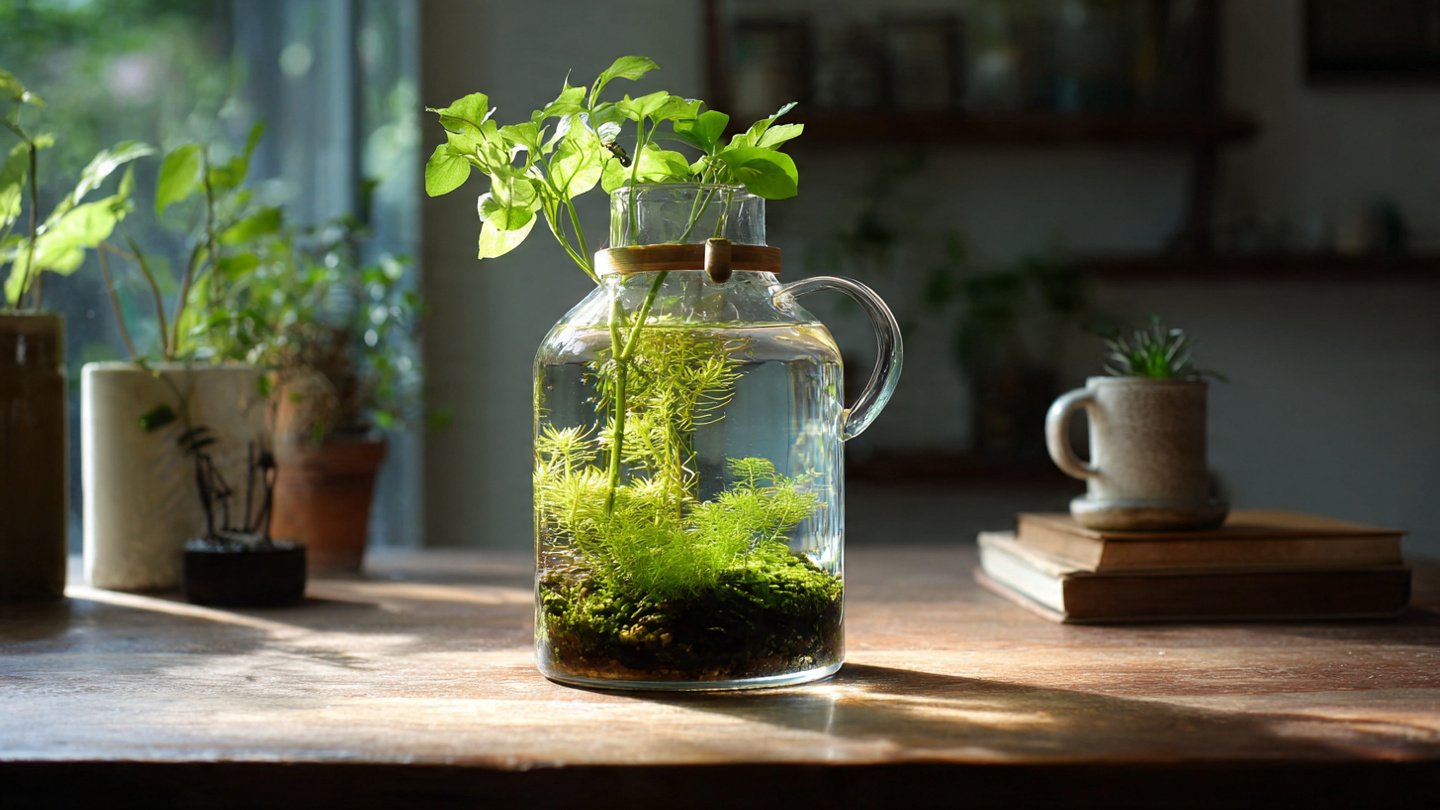
When it comes to plant care, enthusiasts and novices alike are constantly on the lookout for innovative solutions that will help their greenery thrive. One such breakthrough is a unique type of water that’s been gaining attention for its transformative abilities: ionized or electrolyzed water. This article will explore the science behind this unique water, how it can benefit your plants, and practical ways to incorporate it into your care routine.
Understanding Ionized Water
What is Ionized Water?
Ionized water is created through a process known as electrolysis, where regular water (H2O) is split into its constituent ions. During this process, water passes through an ionization chamber, which uses electrical currents to separate the water into two streams: alkaline and acidic. The alkaline portion, laden with beneficial hydroxide ions, is often used for various health and agricultural purposes, while the acidic water finds its use in cleaning and disinfecting.
The Science Behind Ionization
The ionization process not only alters the pH and electrical charge of the water but also impacts its molecular structure. Normally, water molecules cluster together, but ionization can reduce the size of these clusters, making them easier for plant roots to absorb. This phenomenon is often referred to as “micro-clustering,” which allows for quicker nutrient delivery to plant cells.
pH Levels and Plants

Different plants thrive at different pH levels. Most houseplants prefer a slightly acidic to neutral environment, typically around pH 6 to 7. The alkaline ionized water usually ranges from pH 8 to 10, while acidic ionized water hovers around a pH of 5 or lower. Understanding how to balance these pH levels can be crucial in managing plant health.
Benefits of Using Ionized Water for Plant Care
Enhanced Nutrient Absorption
One of the most significant benefits of using ionized water is its enhanced nutrient absorption capabilities. The smaller water clusters can penetrate soil more efficiently, allowing nutrients to reach the root systems faster. This leads to healthier, more robust plants, as they can absorb essential minerals like nitrogen, phosphorus, and potassium more effectively.
Disease Resistance
Plants watered with ionized water often show increased resistance to diseases and pests. The antioxidants present in alkaline water can help strengthen plant cells, providing a defensive barrier against infections. Additionally, some studies suggest that acidic ionized water can help eliminate pathogens in the soil, reducing the risk of root rot and other common plant diseases.
Improved Aesthetics and Growth
When plants receive the appropriate nutrients and are free from disease, their growth becomes more vibrant and robust. Using ionized water can lead to greener foliage, more abundant blooms, and overall enhanced vitality. Homeowners and gardeners often notice a remarkable difference in their garden’s aesthetic appeal within weeks of switching to ionized water.

Reducing Water Consumption
In an age where water conservation is paramount, ionized water can be more efficient for plant care. The improved absorption rates mean that plants require less water over time while still receiving optimal hydration. This quality can be particularly beneficial during dry spells or in areas prone to drought, helping gardeners maintain lush landscapes without excessive water usage.
Neutralizing Chemicals
For those concerned about chemical residues in their water, ionized water presents a feasible alternative. Many municipalities treat water with chlorine and other chemicals that can harm plants over time. Ionized water, being naturally produced without additives, often yields more organic and healthier plant life, creating an ideal environment for growth.
Practical Uses of Ionized Water in Plant Care
Watering Indoor Plants
Transitioning to ionized water for indoor plants can be as simple as filling a watering can with the alkaline version. Start by using ionized water once every few weeks alongside regular watering to see how your plants respond. Gradually increase the frequency if you notice positive effects.

Preparing Soil
When mixing soil for container gardening, consider soaking the soil mix in ionized water before planting. This will help break down larger clumps and ensure that nutrients and moisture are easily accessible to new roots. Additionally, the water’s higher pH can help balance acidic soils.
Foliar Feeding
Ionized water can be used as a foliar spray, feeding plants directly through their leaves. This method can be particularly effective for delivering nutrients to fast-growing plants or those with high nutrient demands. Mix ionized water with a diluted liquid fertilizer, and spray the solution on the leaves during cooler parts of the day to minimize evaporation.
Seed Germination
Soaking seeds in ionized water can boost germination rates. This method helps seeds absorb moisture and encourages quicker sprouting. Plus, using ionized water can minimize the risk of bacterial growth, giving your seeds a healthy start.
Hydroponics and Aquaponics
In hydroponic systems, where plants grow in nutrient-rich water rather than soil, the quality of water is vital. Ionized water can enhance nutrient bioavailability, leading to faster growth rates and healthier plants. Similarly, in aquaponics, ionized water can support both plant and fish health, making the entire ecosystem flourish.

Potential Drawbacks and Considerations
pH Balancing
Although ionized water has many benefits, it’s essential to check your soil pH regularly. Using highly alkaline water for long periods can alter the soil pH, making it unsuitable for certain plant species. A simple soil test can help you monitor and maintain an ideal balance.
Cost and Accessibility
Ionization systems can be an investment, and not everyone may have access to these devices. However, you can also find pre-packaged ionized water options in specialty stores. Looking for local suppliers can also reduce costs.
Learning Curve
For those unfamiliar with the science of plant care, switching to ionized water requires some adjustment. Understanding how your plants respond to this new method can take some time. Keep a journal to track watering schedules, effects on growth, and any changes in plant health.

Conclusion
The transformative capabilities of ionized water put it at the forefront of modern plant care techniques. From enhancing nutrient absorption to improving disease resistance, the benefits of incorporating this unique water source into your gardening routine are undeniable. By taking a more scientific approach to plant care, enthusiasts can provide their plants with the optimal environment they need to flourish.
While there are practical considerations when making the switch, the potential for healthier, more vibrant plants makes the effort worthwhile. As you explore this innovative option, remember to observe and adapt your methods to meet the specific needs of your greenery, creating an oasis of life and beauty in your home or garden.
By utilizing the power of ionized water, you’re not merely watering plants; you’re enriching their lives—and in doing so, you can cultivate a lush, thriving landscape that brings joy and tranquility to your environment.