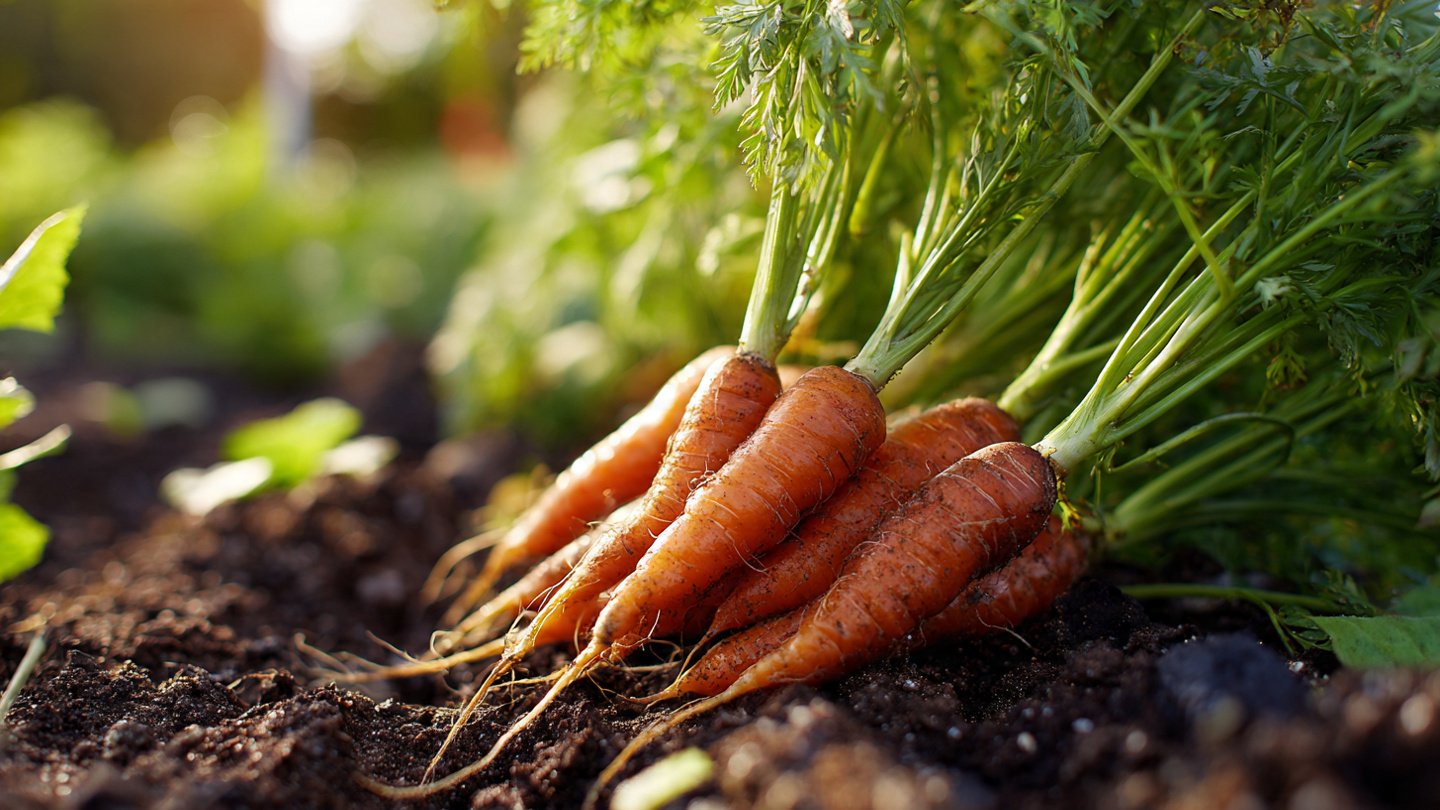
Carrots are not only a staple vegetable in many households but also an essential ingredient in delicious carrot cakes. Growing your own carrots can be a rewarding experience, allowing you to enjoy fresh produce right from your garden. This article will guide you through the process of growing carrots specifically for making your own fresh carrot cake.
Why Grow Your Own Carrots?
There are numerous benefits to growing your own carrots. Here are a few:
- Freshness: Homegrown carrots are picked at their peak, ensuring maximum flavor.
- Nutrition: Freshly harvested carrots retain more nutrients compared to store-bought ones.
- Variety: You can choose from many different carrot varieties, from colorful heirloom types to sweet hybrid options.
- Cost-effective: Cultivating your own vegetables can save you money in the long term.
Getting Started: What You Need
Before you start planting, it’s crucial to gather all necessary materials and tools:
- Carrot Seeds: Choose a variety suited for your climate. Common types include Nantes, Danvers, and Chantenay.
- Soil: Carrots prefer loose, sandy soil that drains well. Avoid compacted or rocky soil.
- Garden Tools: A hoe or trowel for planting, a rake for soil preparation, and watering equipment.
- Mulch: Use straw or wood chips to help retain moisture and regulate soil temperature.

Choosing the Right Location
Carrots thrive in full sun, which means they need at least six hours of direct sunlight each day. Select a location in your garden that meets these criteria. Consider these additional factors:
- Drainage: Good drainage is essential to prevent carrot rot.
- Spacing: Ensure your carrots have enough space to grow; crowded roots may become malformed.
Preparing the Soil
To ensure optimal growth, prepare the soil by following these steps:
- Clear the Area: Remove weeds, debris, and rocks that may hinder development.
- Loosen the Soil: Use a tiller or garden fork to break up compacted soil to a depth of at least 12 inches.
- Add Compost: Incorporating organic matter can enhance soil fertility, promoting better growth.
- Test pH: Carrots prefer a slightly acidic to neutral pH of 6.0 to 7.0. Adjust if necessary.
When to Plant Carrots

The best time to plant carrots depends on your climate. Generally, they can be sown in early spring as soon as the soil is workable. In warmer regions, you may also sow seeds in late summer for a fall harvest. Monitor the weather to avoid planting too early or too late.
Planting Carrot Seeds
Once the soil is ready, it’s time to plant your carrot seeds:
- Sow Seeds: Plant seeds about ¼ inch deep and 1-2 inches apart. A straight line works best, so consider using a garden line for accuracy.
- Water Gently: After planting, water the area lightly to avoid washing the seeds away. Keep the soil moist but not soggy.
- Thin Seedlings: When seedlings are about 2 inches tall, thin them to 2-4 inches apart to prevent overcrowding.
Caring for Your Carrots
Proper care is vital for healthy carrot growth. Here’s a checklist of what to do:
- Watering: Carrots need consistent moisture. Water deeply once a week, allowing the top inch of soil to dry out between waterings.
- Weeding: Regularly remove weeds that compete for nutrients. Be cautious not to disturb carrot roots.
- Fertilizing: Generally, carrots don’t need heavy fertilization. A light application of a balanced fertilizer can be applied before planting.
Harvesting Carrots

After a few months, it’s exciting to harvest your carrots! Here’s how:
- Timing: Check the size of your carrots after about 70-80 days. They should be ½ to 1 inch in diameter.
- Pulling Them Up: Gently pull on the greens to lift the carrots from the soil. If they resist, use a garden fork to loosen the soil.
- Cleaning: Rinse your carrots with cool water to remove soil, but avoid scrubbing, which can damage their skin.
Using Your Carrots for Carrot Cake
Once you’ve harvested your carrots, it’s time to prepare your delicious carrot cake. Here’s a simple recipe to get you started:
Carrot Cake Recipe
- Ingredients:
- 2 cups grated fresh carrots
- 1 cup sugar
- ½ cup vegetable oil
- 4 eggs
- 2 cups all-purpose flour
- 1 tsp baking powder
- 1 tsp baking soda
- ½ tsp salt
- 1 tsp ground cinnamon
- ½ cup chopped nuts (optional)
- Instructions:
- Preheat your oven to 350°F (175°C).
- In a large bowl, beat the sugar, oil, and eggs together until smooth.
- Combine flour, baking powder, baking soda, salt, and cinnamon in another bowl.
- Add dry ingredients to the wet mixture and stir until combined. Fold in grated carrots and nuts if desired.
- Pour into a greased cake pan and bake for 30-35 minutes, or until a toothpick comes out clean.

Conclusion
Growing your own carrots is not only a fulfilling project but also a way to enhance your culinary creations, particularly in making a fresh and delectable carrot cake. With the right preparation, care, and timing, you’ll enjoy a bountiful harvest that elevates your baking. Plus, the satisfaction of knowing you’ve grown your own ingredients makes the cake that much sweeter!
FAQs

1. How long does it take for carrots to grow?
Carrots typically take about 70 to 80 days to mature, depending on the variety and growing conditions.
2. Can I grow carrots in containers?
Yes, carrots can be grown in containers as long as they are deep enough (at least 12 inches) to accommodate their root systems.
3. What if my carrots taste bitter?
Bitter carrots may indicate that they were harvested too late, stressed by lack of water, or affected by inconsistent temperatures. Make sure to provide sufficient moisture and pick them at the right time.
4. What should I do with carrot tops?
Carrot tops can be used in various ways, including making pesto, adding to salads, or even using as a garnish. They are edible and nutritious!
5. Are there any pests that commonly affect carrots?
Common pests include carrot flies and aphids. Regular monitoring and using organic pest control methods can help keep them at bay.