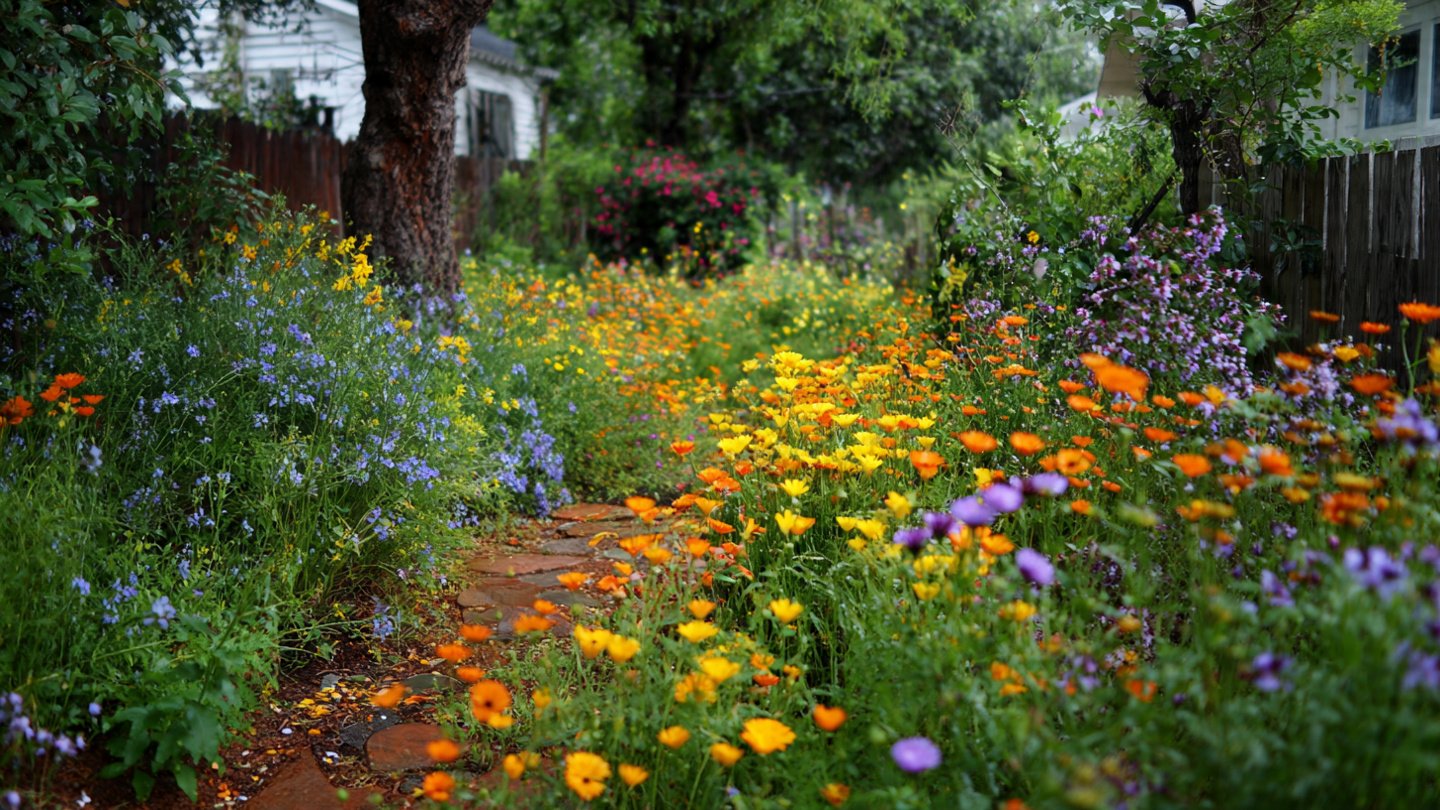
Creating a vibrant and enchanting flower garden in your backyard does not have to cost a fortune. With a bit of creativity, resourcefulness, and elbow grease, you can transform your outdoor space into a stunning flower paradise without spending a dime. Here’s how you can achieve this delightful transformation.
1. Assess Your Space
The first step in creating a flower paradise is assessing the available space in your backyard. Consider factors such as:
- Sunlight: Determine how much sunlight the area receives throughout the day. Most flowers thrive in full sun (6-8 hours of sunlight), but some prefer partial shade.
- Soil Quality: Check the soil’s quality and drainage capabilities. You can dig a small hole to feel the soil and see if it’s conducive for planting.
- Existing Flora: Note any existing plants and flowers. You can work around these or remove them if necessary to create space for new blooms.
2. Use Seeds from Existing Plants
One of the easiest and most cost-effective ways to fill your garden with flowers is by saving seeds from your existing plants. Here’s how to do it:
- Choose Healthy Flowers: Pick flowers that are thriving and healthy. You can use flowers like sunflowers, marigolds, or zinnias, which are known for their abundance of seeds.
- Harvest the Seeds: Wait until the flowers have dried and the seed heads are brown. Remove them gently and store them in a paper envelope.
- Sowing the Seeds: Prepare the soil and plant the seeds when the conditions are right, typically in spring or fall.

3. Propagate from Cuttings
Plants such as hydrangeas or geraniums can be easily propagated from cuttings. Here’s how you can do it:
- Choose Healthy Stems: Select healthy stems from the parent plant and cut them just below a node.
- Prepare for Planting: Remove any leaves from the lower half of the cutting. You can dip the cut end in rooting hormone (optional) to enhance root growth.
- Plant the Cuttings: Place the cuttings in pots filled with potting soil or directly into the ground. Keep the soil moist until root development occurs.
4. Forage for Native Wildflowers
Native wildflowers often thrive in your local environment, making them an excellent choice for a no-cost garden. Foraging can yield a variety of colorful flowers:
- Identify Local Species: Research the native flowers in your area. These might include daisies, black-eyed Susans, or coneflowers.
- Collect Seeds or Plants Responsibly: Only collect seeds or plants from areas where it’s permitted, and ensure that you’re not harming local ecosystems.
- Planting Wildflowers: Use the collected seeds to create a vibrant and diverse flower patch. This not only enhances your garden but also supports local wildlife.
5. Create a Compost Pit

Healthy soil is the foundation of a flourishing flower garden. Creating a compost pit is an effective way to enhance soil quality:
- Gather Organic Waste: Collect kitchen scraps (like vegetable peels) and yard waste (like grass clippings and leaves).
- Build a Compost Stack: Layer the organic waste in a corner of your backyard. Ensure to balance green materials (nitrogen-rich) with brown materials (carbon-rich).
- Maintain the Compost: Turn the compost pile every few weeks to aerate it. In a few months, you’ll have rich compost to nourish your flowers.
6. Use Recycled Materials for Planters
You don’t need traditional planters to grow flowers. Get creative with what you have at home:
- Old Containers: Use old buckets, tin cans, or plastic bottles. Make sure to drill holes for drainage.
- Palettes and Wooden Crates: Repurpose wooden crates for a rustic herb or flower garden. Place them horizontally or vertically for added visual interest.
- Repurposed Tires: Old tires can be painted and stacked to create unique planters.
7. Consider Vertical Gardening
If space is limited, vertical gardening is an excellent way to maximize your flower growing potential:

- Wall Planters: Use old pallets to create wall-mounted planters filled with colorful flowers.
- Trellises: Construct simple trellises using reclaimed wood or branches for climbing flowers like sweet peas or morning glories.
- Hanging Baskets: Create hanging gardens using repurposed materials like old baskets or jars.
8. Implement a Watering Strategy
Water conservation is critical, especially in maintaining a flower paradise:
- Collect Rainwater: Create a rainwater collection system using barrels. This eco-friendly method provides free water for your flowers.
- Watering Schedule: Water your flowers early in the morning or late in the evening to minimize evaporation.
- Mulching: Apply mulch around your flowers to retain moisture and suppress weeds.
9. Attract Pollinators
Enhancing biodiversity in your garden will not only create a vibrant ecosystem but also promote the health of your flowers:
- Plant a Variety of Flowers: Mix different types of flowers that bloom at various times to ensure continuous color and attract different pollinators.
- Create Habitats: Consider leaving small areas of your backyard wild. This can attract beneficial insects and birds.
- Avoid Pesticides: Use natural gardening techniques to keep your space pesticide-free.

10. Get Creative with Arrangements
Finally, let your creativity shine through your flower arrangements:
- Combine Colors: Select flowers with contrasting colors to create captivating displays. Group similar colors for a more cohesive look.
- Layer Heights: Plant taller flowers at the back of borders and shorter ones in front to add depth.
- Seasonal Displays: Change the arrangement of flowers seasonally to keep your garden looking fresh and appealing.
Conclusion
Transforming your backyard into a flower paradise doesn’t have to be an expensive endeavor. By utilizing what you already have, getting creative, and being resourceful, you can cultivate a stunning flower garden that brings joy and beauty to your home. Whether you decide to propagate existing plants, forage for native flowers, or recycle materials for planters, every step you take contributes to creating an enchanting outdoor space. Start today and watch your backyard bloom!
FAQs
1. How long does it take for flower seeds to germinate?
Germination time varies by flower type. Generally, most flower seeds will germinate within 7 to 14 days under proper conditions.

2. Can I grow flowers from store-bought bouquets?
Yes! Many flowers can be propagated from cuttings. Ensure you cut the stems properly and follow the cuttings process mentioned above.
3. What are the best flowers to grow in shade?
Flowers like hostas, ferns, and impatiens are great choices for shaded areas, as they flourish without direct sunlight.
4. How do I attract bees and butterflies to my garden?
Planting a variety of nectar-rich flowers, providing water sources, and avoiding pesticides will help attract these beneficial pollinators.
5. What should I do if my plants aren’t blooming?
Check for proper light, water, and soil conditions. Lack of bloom can often be a sign of inadequate growing conditions or nutrient deficiencies.