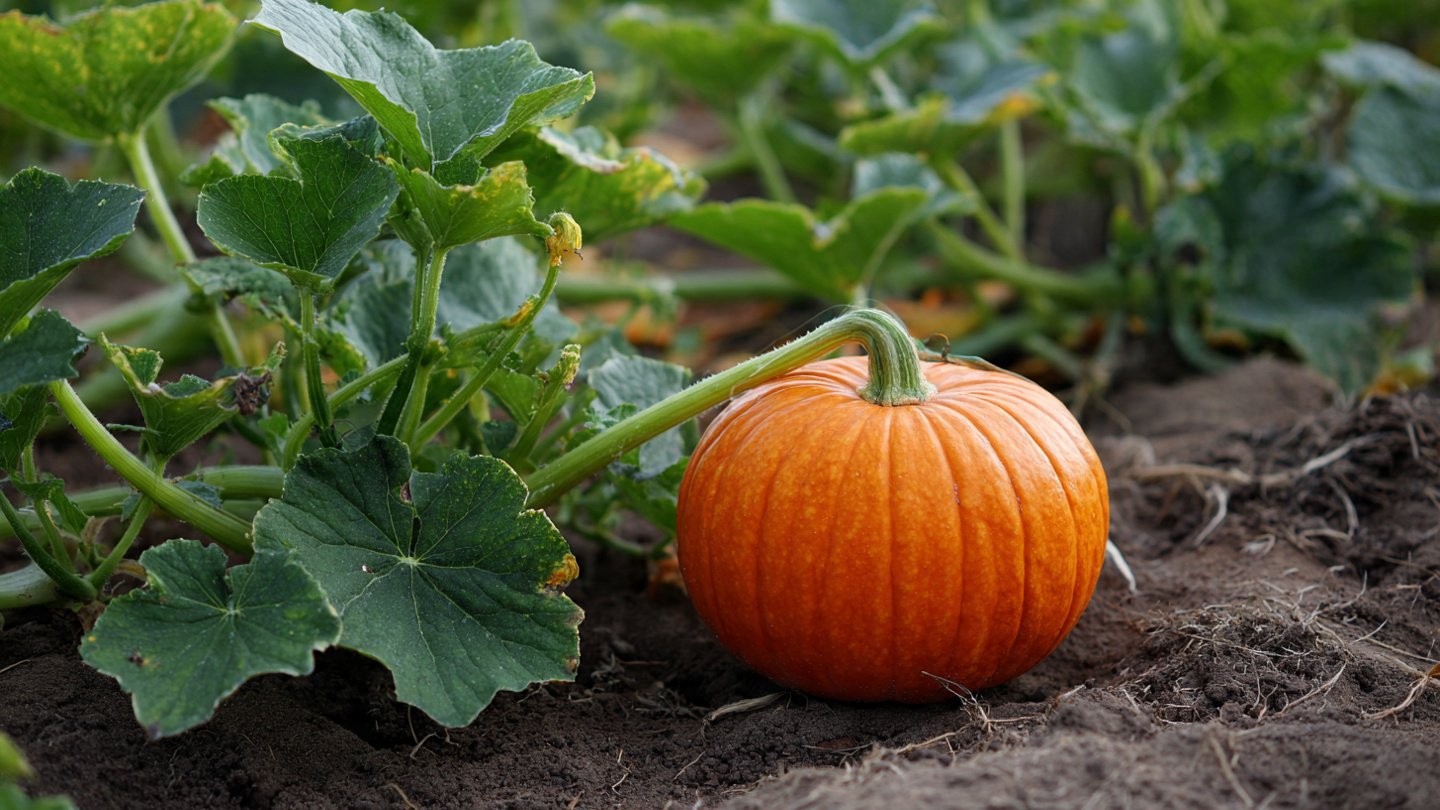
The fall season evokes images of colorful foliage, cozy sweaters, and the unmistakable aroma of pumpkin pie wafting through the air. As the holiday season approaches, many home cooks consider making their own pumpkin pies from scratch, using fresh pumpkins grown in their gardens. But the question remains: can you really grow your own pumpkin for delicious holiday pies? In this article, we’ll delve into the growing process, the benefits of homegrown pumpkins, and tips on how you can embark on this rewarding gardening journey.
Understanding Pumpkins: A Nutritional Powerhouse
Before we dive into the growing process, it’s worth noting why pumpkins are not just a festive decoration but also a nutritional powerhouse. Pumpkins are loaded with:
- Vitamin A: Essential for eye health and immune function.
- Fiber: Aiding digestion and promoting a feeling of fullness.
- Antioxidants: Protecting your body from free radicals and chronic diseases.
This makes pumpkin not only delicious but also a healthy option for your holiday pies, adding nutritional benefits to your festive meals.
Choosing the Right Pumpkin Variety
When it comes to growing pumpkins for pies, not all varieties are created equal. The best types for baking include:
- Liberty: Known for its sweet, dense flesh, excellent for pies.
- Sugar Pie: A classic choice for pies due to its rich flavor.
- Early Sweet Sugar: Fast-growing and perfect for regions with shorter growing seasons.
Selecting the right variety is crucial for achieving that rich, pie-worthy taste. Look for seeds specifically labeled for pie-making to ensure the best outcome.
Planning Your Vegetable Garden
One of the first steps in growing your own pumpkins is planning your garden space. Here’s what you need to consider:
Choosing a Location
Pumpkins thrive in full sunlight, so select a spot in your garden that receives at least 6-8 hours of direct sunlight each day. Ensure the area is well-drained to prevent waterlogging, which can harm pumpkin plants.
Preparing the Soil
Rich, fertile soil is essential for healthy pumpkin growth. Consider testing your soil’s pH; pumpkins prefer slightly acidic to neutral soil conditions (pH level of around 6.0 to 7.0). You can improve your soil by:
- Adding organic matter like compost or manure.
- Tilling the soil to a depth of 12 inches.
Planting Your Pumpkin Seeds
The best time to plant pumpkin seeds is in late spring, after the last frost date. Following these steps will help you plant effectively:
- Space seeds about 2-3 feet apart to allow for expansive growth.
- Plant seeds 1-2 inches deep in well-prepared soil.
- Water them well after planting.
Consider using raised beds or mounds, as this improves drainage and makes it easier for the vines to spread out.
Caring for Your Pumpkin Plants
Once your pumpkin seeds have sprouted, ongoing care will ensure your plants thrive. Consider the following:
Watering
Pumpkins require adequate moisture, especially during the fruit-setting phase. Water your plants thoroughly once a week, adjusting based on rainfall. A deep watering will encourage roots to grow deeper, improving drought resistance.
Fertilizing
Using a balanced fertilizer will promote healthy growth. Look for a formula high in phosphorus and potassium, as these nutrients are essential for fruit development. Apply fertilizer every four to six weeks during the growing season.
Pest and Disease Management
Pumpkins can attract pests such as aphids and squash bugs. Regularly inspect your plants and consider using organic pest control methods, such as insecticidal soap or neem oil. Practicing crop rotation can also reduce disease susceptibility.
Harvesting Your Pumpkins
After months of care, it’s time to enjoy the fruits of your labor! Pumpkins are typically ready to harvest in late summer to early fall, when:
- The skin is hard and cannot be punctured with your fingernail.
- The stem has turned brown and dried out.
Use a sharp knife or garden shears to cut the pumpkin from the vine, leaving a few inches of stem attached to help prolong shelf life.
Making Delicious Holiday Pies
Now that you’ve grown and harvested your pumpkin, it’s time to turn it into a delicious pie. Here’s a simple recipe to get you started:
Homemade Pumpkin Pie Recipe
Ingredients:
- 2 cups fresh pumpkin puree (roasted and pureed).
- 1 cup heavy cream.
- 3/4 cup brown sugar.
- 2 large eggs.
- 1 teaspoon vanilla extract.
- 1 teaspoon pumpkin spice (or a mix of cinnamon, nutmeg, and ginger).
- 1 pie crust (store-bought or homemade).
Instructions:
- Preheat your oven to 425°F (220°C).
- In a large bowl, mix the pumpkin puree, cream, brown sugar, eggs, vanilla, and pumpkin spice.
- Pour the mixture into the pie crust.
- Bake for 15 minutes, then lower the temperature to 350°F (175°C) and bake for an additional 40-45 minutes, or until the filling is set.
- Let cool before serving.
Conclusion
Growing your own pumpkins for holiday pies is both a rewarding and enjoyable experience. Not only does it provide a sense of accomplishment, but it also delivers fresh, flavorful pumpkins that enhance the quality of your baked goods. By choosing the right variety, preparing your garden properly, and committing to their care, you can successfully cultivate pumpkins that will add a personal touch to your holiday celebrations. With the ease of turning your homegrown produce into a delicious pie, you’ll surely impress friends and family at gatherings.
FAQs
1. How long does it take to grow pumpkins?
Generally, pumpkins take about 75 to 120 days to grow, depending on the variety. They’re typically ready for harvest in late summer or fall.
2. Can I grow pumpkins in containers?
Yes, small pumpkin varieties can be grown in containers, provided they have at least 10 gallons of soil and plenty of sunlight. However, traditional pumpkin types require more space for sprawling vines.
3. What pests should I watch out for?
Common pests include aphids, squash bugs, and cucumber beetles. Regular inspections and prompt action can help manage these pests effectively.
4. Is it worth growing pumpkins for pie?
Absolutely! Homegrown pumpkins often taste better than store-bought versions, and the experience of growing them adds joy to the baking process.
5. Can I use any pumpkin for pie?
Not all pumpkins are suitable for pies. Sugar pumpkins or pie pumpkins are ideal due to their sweet flavor and smooth texture compared to larger ornamental pumpkins.