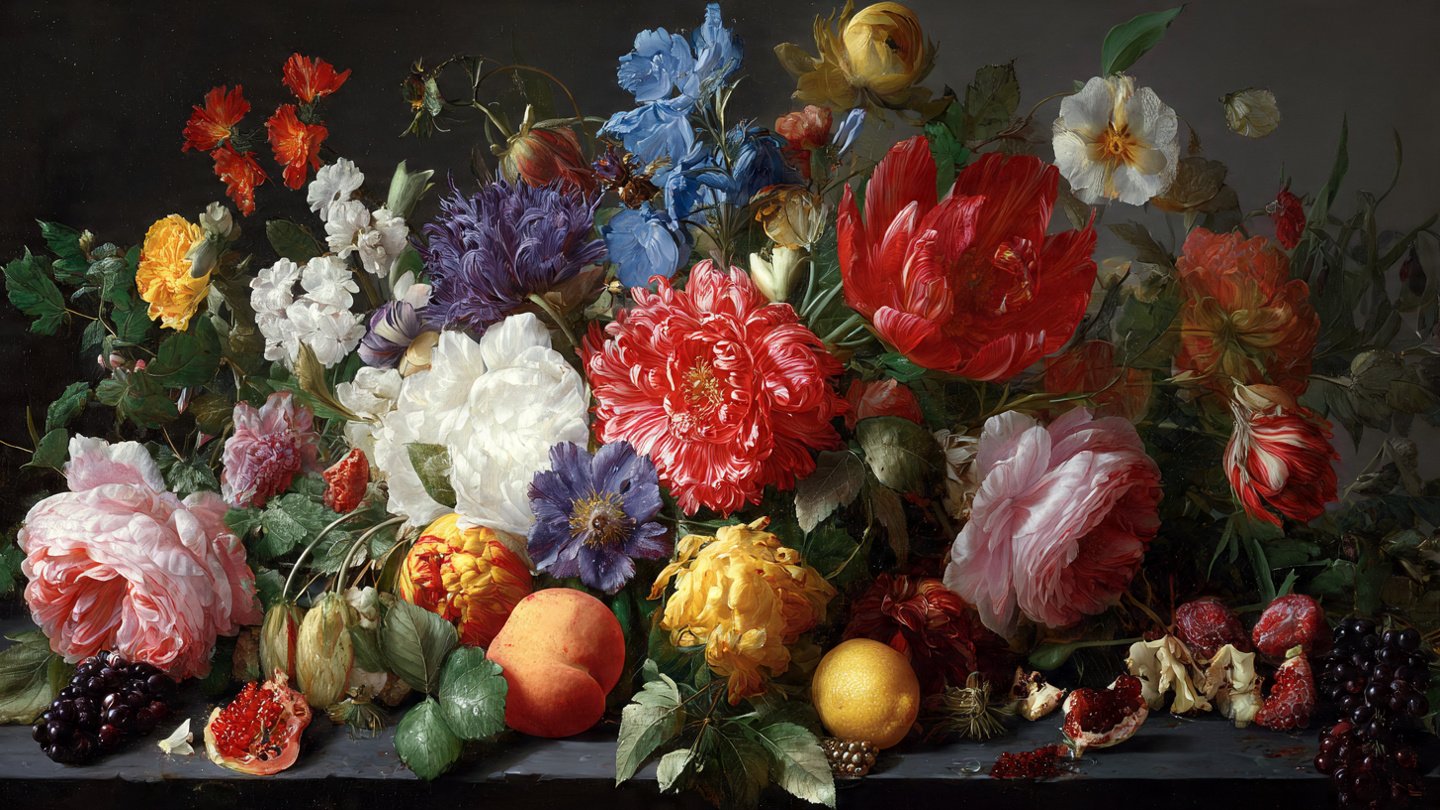
The beauty of flowers has transcended time and culture, often finding a home in the realm of art. In many famous paintings, flowers serve as more than mere decoration; they embody deeper meanings, emotions, and histories. This article will explore various well-known artworks, unveiling the symbolic language of flowers and their significance in the stories they tell.
The Language of Flowers: A Historical Context
Throughout history, flowers have been used to convey messages that words alone often failed to express. This practice dates back to ancient civilizations, where flowers were associated with various meanings based on their types and colors. The Victorian era famously popularized the “language of flowers,” a secret code among lovers and friends. Each flower bore a specific meaning, often used in bouquets to convey sentiments of love, jealousy, friendship, or mourning.
Famous Paintings and Their Floral Symbols
1. “Allegory of Spring” by Sandro Botticelli
In this Renaissance masterpiece, Botticelli depicts an ethereal garden filled with flowers, each representing different aspects of spring and rebirth. The blooming roses symbolize love and beauty, while the orange blossoms reflect fertility and purity. Together, these elements create a harmonious narrative about the arrival of spring and its inherent optimism.
2. “Still Life with Flowers” by Vincent van Gogh

Van Gogh’s still life paintings often highlight the emotional connection he felt to flowers. In “Still Life with Flowers,” he uses vibrant colors and dynamic brushstrokes to evoke passion and energy. The sunflowers in particular symbolize adoration and loyalty, often interpreted as a tribute to a loved one. The layers of paint add depth, giving life to the flowers and making them a focal point of his work.
3. “The Garden of Earthly Delights” by Hieronymus Bosch
Bosch’s triptych is filled with intricate details, including various flowers that symbolize both paradise and temptation. The red and white lilies signify purity and fruitfulness, while other flowers throughout the panels evoke pleasure and sin. The juxtaposition of these floral symbols serves to highlight the dichotomy between the pleasures of the flesh and spiritual salvation.
4. “The Bouquet” by Pierre-Auguste Renoir
In Renoir’s “The Bouquet,” flowers are a testament to the beauty of simplicity and the joys of everyday life. The pink roses symbolize grace and admiration, while the white flowers embody innocence and purity. This masterful portrayal invites viewers to appreciate the fleeting nature of beauty and life, encouraging a momentary pause in our often fast-paced existence.
5. “Water Lilies” by Claude Monet
Monet’s series of “Water Lilies” offers a different perspective on floral symbolism, focusing on serenity and tranquility. The water lilies themselves represent peace and reflection. The way the flowers float on the surface of the water creates a meditative quality that invites viewers to explore their inner thoughts and feelings. Monet’s approach emphasizes the connection between nature and the human experience.

Flowers as Emotional Narratives
In many cases, the use of flowers in art acts as a narrative device, layering emotional complexity onto the painting. For instance, in the works of Frida Kahlo, flowers serve as a powerful motif representing both beauty and pain. Kahlo often used floral imagery to explore themes of identity, loss, and femininity. In her self-portraits, flowers symbolize her connection to nature and her struggle with personal suffering.
Symbolism Across Cultures
The symbolism of flowers is not only confined to Western art. Many cultures have their own interpretations and meanings associated with flowers. For example, in Asian art, cherry blossoms (sakura) symbolize the transient nature of life, emphasizing beauty that comes with mortality. In Native American culture, flowers like the sunflower represent adoration and loyalty to family and community.
1. The Lotus
In Eastern philosophy and religious art, the lotus flower is a potent symbol of purity, spiritual awakening, and rebirth, especially in Buddhism and Hinduism. The lotus grows in muddy waters yet rises to bloom beautifully on the surface, symbolizing the journey from suffering to enlightenment.
2. The Chrysanthemum
In Japan, chrysanthemums symbolize happiness and longevity, often associated with the imperial family. Japanese art frequently incorporates these flowers as a representation of life and prosperity. The celebration of the chrysanthemum festival illustrates the cultural significance tied to this flower.

The Role of Flowers in Contemporary Art
Modern artists continue to explore floral symbolism in innovative ways. Artists like Georgia O’Keeffe focused on magnifying flowers to heighten their beauty and complexity. Her close-up paintings challenge viewers to reconsider their perceptions of nature and femininity, emphasizing the connection between the two.
1. Flowers as Political Statements
Contemporary artists sometimes use flowers as symbols of resistance or hope. For example, the poppy flower has become a symbol of peace and remembrance, particularly in artworks addressing conflict and war. Similarly, floral motifs can symbolize protest against social injustices, embodying the idea of peaceable revolution.
Conclusion
The symbolic meanings of flowers in famous paintings reveal much about the emotions and narratives artists wish to convey. Through various floral representations, we traverse themes of love, loss, beauty, and resurgence. By unearthing these meanings, we can deepen our understanding of the art itself and the messages embedded within it. The enduring nature of flowers in art serves as a reminder that beauty, despite its ephemeral quality, can leave a lasting impact on our memories and feelings.
FAQs

1. Why are flowers significant in paintings?
Flowers often symbolize deeper feelings, emotions, and narratives, enriching the overall meaning of the artwork.
2. What does a particular flower symbolize?
The meaning of flowers varies by culture and context; for example, roses generally symbolize love, while lilies can represent purity.
3. How did the language of flowers evolve?
The language of flowers originated in ancient times but gained widespread popularity during the Victorian era, where specific flowers conveyed distinct messages.
4. Are there modern artists who use floral symbolism?
Yes, contemporary artists like Georgia O’Keeffe and others often employ floral motifs to explore themes of identity, beauty, and even social issues.

5. Can flowers have different meanings in different cultures?
Absolutely! Flowers can embody vastly different meanings depending on cultural context, which adds layers of interpretation to art that incorporates them.