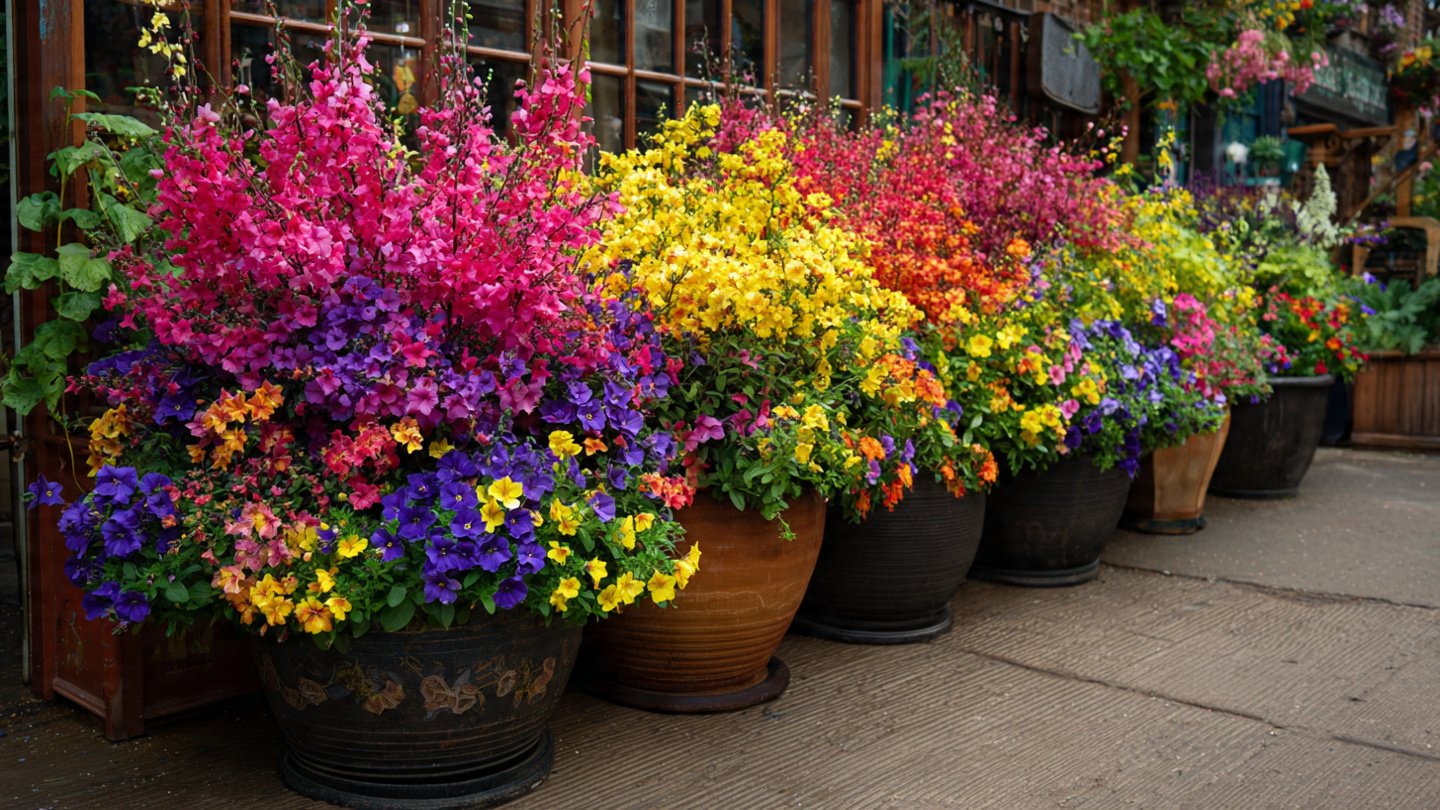
When it comes to gardening, many enthusiasts focus on soil quality, sunlight, and water. However, one of the most crucial yet often overlooked elements in the pursuit of vibrant flower displays is the garden pot. Choosing the right container can significantly influence the health and aesthetics of your plants. This article delves into the importance of garden pots and how they can be the secret ingredient to achieving flourishing flower displays.
The Role of Garden Pots in Plant Growth
Garden pots serve multiple functions that extend far beyond mere aesthetics. Here’s how they contribute to vibrant plant growth:
- Root Development: Properly sized pots allow roots to spread without becoming root-bound, ensuring they receive adequate nutrients and water.
- Drainage: Good pots are designed with drainage holes, preventing waterlogging and promoting healthy root systems.
- Soil and Nutrient Management: The type of pot can influence how soil retains moisture and nutrients, allowing gardeners to tailor their approach for specific flowers.
- Temperature Regulation: Pots can help moderate soil temperature, which is crucial for plant health and flower production.
Choosing the Right Material
Garden pots come in various materials, and each has its pros and cons. Here’s a look at the most common options:

1. Terracotta Pots
Terracotta is a classic choice for many gardeners. Its porous nature allows for excellent airflow to the roots, helping prevent rot. However, it can dry out quickly, so frequent watering may be necessary.
2. Plastic Pots
Lightweight and affordable, plastic pots retain moisture well but can lack the breathability that terracotta offers. They are ideal for beginners who want low-maintenance options.
3. Ceramic Pots
These are often beautifully decorated and can act as stunning focal points in any garden. However, they tend to be heavy and can crack if not handled properly.
4. Metal Pots
Metal pots can add a modern touch to your garden. They are durable but can get very hot in the sun, which might stress the roots during extreme heat.
Size Matters: Choosing the Right Size
Choosing the appropriate size pot is equally important. Here are some considerations to keep in mind:

- Plant Size: A small flower might thrive in a small pot, while larger varieties require more space for their roots.
- Type of Flower: Annuals often do well in smaller pots, while perennials might need larger ones.
- Growth Stage: If starting from seedlings, begin with smaller pots and repot as they grow.
Color and Aesthetic Considerations
A garden pot isn’t just functional; it also enhances the overall aesthetic of your garden. The color, shape, and design of the pot can beautifully complement your flowers:
- Color: Brightly colored pots can provide a striking contrast to the green foliage and vibrant blooms.
- Shape: Unconventional shapes can add uniqueness, while traditional shapes can create a formal ambiance.
- Arrangement: Grouping pots of varying sizes and colors can create layered flower displays that are visually appealing.
Maintenance Tips for Flourishing Flower Displays
Maintaining vibrant flower displays in pots requires diligence and care. Here are some tips to ensure your flowers thrive:

- Regular Watering: Monitor soil moisture, especially in terracotta pots, which can dry out quickly.
- Fertilizing: Use a balanced fertilizer to provide essential nutrients, especially during the growing season.
- Deadheading: Remove spent flowers to encourage new blooms and keep the plants looking fresh.
- Seasonal Care: Change the potting mix and revise your plant choices based on the season.
The Impact of Arranging Pots in the Garden
The arrangement of your pots can significantly impact the perception of your garden space. Here are some strategies:
- Elevation: Place taller pots at the back or center to create a focal point.
- Grouping: Cluster pots together to create a more cohesive look, which can enhance visual interest.
- Pathways: Arrange pots along walkways or borders to draw the eye and guide visitors through your garden.
Combining Pots with Different Flowers

Another creative approach to maximizing the beauty of your flower displays is to combine different flowers within a single pot or to group pots with complementary blooms.
- Color Harmony: Choose colors that complement each other for a visually cohesive display.
- Varied Heights: Mix flowers of different heights for added dimension and interest.
- Seasonal Blooms: Pair plants that bloom at different times for continuous color throughout the year.
Conclusion
Is a garden pot the secret to vibrant flower displays? Absolutely! While other factors like light and soil play vital roles, the importance of selecting the right pot cannot be understated. From facilitating root growth to enhancing aesthetics, garden pots can make all the difference. By considering materials, sizes, and arrangements, you can create stunning displays that will add a splash of color to any outdoor space. So, the next time you plan your flowerbed, remember: the pot you choose can be the secret ingredient to a thriving garden.
FAQs
1. What type of pot is best for indoor flowers?
Choose pots with good drainage, such as terracotta or ceramic, which also offer breathability to prevent root rot.
2. How often should I water my potted flowers?

Watering needs can vary; however, a good rule of thumb is to check the top inch of soil. If it feels dry, it’s time to water.
3. Can I use regular garden soil in pots?
It’s better to use a potting mix designed for container gardening, as it typically offers better drainage and aeration than regular garden soil.
4. How can I protect my pots during winter?
Consider moving pots indoors or to a sheltered area. If left outside, ensure they are elevated off the ground to prevent cracking from freeze-thaw cycles.
5. Are plastic pots eco-friendly?
While plastic pots are recyclable, consider using biodegradable pots or opting for materials like terracotta or wood for a more sustainable choice.