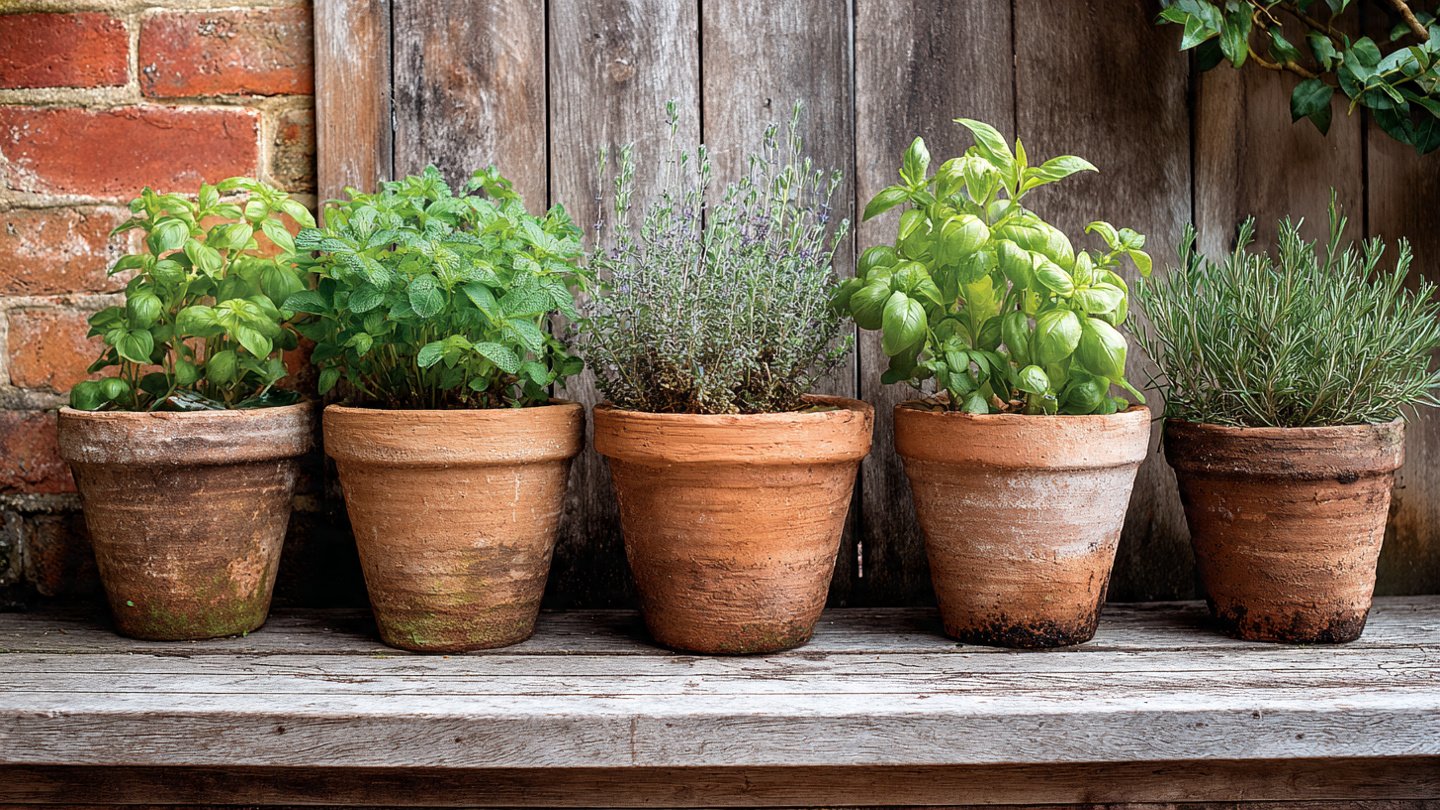
The world of gardening has seen a resurgence in popularity over the past few years, particularly among urban dwellers and those seeking self-sufficiency. One of the most significant trends in this movement is the increasing use of terracotta pots for growing herbs. While the benefits of using terracotta pots may seem subtle at first glance, a closer examination reveals that they offer a range of advantages that make them the preferred choice for herb cultivation. This article will explore why terracotta pots are becoming the go-to option for growing herbs, examining their aesthetics, functionality, environmental benefits, and suitability for urban gardening.
Historical Context of Terracotta Pots
Terracotta, a clay-based ceramic, has been used for centuries for various purposes, from pottery to roofing. Its history can be traced back to ancient civilizations, including the Greeks and Romans, who recognized the material’s durability and aesthetic appeal. In the realm of gardening, terracotta pots have traditionally been favored for their breathability and natural properties that promote healthy plant growth.
Despite the introduction of plastic and metal alternatives in the latter half of the 20th century, terracotta has seen a revival in recent years, particularly among herb gardeners who appreciate its unique characteristics.
Aesthetics and Design
One of the first reasons for the growing popularity of terracotta pots is their aesthetic appeal. The warm, earthy tones of terracotta blend seamlessly into most outdoor and indoor settings. Whether placed on a sunny windowsill or a balcony, these pots add a rustic charm that is hard to replicate. This visual appeal makes them especially attractive for individuals looking to enhance their home decor while cultivating herbs.

Moreover, gardening is often associated with relaxation and mindfulness. The tactile nature of terracotta—its textural surface and natural feel—can enhance the gardening experience. This aesthetic enjoyment contributes to the overall therapeutic benefits of gardening, making the act of caring for herbs even more rewarding.
Breathability and Moisture Regulation
One of the standout features of terracotta pots is their breathability. Unlike plastic pots, which can trap heat and moisture, terracotta is porous, allowing for air circulation and moisture regulation. This quality is particularly beneficial for herbs, which generally prefer well-drained soil.
When growing herbs, overwatering is one of the most common mistakes gardeners make. Terracotta pots aid in preventing this issue. The porous nature of the material absorbs excess moisture from the soil, reducing the risk of root rot and fostering healthier root systems. This moisture regulation allows herbs to thrive, as their roots can access the necessary water without becoming waterlogged.
Temperature Regulation
In addition to moisture control, terracotta pots assist with temperature regulation. The clay material can help stabilize soil temperature, keeping roots cooler during hot summer months and warmer in colder weather. This regulation is crucial for herbs, many of which are sensitive to extreme fluctuations in temperature. By maintaining a more consistent temperature, terracotta pots help create an optimal growing environment for herbs, particularly those that may be more vulnerable to temperature changes.

Eco-Friendly Choice
As awareness of environmental issues grows, many gardeners are looking for eco-friendly options. Terracotta pots stand out for their sustainability. Made from natural clay, they have a lower environmental impact compared to their plastic counterparts which contribute to pollution and landfill waste. Additionally, terracotta pots are often biodegradable, meaning they can break down naturally over time.
Using terracotta pots also encourages sustainable gardening practices. Their durability means they can last for many years, reducing the need for frequent replacements. This quality not only saves money in the long term but also minimizes resource consumption associated with producing new pots.
Versatility in Design and Size
Terracotta pots come in a wide range of sizes and designs, making them versatile for various gardening situations. Whether you have a small apartment balcony or a spacious backyard, you can easily find terracotta pots that suit your space. Their lightweight nature also makes them easy to move, allowing gardeners to reposition their herbs as needed to optimize sunlight exposure.
Additionally, terracotta can be molded into various shapes and sizes, offering creative opportunities for gardeners. From traditional round pots to modern geometric designs, there’s a terracotta option for every taste, which makes herb cultivation even more enjoyable.

Encouraging Healthy Root Development
Root health is critical for any plant, and terracotta pots foster an environment conducive to strong root development. The porous nature of terracotta allows roots to breathe, enabling them to access both air and water effectively. In plastic pots, roots can sometimes become constricted due to a lack of aeration, leading to stunted growth and poor health.
Terracotta also helps prevent the phenomenon known as “root circling,” where roots grow in tight circles due to the confines of their pot. This issue can lead to poor nutrient uptake and weak plants. With terracotta, roots are encouraged to spread out, leading to more robust and nutrient-rich growth.
Aiding in Pest Management
Herbs are generally prone to various pests that can inhibit their growth. While terracotta pots themselves do not prevent pests, their weight and stability can make it more difficult for some crawling insects to access the plants. Additionally, the natural flavor profiles of many herbs can deter pests, and terracotta’s contribution to healthy plant growth can further enhance this natural repellent effect.
Furthermore, many gardeners find that herbs grown in terracotta pots are less susceptible to diseases, as the improved moisture regulation helps maintain healthier plants. By fostering a robust growing environment, terracotta pots can indirectly assist in keeping pests at bay.

Ideal for Hydroponics and Terrarium Gardening
Looking to the future of gardening, terracotta pots can also be well-suited for hydroponics and terrarium setups. Although traditionally used for soil gardening, their breathability can enhance hydroponic systems when combined with appropriate substrates. The ability to maintain a stable environment can be particularly advantageous.
Creating a terrarium with terracotta pots allows gardeners to create mini-ecosystems that showcase herbs and other plants beautifully. This combination of style and functionality makes terracotta the perfect choice for modern indoor gardening enthusiasts.
Urban Gardening and Space Considerations
As more people flock to urban environments, the need for innovative gardening solutions has become apparent. Terracotta pots are particularly suited for urban gardening due to their space-efficient design and adaptability. They can be used on balconies, patios, or even smaller indoor areas where sunlight may be limited.
Additionally, the ability to combine terracotta pots in staggered arrangements or hanging systems allows urban gardeners to maximize limited space. This aspect is particularly appealing as urban dwellers seek to cultivate their own herbs and vegetables amid the bustle of city life.

Conclusion: The Optimistic Future of Herb Gardening
As the world becomes increasingly aware of the importance of sustainable living and self-sufficiency, the trend toward using terracotta pots for herb gardening is likely to continue growing. The combination of their aesthetic appeal, practical benefits, and eco-friendly nature makes them a compelling choice for both novice and experienced gardeners.
In essence, terracotta pots offer more than just a container for plants; they provide an essential environment for healthy growth, promote sustainable practices, and enhance the overall gardening experience. In a world where mindless consumerism is often at the forefront, terracotta pots symbolize a return to more natural, wholesome practices of cultivation. They are not just pots; they are a pathway to a more rewarding and sustainable way of living for aspiring herb gardeners everywhere.
As you venture into the world of herb gardening, consider making terracotta pots your go-to choice. Whether you’re growing basil, thyme, cilantro, or mint, these pots will provide your herbs with the nurturing environment they need to thrive. Start your herb garden today and experience the joy of cultivating fresh, aromatic herbs in your own home.